

How Does an Oil Immersed Transformer Work?
2026-05-14
Abstract
Oil immersed transformers are a vital component in modern electrical power systems. They play a critical role in ensuring efficient energy distribution while providing enhanced cooling and insulation properties. This article explains the functionality, benefits, maintenance tips, and common concerns related to oil immersed transformers, offering practical solutions for industrial and commercial users. With insights from Jinhand, a leading transformer manufacturer, this guide helps clients make informed decisions about purchasing and maintaining oil immersed transformers.
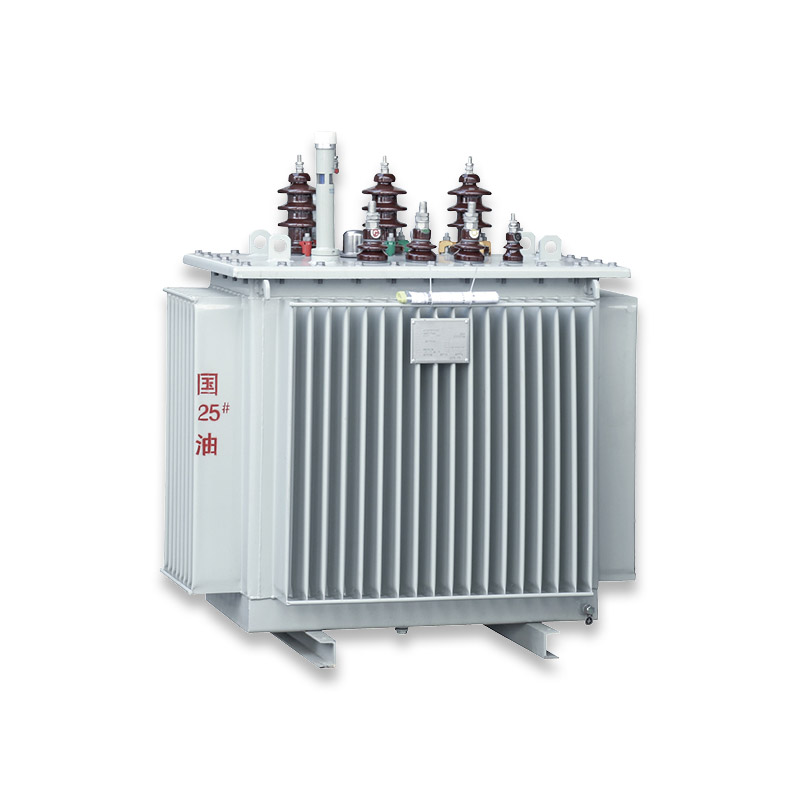
Table of Contents
- What is an Oil Immersed Transformer?
- How Does an Oil Immersed Transformer Work?
- Why Choose an Oil Immersed Transformer?
- Types of Oil Immersed Transformers
- Maintenance and Safety Tips
- Common Issues and Troubleshooting
- FAQ
- Contact Jinhand
What is an Oil Immersed Transformer?
An oil immersed transformer is a type of electrical transformer in which the core and windings are submerged in insulating oil. The oil serves two primary functions: cooling and insulation. Unlike dry-type transformers, oil immersed units can handle higher power ratings and are more efficient in heat dissipation, making them suitable for heavy-duty industrial applications.
- Insulation: The oil prevents electrical faults by insulating the transformer windings.
- Cooling: The oil absorbs heat generated during operation and distributes it evenly to avoid hot spots.
How Does an Oil Immersed Transformer Work?
The operation of an oil immersed transformer is based on electromagnetic induction. When an alternating current (AC) flows through the primary winding, it generates a magnetic field around the transformer core. This magnetic field induces a voltage in the secondary winding, which can be stepped up or stepped down according to the application.
Step-by-Step Functioning:
- AC voltage is supplied to the primary winding.
- The magnetic flux is established in the core and transferred to the secondary winding.
- The secondary winding induces the required voltage output.
- The transformer oil circulates naturally or through forced circulation to maintain optimal temperature.
Cooling Mechanisms:
| Cooling Type | Description | Typical Applications |
|---|---|---|
| ONAN (Oil Natural Air Natural) | Natural circulation of oil and air cooling without external pumps or fans. | Small to medium transformers |
| ONAF (Oil Natural Air Forced) | Natural oil circulation with fans to enhance heat dissipation. | Medium to large transformers |
| OFWF (Oil Forced Water Forced) | Oil circulation assisted by pumps and cooled via water heat exchangers. | High-power transformers in industrial plants |
Why Choose an Oil Immersed Transformer?
Oil immersed transformers offer several advantages compared to dry-type transformers, making them a preferred choice in industries where reliability, durability, and performance are critical.
- High Efficiency: Minimal energy loss due to superior cooling and insulation properties.
- Long Service Life: Reduced thermal stress extends the operational lifespan of the transformer.
- Cost-Effective: Suitable for large capacity applications where energy efficiency translates into long-term savings.
- Enhanced Safety: Modern oil immersed transformers use high-quality mineral or synthetic oils with flame-retardant properties.
Types of Oil Immersed Transformers
Jinhand offers a wide range of oil immersed transformers to meet varying industrial needs. Understanding the types helps clients select the best solution for their applications.
- Power Transformers: Used in substations and heavy industries for high voltage transmission.
- Distribution Transformers: Step down voltage for local power distribution, commonly seen in urban and rural networks.
- Autotransformers: Provide variable voltage adjustments with a smaller footprint.
- Specialty Transformers: Custom-built for specific industrial processes such as steel manufacturing or chemical plants.
Maintenance and Safety Tips
Proper maintenance ensures optimal performance and longevity of oil immersed transformers. Jinhand provides these best practices:
- Regularly check oil levels and quality to detect contamination or degradation.
- Inspect bushings and insulation for cracks or wear.
- Monitor temperature with built-in sensors to prevent overheating.
- Ensure the cooling system (fans, pumps) is functioning correctly.
- Schedule professional inspections annually or according to operational load.
Common Issues and Troubleshooting
Despite their robust design, oil immersed transformers may face challenges. Here are common problems and solutions:
| Issue | Cause | Solution |
|---|---|---|
| Overheating | Excessive load, blocked airflow, or degraded oil | Reduce load, clean cooling system, replace or purify oil |
| Oil Leakage | Worn gaskets or damaged tank | Repair seals, inspect tank for corrosion, replace defective components |
| Noise | Loose laminations or mechanical vibrations | Tighten components, use vibration dampers |
| Reduced Efficiency | Insulation degradation or partial discharge | Perform insulation testing, schedule maintenance or repair |
FAQ
Q1: Can oil immersed transformers be used outdoors?
A: Yes, they are designed to handle outdoor environments when equipped with proper enclosures and weatherproofing.
Q2: How long does an oil immersed transformer last?
A: With proper maintenance, they can operate efficiently for 25-40 years depending on load and environmental conditions.
Q3: Is synthetic oil better than mineral oil?
A: Synthetic oil offers higher fire resistance and thermal stability but comes at a higher cost. Jinhand provides both options based on client needs.
Contact Jinhand
For high-quality oil immersed transformers and professional guidance, visit Jinhand or contact us today. Our team is ready to help you select the perfect transformer solution for your application.