

How Does Box-type Substation Work and Why Is It Essential for Modern Power Distribution?
2026-05-06
Abstract
A Box-type Substation, also known as a compact substation or prefabricated substation, is a highly integrated power distribution solution widely used in urban power grids, industrial facilities, renewable energy systems, and infrastructure projects. It combines high-voltage switchgear, distribution transformers, and low-voltage switchgear into a single enclosed unit, significantly reducing installation space while improving operational safety and efficiency.
This article explains how Box-type Substations work, their structure, advantages, real-world applications, and how they solve common pain points in modern power distribution systems.
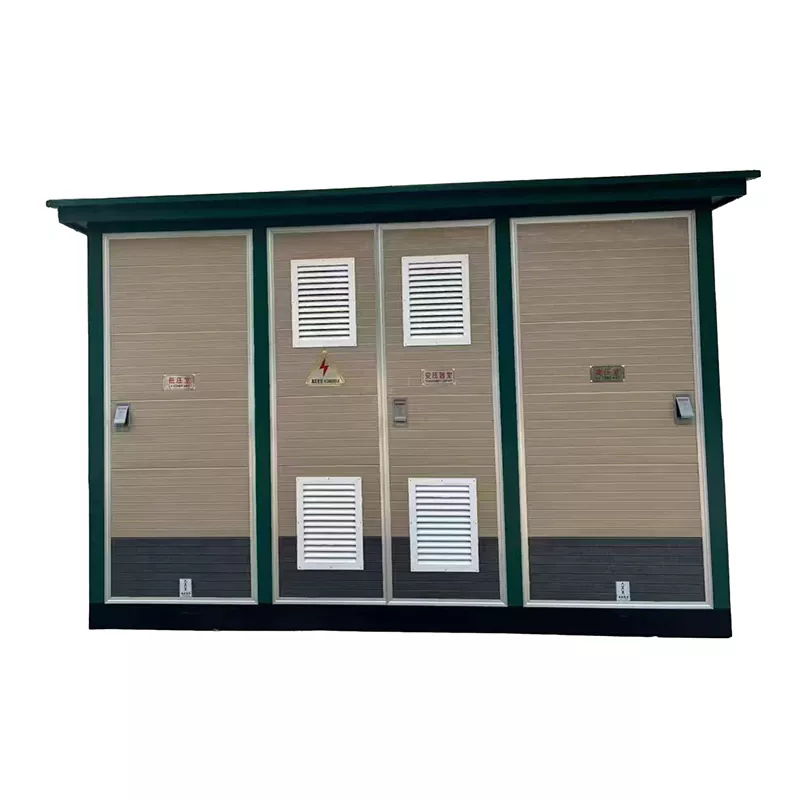
Table of Contents
- Outline
- Overview of Box-type Substation
- Key Components
- How It Works
- Advantages
- Common Pain Points & Solutions
- Application Scenarios
- Technical Parameters
- Installation & Maintenance
- Safety Considerations
- FAQ
- Conclusion
Outline
- Definition and structure of Box-type Substation
- Functional working principle
- Core electrical components
- Benefits over traditional substations
- Industry applications and use cases
- Technical specifications overview
- Installation and operational guidance
- Safety and compliance considerations
- Frequently asked questions
Overview of Box-type Substation
A Box-type Substation is a prefabricated electrical distribution unit designed for medium-voltage and low-voltage power transformation. It is typically enclosed in a steel or composite housing, providing protection against environmental factors such as rain, dust, corrosion, and temperature fluctuations.
Unlike conventional substations that require extensive civil engineering and installation time, Box-type Substations are factory-assembled and tested before delivery, making them a faster and more cost-efficient solution for modern electrical infrastructure.
Key Components
A typical Box-type Substation consists of the following integrated components:
- High-Voltage Switchgear: Controls incoming electrical power and provides protection.
- Distribution Transformer: Steps down voltage to usable levels.
- Low-Voltage Switchgear: Distributes electricity to end users safely.
- Enclosure Housing: Weatherproof and fire-resistant protective shell.
- Monitoring & Protection Systems: Includes sensors, relays, and automation controls.
How It Works
The working principle of a Box-type Substation is based on a simple yet efficient power transformation process. High-voltage electricity from the grid enters the substation through the high-voltage switchgear. The transformer then reduces the voltage to a lower, usable level. Finally, the low-voltage switchgear distributes the power to residential, commercial, or industrial loads.
The entire system is designed to ensure:
- Stable voltage conversion
- Fault isolation and protection
- Efficient load distribution
- Minimal energy loss during transmission
Advantages
Box-type Substations provide multiple operational and economic benefits:
- Compact Design: Requires significantly less installation space.
- Fast Deployment: Factory pre-assembled, reducing on-site construction time.
- High Safety: Fully enclosed structure minimizes electrical hazards.
- Weather Resistance: Suitable for outdoor installation in harsh environments.
- Low Maintenance: Integrated design reduces maintenance complexity.
Common Pain Points & Solutions
| Customer Pain Point | Box-type Substation Solution |
|---|---|
| Long construction cycles for traditional substations | Factory prefabrication enables rapid installation |
| High land and space requirements | Compact structure reduces footprint significantly |
| Safety risks in exposed electrical equipment | Fully enclosed and insulated design improves safety |
| High maintenance cost | Modular structure simplifies servicing and repair |
Application Scenarios
Box-type Substations are widely used across various industries due to their flexibility and reliability:
- Urban residential power distribution networks
- Industrial manufacturing plants
- Renewable energy systems such as solar and wind farms
- Commercial buildings and shopping complexes
- Infrastructure projects such as railways and highways
Technical Parameters
| Parameter | Typical Range |
|---|---|
| Rated Voltage | 10kV / 20kV / 35kV |
| Transformer Capacity | 100kVA – 2500kVA |
| Frequency | 50Hz / 60Hz |
| Protection Level | IP54 – IP65 |
| Cooling Method | Oil-immersed / Dry-type |
Installation & Maintenance Tips
Proper installation and maintenance are essential for ensuring long-term performance:
- Ensure stable and level foundation before installation
- Maintain adequate ventilation around the unit
- Regularly inspect insulation and grounding systems
- Monitor temperature and load conditions
- Schedule periodic professional inspections
Safety Considerations
Safety is a core design principle of Box-type Substations. Operators should follow strict operational protocols, including:
- Lockout/tagout procedures during maintenance
- Proper grounding of all equipment
- Use of certified protective equipment
- Regular fault detection system checks
FAQ
Q1: What is the main advantage of a Box-type Substation?
It offers compact design, fast installation, and improved safety compared to traditional substations.
Q2: Can it be used outdoors?
Yes, it is designed with weatherproof enclosures suitable for outdoor environments.
Q3: How long does installation take?
Typically, installation can be completed within a few days depending on site conditions.
Q4: Is it suitable for renewable energy projects?
Yes, it is widely used in solar and wind power distribution systems.
Conclusion
Box-type Substations represent a modern evolution in power distribution technology, offering a reliable, efficient, and space-saving solution for various electrical infrastructure needs. Their modular design and factory-tested reliability significantly reduce installation risks and operational costs.
As a professional manufacturer in the power equipment industry, Wenzhou Junray Electrical Co., Ltd. provides high-quality Box-type Substation solutions designed to meet diverse engineering requirements.
If you are looking for reliable power distribution solutions tailored to your project needs, feel free to contact us for expert support, technical consultation, and customized system solutions.