

How Does Distribution Equipment Improve Electrical Reliability?
2026-06-01
Abstract: Distribution equipment forms the backbone of modern electrical networks, ensuring that power reaches homes, businesses, and industries safely and efficiently. This article explores the types, applications, and maintenance of distribution equipment while addressing common challenges faced by facility managers and engineers. By understanding the operational principles and benefits of high-quality distribution systems, organizations can minimize downtime, enhance safety, and optimize energy usage.
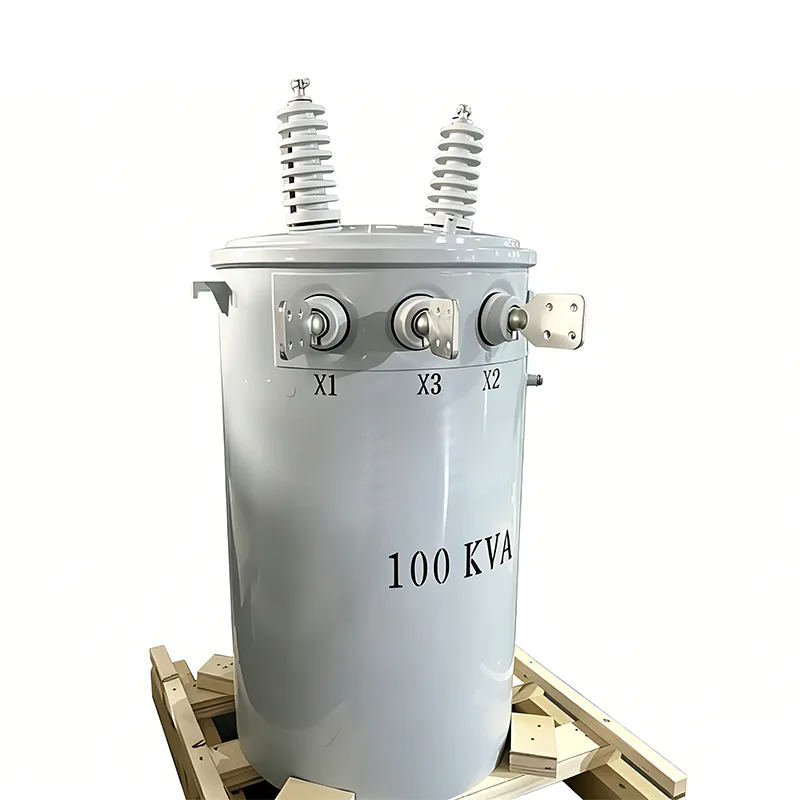
Table of Contents
- What Is Distribution Equipment?
- Types of Distribution Equipment
- Key Benefits of Modern Distribution Equipment
- Maintenance Tips and Best Practices
- Common Challenges and Solutions
- FAQ
- Conclusion & Contact Information
What Is Distribution Equipment?
Distribution equipment refers to all the devices, tools, and systems used to transfer electrical power from substations to end-users. These include circuit breakers, transformers, switchgear, fuses, and distribution panels. Its primary function is to manage power flow, protect circuits, and ensure safety for both personnel and equipment.
Key Components:
- Switchgear: Controls and protects electrical circuits.
- Transformers: Adjust voltage levels to meet the needs of different areas.
- Distribution Panels: Organize circuits and provide overload protection.
- Fuses and Breakers: Prevent damage from overcurrent or short circuits.
Types of Distribution Equipment
Distribution equipment can be categorized based on function, voltage level, and installation environment.
| Equipment Type | Function | Typical Application |
|---|---|---|
| Low Voltage Switchgear | Protects circuits and manages low-voltage distribution | Commercial buildings, small factories |
| Medium Voltage Transformers | Step-down or step-up voltage for distribution networks | Industrial plants, residential areas |
| Circuit Breakers | Interrupts power during overload or faults | All electrical networks |
| Distribution Panels | Distributes power to multiple circuits safely | Office buildings, data centers |
Key Benefits of Modern Distribution Equipment
Modern distribution equipment provides several advantages for organizations looking to improve reliability, safety, and efficiency.
- Enhanced Safety: Advanced breakers and protection devices prevent electrical hazards.
- Operational Efficiency: Smart panels allow real-time monitoring and load management.
- Reduced Downtime: Faster fault detection and isolation minimize power interruptions.
- Scalability: Modular equipment can adapt to increasing energy demands.
Maintenance Tips and Best Practices
Proper maintenance extends the lifespan of distribution equipment and reduces unexpected failures.
Routine Checks:
- Inspect insulation for wear and tear.
- Test circuit breakers and protective relays.
- Verify connections and grounding integrity.
- Clean dust and moisture from panels.
Preventive Measures:
- Schedule periodic thermal imaging inspections.
- Replace aging components proactively.
- Maintain detailed maintenance logs.
- Ensure compliance with local electrical codes.
Common Challenges and Solutions
Organizations often face specific challenges when using distribution equipment:
- Overloading Circuits: Solution: Install higher-capacity breakers or upgrade panels.
- Environmental Stress: Solution: Use weatherproof enclosures and corrosion-resistant materials.
- Equipment Aging: Solution: Implement replacement cycles based on operational hours.
- Complex Monitoring: Solution: Integrate smart monitoring systems for real-time alerts.
FAQ
Q1: How often should distribution equipment be inspected?
A1: Inspections should occur at least annually, with critical components like transformers and breakers checked more frequently.
Q2: Can distribution equipment be upgraded without a complete system overhaul?
A2: Yes, modular systems and plug-and-play components allow upgrades with minimal downtime.
Q3: What is the difference between low and medium voltage equipment?
A3: Low voltage equipment is typically under 1kV and is used in commercial/residential applications, while medium voltage ranges from 1kV to 35kV and serves industrial or distribution networks.
Q4: How does smart distribution equipment improve efficiency?
A4: Smart systems monitor load, detect faults early, and optimize energy distribution, reducing energy waste and preventing unplanned outages.
Conclusion & Contact Information
Reliable distribution equipment is essential for a safe, efficient, and scalable electrical network. By understanding types, maintenance strategies, and modern benefits, organizations can reduce risks and improve operational performance. For high-quality distribution solutions, Huixing offers a wide range of advanced products and technical support.
Explore more and contact us today to enhance your electrical distribution system.