Abstract
Ingersoll Rand air compressors are widely used across manufacturing, construction, energy, and industrial automation sectors due to their reliability, efficiency, and robust engineering. This article explains how these systems operate, what problems they solve for industrial users, and how to select, maintain, and optimize them for long-term performance. It also highlights practical considerations for reducing operational costs and improving system reliability, with insights from DECHUAN’s engineering and supply expertise in compressor solutions.
1. Overview of Ingersoll Rand Air Compressor Systems
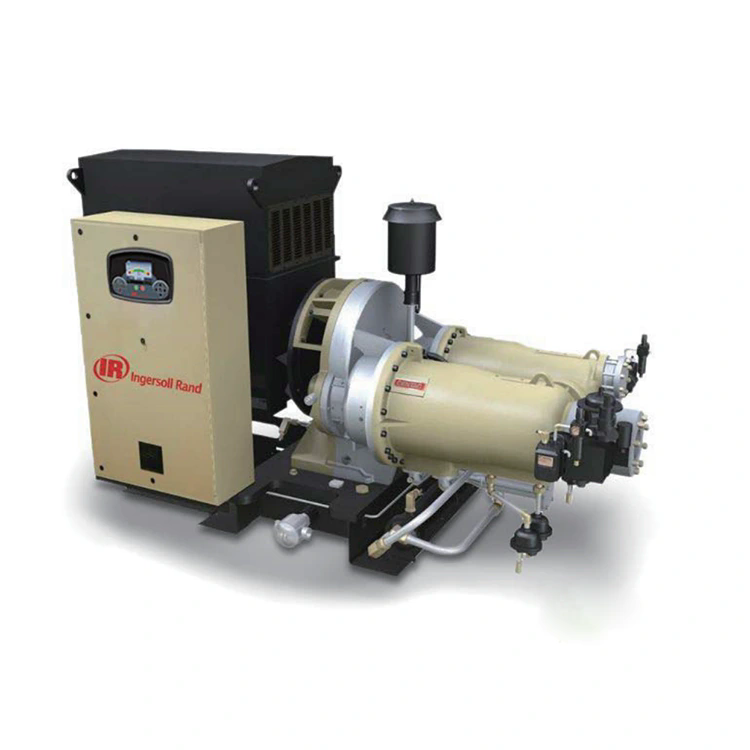
An Ingersoll Rand air compressor is an engineered system designed to convert mechanical energy into compressed air energy. This compressed air is then used to power pneumatic tools, automation systems, production lines, and heavy-duty industrial machinery. The system is known for its durability, high efficiency, and adaptability across diverse industrial environments.
Industries rely on compressed air because it is clean, safe, and highly controllable compared to hydraulic or electrical alternatives in certain applications.
2. Key Industrial Pain Points
-
High energy consumption: Air compression often accounts for 10–30% of industrial electricity usage.
-
Unstable pressure output: Leads to inconsistent production quality.
-
Maintenance downtime: Unexpected failures interrupt workflows.
-
Air leakage: Causes efficiency losses and increased operating costs.
-
Heat management issues: Overheating reduces equipment lifespan.
Modern compressor systems such as those from Ingersoll Rand are designed to address these operational challenges through advanced control systems and optimized mechanical design.
3. How the Air Compressor Works
The working principle of an Ingersoll Rand air compressor is based on air intake, compression, cooling, and storage.
-
Air Intake: Atmospheric air is drawn into the compressor through an intake valve.
-
Compression Stage: Air is compressed using either a piston, rotary screw, or centrifugal mechanism.
-
Cooling Phase: Heat generated during compression is removed using air or water cooling systems.
-
Storage: Compressed air is stored in a receiver tank for regulated distribution.
-
Distribution: Air is delivered through pipelines to industrial tools and systems.
This process ensures a continuous supply of pressurized air with stable performance under industrial workloads.
4. Types of Ingersoll Rand Compressors
-
Reciprocating (Piston) Compressors: Best for intermittent use and small-scale operations.
-
Rotary Screw Compressors: Ideal for continuous industrial operations with high efficiency.
-
Centrifugal Compressors: Suitable for large-scale manufacturing and energy sectors.
Each type serves different operational demands depending on pressure requirements, duty cycles, and energy efficiency targets.
5. Selection Guide for Industrial Use
Choosing the right compressor requires analyzing operational conditions and production needs.
-
Required airflow (CFM or m³/min)
-
Operating pressure range
-
Duty cycle (continuous or intermittent use)
-
Energy efficiency requirements
-
Space availability and installation environment
A mismatch in compressor selection often results in energy waste or insufficient performance.
6. Maintenance Best Practices
Regular maintenance ensures long-term stability and reduces unexpected downtime.
-
Replace air filters regularly to prevent contamination.
-
Monitor oil levels and replace lubrication oil on schedule.
-
Inspect belts, valves, and seals for wear.
-
Drain moisture from air tanks to prevent corrosion.
-
Check for leaks in piping systems.
Preventive maintenance significantly extends system lifespan and improves efficiency.
7. Common Issues and Troubleshooting
Even high-quality systems may experience operational issues over time.
-
Low pressure output: Often caused by leaks or clogged filters.
-
Overheating: Insufficient cooling or excessive load.
-
Excessive noise: Mechanical wear or loose components.
-
Oil contamination: Faulty seals or poor maintenance.
Early diagnosis reduces repair costs and prevents production downtime.
8. Energy Efficiency Optimization
Energy efficiency is a critical factor in compressor system operation. Optimization strategies include:
-
Using variable speed drive (VSD) systems
-
Reducing air leakage in pipelines
-
Optimizing pressure settings
-
Implementing heat recovery systems
-
Scheduling compressor load intelligently
Proper optimization can reduce operational costs by up to 30% in industrial environments.
9. Technical Comparison Table
|
Type
|
Efficiency
|
Usage Scenario
|
Maintenance Level
|
Cost Range
|
|
Reciprocating
|
Medium
|
Small workshops
|
Medium
|
Low
|
|
Rotary Screw
|
High
|
Industrial production
|
Low
|
Medium
|
|
Centrifugal
|
Very High
|
Large-scale plants
|
High
|
High
|
10. DECHUAN Industrial Integration Solutions
DECHUAN provides industrial compressor solutions designed to complement systems such as Ingersoll Rand air compressors. With a focus on system integration, energy optimization, and customized engineering support, DECHUAN helps industries achieve higher efficiency and lower lifecycle costs.
By combining advanced compressor technology with DECHUAN’s engineering expertise, industrial users can achieve improved system stability, reduced downtime, and better operational control.
-
Customized compressor system integration
-
Industrial airflow optimization solutions
-
Technical support and system diagnostics
-
Energy-saving retrofitting solutions
11. Frequently Asked Questions
Q1: What makes Ingersoll Rand air compressors reliable?
They are engineered with durable components, advanced control systems, and efficient cooling mechanisms.
Q2: How often should maintenance be performed?
Basic inspections should be done weekly, with full servicing typically every 3–6 months depending on usage.
Q3: Can energy consumption be reduced?
Yes, through leak management, VSD systems, and optimized pressure control strategies.
Q4: What industries use these compressors most?
Manufacturing, automotive, construction, petrochemical, and energy industries.
12. Conclusion
Ingersoll Rand air compressors remain a critical component of modern industrial infrastructure, offering reliable compressed air solutions for diverse applications. Understanding their working principles, maintenance needs, and optimization strategies allows businesses to significantly improve operational efficiency and reduce costs.
When combined with engineering support from DECHUAN, companies can further enhance system integration and achieve more sustainable industrial performance.
DECHUAN is ready to support your industrial air system needs with tailored solutions and expert guidance. Contact us today to explore optimized compressor solutions for your operations.