

How Does Low Voltage Switchgear Improve Electrical Safety and Power Distribution?
2026-06-01
Low voltage switchgear plays a critical role in modern electrical systems by protecting equipment, ensuring operational continuity, and improving personnel safety. Whether used in industrial facilities, commercial buildings, power plants, or infrastructure projects, low voltage switchgear provides reliable control, protection, and isolation of electrical circuits. This article explores how low voltage switchgear works, its key components, benefits, applications, selection criteria, and maintenance practices to help buyers make informed decisions when investing in electrical distribution systems.
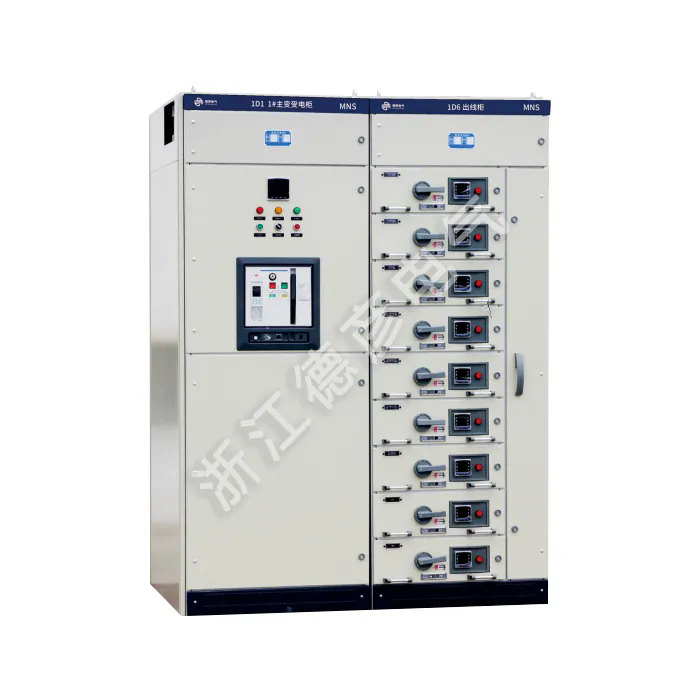
Table of Contents
- What Is Low Voltage Switchgear?
- How Does Low Voltage Switchgear Work?
- Main Components of Low Voltage Switchgear
- Key Benefits of Low Voltage Switchgear
- Common Applications
- Switchgear vs Traditional Distribution Panels
- How to Choose the Right Low Voltage Switchgear
- Maintenance Best Practices
- Future Trends in Low Voltage Switchgear
- Frequently Asked Questions
- Conclusion
What Is Low Voltage Switchgear?
Low voltage switchgear is an electrical distribution and protection system designed to manage, control, isolate, and protect electrical circuits operating at voltages typically up to 1,000V AC. It serves as the central hub for power distribution within a facility and provides protection against overloads, short circuits, ground faults, and other electrical abnormalities.
The primary purpose of low voltage switchgear is to ensure that electrical power is distributed safely and efficiently while minimizing the risk of equipment damage, downtime, and personnel hazards.
In modern power systems, low voltage switchgear is commonly installed in:
- Industrial manufacturing plants
- Commercial office buildings
- Data centers
- Hospitals
- Shopping malls
- Renewable energy facilities
- Utility substations
- Infrastructure projects
How Does Low Voltage Switchgear Work?
Low voltage switchgear continuously monitors electrical current flowing through the system. When abnormal conditions occur, such as excessive current or short circuits, protective devices automatically detect the fault and disconnect the affected circuit before serious damage occurs.
The operating process generally follows these steps:
- Electrical power enters the switchgear through incoming feeders.
- Monitoring and protection devices analyze system conditions.
- Power is distributed to various loads through outgoing feeders.
- If a fault occurs, protective relays send a trip signal.
- Circuit breakers open instantly to isolate the fault.
- Normal operations continue in unaffected sections.
This rapid response significantly reduces operational interruptions and protects valuable electrical assets.
Main Components of Low Voltage Switchgear
Understanding the major components helps facility owners and engineers select suitable solutions for their projects.
| Component | Function |
|---|---|
| Circuit Breakers | Interrupt fault currents and protect circuits from damage. |
| Busbars | Conduct and distribute electrical power throughout the switchgear. |
| Protective Relays | Monitor electrical parameters and trigger breaker operations. |
| Meters | Measure voltage, current, power, and energy consumption. |
| Disconnect Switches | Provide visible isolation for maintenance and safety. |
| Control Units | Enable operation, monitoring, and communication functions. |
| Enclosures | Protect internal components from environmental conditions. |
Together, these components create a highly coordinated system capable of maintaining stable and safe electrical operations.
Key Benefits of Low Voltage Switchgear
Many organizations invest in low voltage switchgear because it delivers substantial operational and safety advantages.
Enhanced Safety
One of the most important benefits is personnel protection. Advanced fault detection and fast circuit interruption help reduce the risk of electric shock, equipment failure, and arc flash incidents.
Reliable Power Distribution
Switchgear ensures that power is delivered efficiently to different sections of a facility. Fault isolation prevents localized issues from affecting the entire system.
Reduced Downtime
Quick fault detection and isolation minimize operational interruptions and improve productivity, particularly in mission-critical environments.
Scalability
Modern switchgear systems can be expanded to accommodate future electrical loads without major infrastructure changes.
Improved Monitoring
Digital monitoring features provide real-time information about power quality, energy usage, and system performance.
Common Applications
Low voltage switchgear supports a wide range of industries and facilities.
| Industry | Application |
|---|---|
| Manufacturing | Motor control and production line power distribution. |
| Commercial Buildings | Lighting, HVAC systems, and facility management. |
| Healthcare | Reliable power supply for medical equipment. |
| Data Centers | Critical power protection and uninterrupted operation. |
| Renewable Energy | Solar and wind power integration. |
| Utilities | Substation and distribution network protection. |
Because of its flexibility and reliability, low voltage switchgear has become an essential component of modern electrical infrastructure.
Switchgear vs Traditional Distribution Panels
| Feature | Low Voltage Switchgear | Traditional Panelboard |
|---|---|---|
| Protection Level | Advanced | Basic |
| Fault Isolation | Excellent | Limited |
| Monitoring Capabilities | Comprehensive | Minimal |
| Scalability | High | Moderate |
| Maintenance Accessibility | Better | Limited |
| Operational Reliability | Very High | Standard |
For facilities requiring superior reliability and protection, low voltage switchgear is often the preferred solution.
How to Choose the Right Low Voltage Switchgear
Selecting the correct switchgear involves evaluating multiple technical and operational factors.
- System voltage requirements
- Short-circuit current ratings
- Load capacity
- Environmental conditions
- Expansion requirements
- Communication and automation needs
- Compliance with applicable standards
- Maintenance accessibility
Before purchasing, engineers should conduct a detailed load analysis and fault current study to ensure optimal performance and long-term reliability.
Maintenance Best Practices
Routine maintenance is essential for extending the service life of low voltage switchgear and ensuring consistent performance.
Recommended maintenance activities include:
- Visual inspections of components and connections
- Thermal imaging inspections
- Cleaning dust and contaminants
- Testing circuit breaker functionality
- Verifying protective relay settings
- Checking insulation resistance
- Inspecting busbar connections
- Reviewing operational logs and fault records
A proactive maintenance strategy can significantly reduce unexpected outages and costly repairs.
Future Trends in Low Voltage Switchgear
Technological advancements continue to transform low voltage switchgear capabilities.
Emerging trends include:
- Smart monitoring and diagnostics
- Remote operation capabilities
- IoT-enabled communication systems
- Predictive maintenance analytics
- Enhanced arc-flash protection technologies
- Energy management integration
- Compact and modular designs
These innovations help organizations improve efficiency, reduce operating costs, and strengthen electrical system reliability.
Frequently Asked Questions
1. What voltage range is considered low voltage switchgear?
Low voltage switchgear generally operates at voltages up to 1,000V AC and is widely used in commercial and industrial power distribution systems.
2. Why is low voltage switchgear important?
It protects electrical equipment, enhances personnel safety, reduces downtime, and ensures efficient power distribution.
3. How long does low voltage switchgear last?
With proper maintenance, high-quality switchgear can operate reliably for 20 to 30 years or longer.
4. Can low voltage switchgear support smart monitoring?
Yes. Many modern systems include digital metering, communication modules, and remote monitoring capabilities.
5. What industries use low voltage switchgear most frequently?
Manufacturing, healthcare, data centers, utilities, renewable energy facilities, and commercial buildings commonly rely on low voltage switchgear.
6. How often should switchgear be inspected?
Inspection schedules vary by operating conditions, but most facilities perform routine inspections annually and conduct more detailed testing every few years.
Conclusion
Low voltage switchgear is a cornerstone of safe and efficient electrical power distribution. By providing reliable circuit protection, fault isolation, operational flexibility, and advanced monitoring capabilities, it helps organizations maintain productivity while protecting critical assets and personnel.
When selecting a low voltage switchgear solution, it is essential to consider system requirements, safety standards, future expansion needs, and long-term maintenance strategies. A properly designed switchgear system can deliver decades of dependable service and significantly enhance overall electrical system performance.
Deyan Electric specializes in delivering high-quality low voltage switchgear solutions designed for industrial, commercial, utility, and infrastructure applications. Whether you need a customized power distribution system, technical consultation, or support for an upcoming project, our experienced team is ready to help. Contact us today to discuss your requirements and discover how Deyan Electric can provide a reliable, safe, and cost-effective low voltage switchgear solution for your business.