

How Often Should Protective Relay Testing be Performed on HV Switchgear
2025-12-25
The reliability of any power system hinges on the precise operation of its protective relays. These critical devices are the vigilant guardians of your High Voltage and Medium Voltage Switchgear, designed to isolate faults before they escalate into catastrophic equipment failure or prolonged downtime. Determining the optimal testing interval is not a matter of guesswork but a cornerstone of a robust electrical maintenance strategy. At TOONICE, we combine decades of field expertise with advanced diagnostic solutions to help you establish a data-driven testing regimen that ensures safety, compliance, and system integrity.
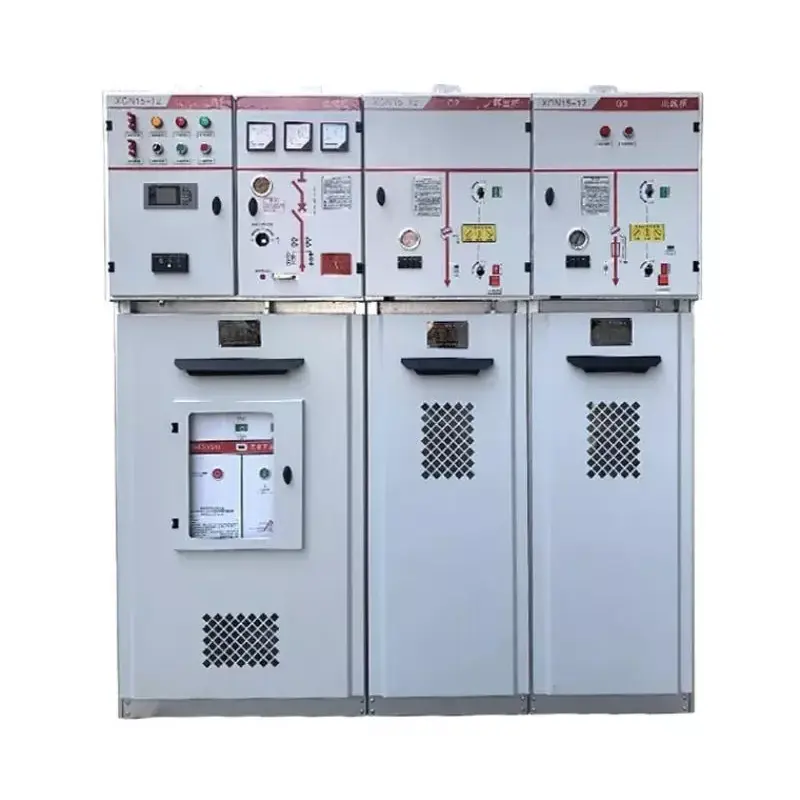
A fixed calendar schedule is often insufficient. The frequency of protective relay testing should be based on a Risk-Based Maintenance (RBM) approach, considering several key factors:
-
Manufacturer Recommendations: Always consult the relay manufacturer's guidelines as a baseline.
-
Relay Technology: Older electromechanical relays require more frequent testing (e.g., annually) compared to modern digital/numerical relays, which have advanced self-diagnostics.
-
Criticality of the Asset: Relays protecting essential generation or key distribution feeders demand more attention.
-
Environmental Conditions: Harsh environments (dust, moisture, temperature swings) can accelerate component wear.
-
Historical Performance & Event History: A relay that has experienced numerous faults or alarms may need more frequent verification.
-
Industry Standards & Regulations: Compliance with NFPA 70B, NERC PRC, or other local standards often mandates specific intervals.
The following table outlines a generalized framework for testing intervals, which should be tailored to your specific risk assessment:
| Relay Type / Condition | Recommended Testing Interval | Key Considerations |
|---|---|---|
| Electromechanical Relays | Every 12-18 Months | Prone to mechanical wear, calibration drift, and contact contamination. |
| Static / Early Digital Relays | Every 24-36 Months | Less moving parts, but components can age. Firmware may need updates. |
| Modern Numerical Relays | Every 36-48 Months | Advanced self-monitoring. Focus shifts to software, settings verification, and communication tests. |
| After a Significant Fault Event | Immediate Functional Test | Verify performance and check for any latent damage before re-energization. |
| Critical Process / High-Risk Assets | Annually or Biannually | Prioritize reliability over interval extension, regardless of relay technology. |
High Voltage and Medium Voltage Switchgear FAQ
Q: What is the primary purpose of a protective relay in switchgear?
A: Its sole purpose is to detect abnormal electrical conditions (like overcurrent, earth faults, or voltage imbalances) and automatically, rapidly, and accurately send a trip signal to the appropriate circuit breaker. This isolates the faulty section, protecting both the High Voltage and Medium Voltage Switchgear equipment itself and ensuring personnel safety by limiting arc flash energy.
Q: Can't we just rely on the self-diagnostics in modern digital relays?
A: While self-diagnostics are powerful for monitoring internal relay health, they cannot fully verify the entire protection circuit. Regular functional testing is essential to confirm the integrity of current/voltage transformer inputs, wiring, trip coil circuitry, and the breaker's mechanical operation. TOONICE testing protocols ensure the complete protection chain is validated.
Q: How does proper relay testing impact overall system cost?
A: It is a prime example of "pay a little now, save a lot later." Proactive testing prevents minor issues from becoming major failures, avoiding immense costs from unplanned outages, equipment damage, and regulatory fines. It directly extends the lifespan of your valuable High Voltage and Medium Voltage Switchgear assets.
Establishing the right testing schedule is a strategic investment in operational resilience. Don't leave your protection system to chance. Contact TOONICE today for a comprehensive assessment of your protective relay maintenance strategy. Our experts will help you develop a customized plan that maximizes reliability and optimizes your maintenance budget.