

An oil-free air compressor plays a critical role in industries where compressed air purity, stable operation, and product protection are essential. Unlike traditional oil-lubricated systems, oil-free designs eliminate the risk of lubricant entering the compressed air stream, making them suitable for sensitive applications such as medical equipment, electronics manufacturing, food processing, laboratories, and precision production lines.
This article explains how oil-free air compressors work, why manufacturers choose them, how to select the right system, and what maintenance practices help achieve reliable long-term performance.
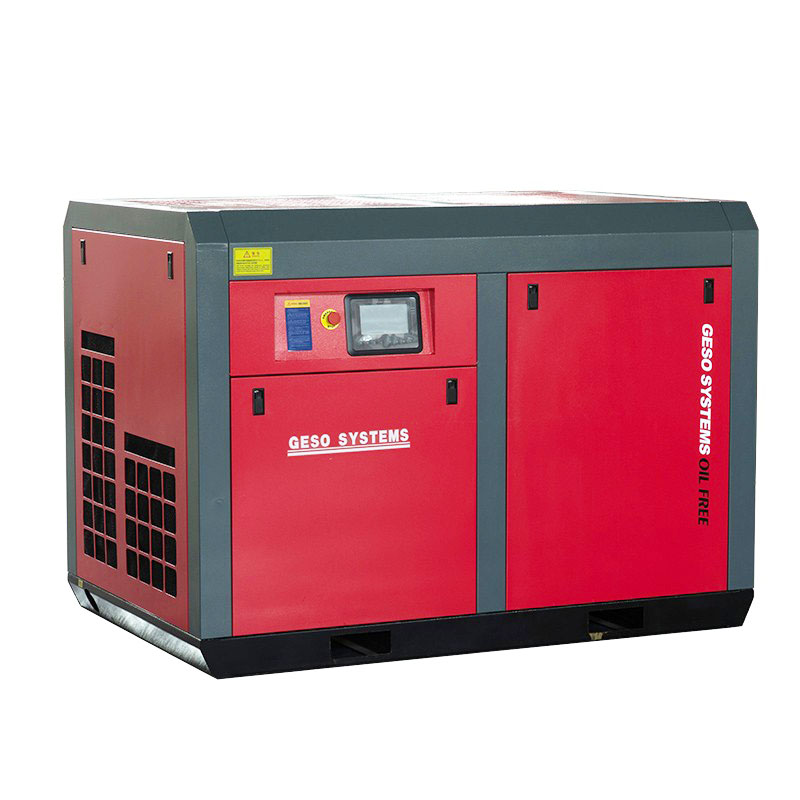
What Is an Oil-Free Air Compressor?
An oil-free air compressor is a compressed air system designed without oil entering the compression chamber. Instead of using lubricating oil to reduce friction and seal internal components, these compressors rely on advanced materials, precision manufacturing, special coatings, and optimized mechanical structures.
The main purpose of this design is to provide clean compressed air while reducing the possibility of oil contamination during production processes. For industries where compressed air directly contacts products, equipment, or sensitive components, maintaining air purity is often a key requirement.
| Feature | Oil-Free Air Compressor | Traditional Oil-Lubricated Compressor |
|---|---|---|
| Lubrication Method | No oil in compression chamber | Oil used for sealing and lubrication |
| Air Purity | Suitable for clean air applications | Requires additional filtration for oil removal |
| Maintenance | No oil replacement required | Requires oil and oil filter management |
| Main Advantage | Reduced contamination risk | Strong performance for general industrial use |
How Does an Oil-Free Air Compressor Work?
The operating principle of an oil-free air compressor is based on achieving compression without introducing oil into the airflow path. Different compressor technologies use different solutions to maintain efficiency and durability.
Precision Mechanical Design
Because oil is not used for lubrication inside the compression chamber, manufacturers need to control component accuracy more strictly. High-quality materials, low-friction surfaces, and optimized clearances help reduce wear during continuous operation.
Advanced Wear-Resistant Materials
Many oil-free compressors use materials such as PTFE-based components, carbon materials, or specially treated surfaces to handle friction and temperature generated during compression.
Clean Air Production Process
During operation, atmospheric air enters the compressor, is compressed through the oil-free compression mechanism, and is delivered without lubricant contamination from the compression stage. Additional filtration and drying systems may still be required depending on the final air quality requirement.
For industries requiring strict compressed air quality, the complete system design—including filters, dryers, piping, and maintenance practices—also influences final air performance.
Why Industries Choose Oil-Free Air Compressors
Many manufacturers face challenges caused by compressed air contamination. Even a small amount of oil residue can affect production quality, create cleaning problems, or damage sensitive processes.
Oil-free air compressors help solve these challenges by providing a cleaner air source for applications where reliability and product protection are priorities.
Common Industrial Applications
- Medical Equipment: Clean air supply for medical devices and healthcare systems.
- Food and Beverage: Reducing contamination risks during packaging and processing.
- Electronics Manufacturing: Protecting precision components from oil-related defects.
- Pharmaceutical Production: Supporting controlled manufacturing environments.
- Laboratories: Providing stable and clean compressed air for testing equipment.
- Precision Assembly: Maintaining consistent pneumatic tool performance.
| Industry | Main Requirement | Why Oil-Free Technology Helps |
|---|---|---|
| Pharmaceutical | High air purity | Reduces oil contamination risks |
| Electronics | Clean production environment | Protects sensitive components |
| Food Processing | Product safety | Provides cleaner compressed air |
| Medical | Reliable operation | Supports critical equipment performance |
Key Benefits of Using an Oil-Free Air Compressor
1. Cleaner Compressed Air
The biggest advantage of oil-free technology is reducing the possibility of lubricant contamination from the compression process. This makes it especially valuable for industries where compressed air quality directly affects production results.
2. Lower Maintenance Requirements
Without oil changes and oil filter replacement, operators can simplify routine maintenance tasks. However, oil-free does not mean maintenance-free. Filters, cooling systems, drains, and mechanical components still require regular inspection.
3. Improved Production Reliability
Stable compressed air helps reduce unexpected production interruptions. For manufacturers running continuous processes, reliable air supply is important for maintaining consistent output.
4. Environmentally Friendly Operation
Removing compressor oil management reduces used oil disposal requirements and supports cleaner workplace environments.
How to Select the Right Oil-Free Air Compressor
Choosing an oil-free air compressor requires more than checking horsepower or airflow capacity. Buyers should evaluate the complete working environment and production requirements.
Air Demand
Calculate the required air consumption of all connected equipment. Selecting a compressor with insufficient capacity may cause frequent loading cycles and unstable pressure.
Operating Pressure
Different applications require different pressure levels. Confirm whether the compressor can continuously provide the required working pressure.
Duty Cycle
For factories operating many hours per day, choose a model designed for continuous operation. Running equipment beyond its recommended working range can accelerate component wear.
Installation Environment
- Check ambient temperature conditions.
- Ensure sufficient ventilation around the compressor.
- Consider noise requirements for workplace environments.
- Evaluate available installation space.
Selection Checklist
| Selection Factor | Questions to Consider |
|---|---|
| Air Quality | Does the application require extremely clean compressed air? |
| Capacity | What airflow volume is needed during peak operation? |
| Pressure | What working pressure does the equipment require? |
| Maintenance | Are spare parts and technical support available? |
How to Maintain an Oil-Free Air Compressor for Long-Term Performance
Although oil-free compressors remove oil-related maintenance tasks, regular preventive care is still essential. Proper maintenance helps maintain efficiency and extend equipment service life.
Regular Maintenance Practices
- Clean or replace air intake filters according to operating conditions.
- Check cooling systems to prevent overheating.
- Inspect connections, valves, and pipelines for air leakage.
- Drain moisture from air storage tanks when required.
- Monitor unusual vibration, noise, or temperature changes.
| Maintenance Item | Recommended Action |
|---|---|
| Air Filter | Inspect regularly and replace when blocked |
| Cooling System | Keep airflow passages clean |
| Pipeline | Check leakage points |
| Operating Condition | Monitor pressure and temperature |
Shanghai Geso Systems Industrial PLC focuses on providing reliable industrial compressed air solutions with attention to equipment stability, efficiency, and application requirements. Through professional engineering experience and customer-oriented service, the company helps users select suitable air compressor systems for different production environments.
Frequently Asked Questions About Oil-Free Air Compressors
Q1: What is the main advantage of an oil-free air compressor?
The main advantage is cleaner compressed air without oil contamination from the compression chamber. This makes it suitable for industries where air purity is important.
Q2: Is an oil-free air compressor maintenance-free?
No. Although it eliminates oil replacement and oil filter maintenance, regular inspections of filters, cooling systems, and mechanical components are still necessary.
Q3: Where are oil-free air compressors commonly used?
They are widely used in medical, pharmaceutical, food processing, electronics manufacturing, laboratories, and other industries requiring clean compressed air.
Q4: How long can an oil-free air compressor operate?
Service life depends on compressor design, operating conditions, workload, installation environment, and maintenance practices.
Q5: Can oil-free compressors replace all oil-lubricated compressors?
Not always. The best choice depends on air purity requirements, operating conditions, energy consumption expectations, and application needs.
Improve Your Compressed Air System with the Right Solution
Choosing the correct oil-free air compressor can improve production reliability, protect sensitive processes, and support cleaner industrial operations. Shanghai Geso Systems Industrial PLC provides professional compressed air solutions tailored to different application requirements.
Contact us today to discuss your air compressor requirements and receive a suitable technical recommendation for your project.