

How Signal Relays Improve Electrical Control Systems and Ensure Reliable Signal Transmission
2026-08-10
Article Summary
Signal relays are essential components in modern electrical and electronic systems, providing reliable switching, isolation, and signal transmission solutions across various industries. As automation, smart devices, industrial control systems, and communication equipment continue to evolve, the demand for high-performance signal relays has increased significantly.
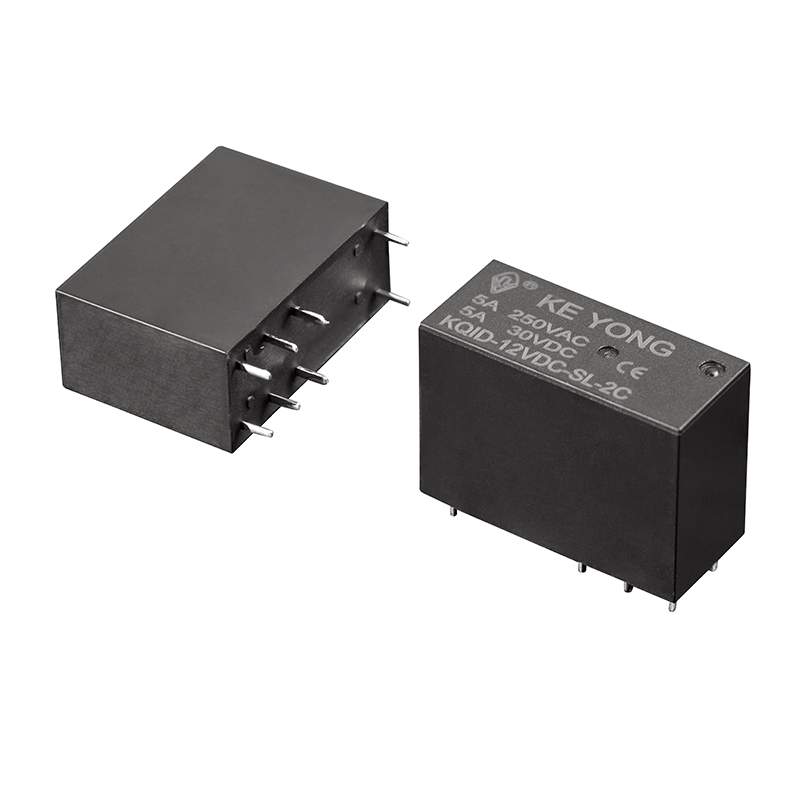
This article explains how signal relays work, why they are important, what challenges engineers face when selecting relay solutions, and how professional manufacturers such as NINGBO KEYONG JINGSHENG ELECTRICAL APPLIANCE CO., LTD. provide dependable relay products for different applications. By understanding relay structures, selection methods, and maintenance considerations, businesses can improve system stability, reduce downtime, and achieve safer electrical control performance.
Table of Contents
- 1. Introduction to Signal Relays
- 2. How Signal Relays Work
- 3. Why Signal Relays Are Important in Modern Applications
- 4. Common Challenges When Choosing Signal Relays
- 5. How to Select the Right Signal Relay Solution
- 6. Major Applications of Signal Relays
- 7. Advantages of High-Quality Signal Relays
- 8. Maintenance Tips for Signal Relay Systems
- 9. Frequently Asked Questions About Signal Relays
- 10. Conclusion
1. Introduction to Signal Relays
Electrical systems often require a reliable method to control low-power signals while protecting sensitive circuits from electrical interference. Signal relays are designed to solve this challenge by allowing one circuit to control another circuit through an electromagnetic switching mechanism.
Unlike ordinary power relays that handle large electrical loads, signal relays are optimized for precise signal control. They are widely used in communication equipment, industrial automation systems, measurement devices, security systems, and electronic control units where accuracy and stability are critical.
As electronic equipment becomes smaller and more intelligent, engineers need relay solutions that provide compact design, excellent electrical isolation, fast response, and long service life. Choosing the correct signal relay has become an important factor in improving overall system performance.
2. How Signal Relays Work
A signal relay operates by using an electrical control signal to activate a switching mechanism. When voltage is applied to the relay coil, an electromagnetic field is generated, causing the internal contacts to move and change their connection state.
The basic operating process includes several important steps:
- Signal input: A control system sends a small electrical signal to the relay coil.
- Electromagnetic activation: The coil creates a magnetic field that moves the internal armature.
- Contact switching: Relay contacts open or close to control another circuit.
- Signal output: The controlled circuit receives the required switching action.
This working principle allows signal relays to provide electrical separation between input and output circuits. This isolation protects sensitive electronic components from voltage fluctuations, electrical noise, and unexpected current changes.
| Component | Function |
|---|---|
| Relay Coil | Generates the magnetic field required for switching operation |
| Contact System | Controls circuit connection and disconnection |
| Armature | Moves according to electromagnetic force |
| Housing | Protects internal components from external damage |
3. Why Signal Relays Are Important in Modern Applications
Modern electrical systems depend heavily on accurate and stable signal management. A small signal failure can interrupt automation processes, reduce equipment efficiency, or create safety risks. Signal relays help overcome these problems by providing dependable switching performance.
The main benefits of signal relays include:
- Improved electrical isolation between different circuits.
- Reliable switching performance for sensitive signals.
- Protection of control systems against electrical interference.
- Compatibility with various industrial and electronic applications.
- Long operational lifespan under suitable working conditions.
For industries that require continuous operation, relay reliability directly affects productivity. High-quality signal relays reduce maintenance requirements and help prevent unexpected system interruptions.
4. Common Challenges When Choosing Signal Relays
Selecting the correct signal relay is not always simple. Different applications require different electrical specifications, mechanical designs, and environmental performance levels. Many customers experience difficulties because they focus only on basic parameters without considering the complete operating environment.
| Common Problem | Possible Impact | Recommended Solution |
|---|---|---|
| Incorrect relay rating | Reduced reliability or premature failure | Select a relay according to voltage, current, and application requirements |
| Poor contact quality | Signal instability and increased resistance | Choose products with reliable contact materials |
| Environmental stress | Performance degradation | Use relays designed for specific working conditions |
| Insufficient isolation | Possible circuit damage | Evaluate insulation and protection requirements |
Professional relay manufacturers understand these challenges and provide technical support to help customers select suitable solutions for their systems.
5. How to Select the Right Signal Relay Solution
Choosing an appropriate signal relay requires careful evaluation of several factors. The right product should match the electrical requirements, installation environment, and expected service life of the application.
Important selection factors include:
- Electrical characteristics: Check rated voltage, switching current, contact configuration, and power consumption.
- Response performance: Applications requiring fast switching should consider operating and release times.
- Mechanical durability: Frequent switching applications require strong contact structures and reliable materials.
- Environmental conditions: Temperature, humidity, vibration, and dust exposure should be considered.
- Manufacturer capability: Working with an experienced supplier helps ensure product consistency and technical support.
NINGBO KEYONG JINGSHENG ELECTRICAL APPLIANCE CO., LTD. focuses on providing dependable relay products designed for different electrical control requirements. Through professional manufacturing processes and quality management, the company helps customers achieve stable signal switching performance.
6. Major Applications of Signal Relays
Signal relays are used in many industries because of their flexibility and reliability. Common application areas include:
- Industrial automation: Used for machine control, monitoring systems, and production equipment.
- Communication equipment: Provides reliable signal switching in communication devices.
- Medical equipment: Supports precise control functions in electronic medical systems.
- Security systems: Helps manage detection signals and control circuits.
- Smart devices: Enables efficient signal management in intelligent electronic products.
- Testing equipment: Provides accurate switching during measurement and analysis processes.
The wide range of applications demonstrates the importance of signal relays in modern technology development.
7. Advantages of High-Quality Signal Relays
A high-quality signal relay provides more than simple switching functionality. It improves system reliability by ensuring stable electrical connections and consistent operation.
| Advantage | Customer Benefit |
|---|---|
| High switching reliability | Reduces equipment failures and maintenance costs |
| Excellent isolation performance | Protects sensitive electronic components |
| Compact structure | Saves installation space |
| Long service life | Improves overall system efficiency |
| Stable performance | Supports continuous industrial operation |
8. Maintenance Tips for Signal Relay Systems
Although signal relays are designed for durability, proper maintenance can further extend their operational lifespan.
- Regularly inspect relay connections and terminals.
- Keep relay environments clean and free from excessive dust.
- Check whether operating conditions exceed rated specifications.
- Replace damaged components promptly.
- Monitor switching performance during regular equipment inspections.
Preventive maintenance helps identify potential issues before they affect the entire control system.
9. Frequently Asked Questions About Signal Relays
Q1: What is the main purpose of a signal relay?
A signal relay is mainly used to control electrical signals while providing isolation between input and output circuits. It improves safety and reliability in electronic systems.
Q2: What is the difference between a signal relay and a power relay?
Signal relays are designed for precise low-power signal switching, while power relays are mainly used for controlling higher electrical loads.
Q3: How can I choose the correct signal relay?
Consider electrical specifications, switching frequency, environmental conditions, installation requirements, and supplier experience before making a decision.
Q4: Why is relay quality important?
Poor-quality relays may cause unstable signals, system failures, and increased maintenance costs. Reliable relay products provide better long-term performance.
Q5: Which industries commonly use signal relays?
Signal relays are widely used in automation, communication, medical devices, security systems, testing equipment, and electronic products.
10. Conclusion
Signal relays play a vital role in modern electrical control systems by providing reliable switching, electrical isolation, and stable signal transmission. Understanding their working principles, selection methods, and application advantages helps businesses choose better solutions for their equipment requirements.
With professional experience and advanced manufacturing capabilities, NINGBO KEYONG JINGSHENG ELECTRICAL APPLIANCE CO., LTD. delivers reliable signal relay solutions designed to meet diverse industry needs. Whether for automation systems, electronic equipment, or customized applications, selecting the right relay partner can significantly improve system performance and operational stability.
For high-quality signal relay solutions and professional technical support, contact us today to discuss your application requirements and find the most suitable relay solution for your project.