Article Summary
Spring terminal blocks are widely used in modern electrical systems due to their tool-free wiring, vibration resistance, and consistent contact force. This article explains how spring terminal blocks work, how to select the right type, and how to install and maintain them properly. It also highlights common challenges users face in industrial and commercial wiring applications and provides practical solutions. Whether you are designing control cabinets, automation systems, or electrical distribution panels, this guide will help you improve safety, efficiency, and long-term reliability.
Article Outline
-
Introduction to Spring Terminal Block Technology
-
Common Pain Points in Electrical Wiring Systems
-
How Spring Terminal Blocks Solve These Issues
-
Selection Criteria for Spring Terminal Blocks
-
Installation Best Practices
-
Maintenance and Inspection Guidelines
-
Industrial Applications
-
Frequently Asked Questions
-
Conclusion and Professional Recommendation from WKDQ
Introduction to Spring Terminal Block Technology
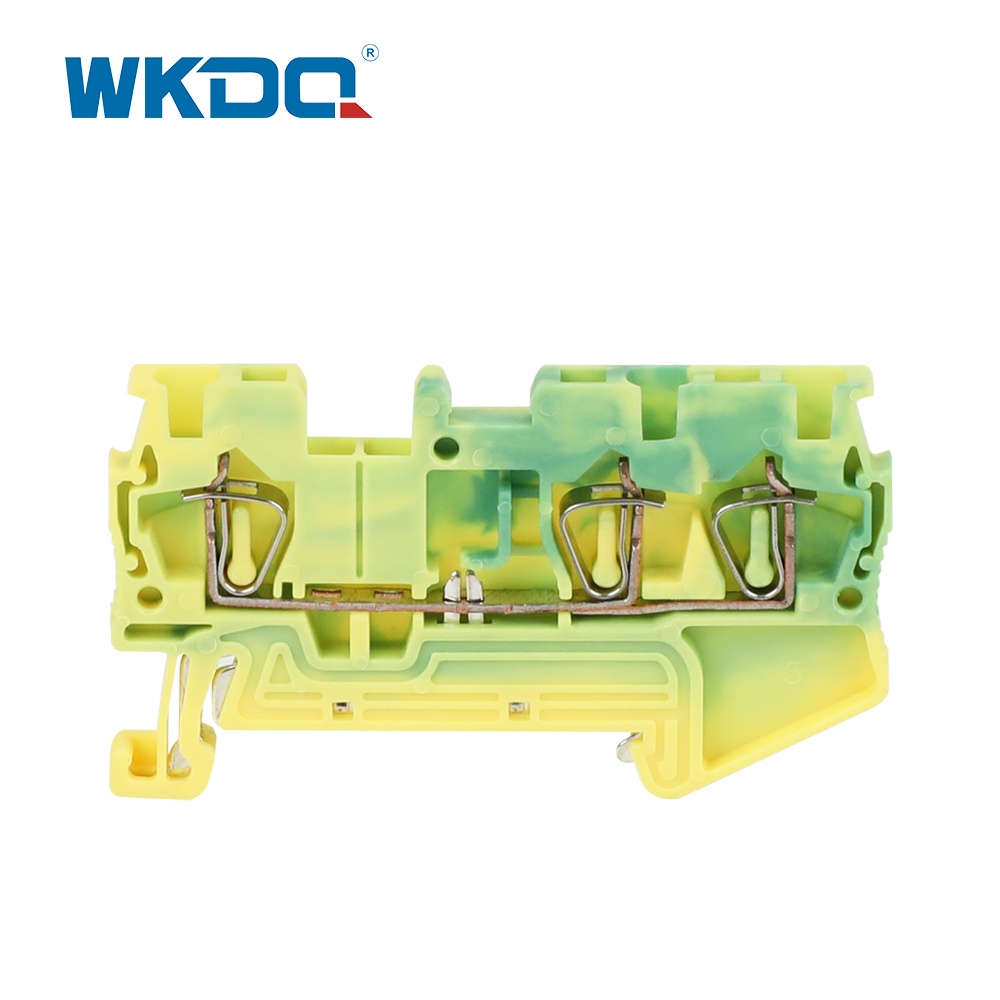
A spring terminal block is an electrical connection component that uses spring force instead of screw pressure to secure conductors. This design ensures stable contact pressure regardless of vibration, temperature fluctuation, or mechanical stress.
Unlike traditional screw-type connectors, spring terminal blocks reduce installation time and eliminate the risk of loosening over time. This makes them especially suitable for automation systems, control panels, rail transportation systems, and industrial machinery.
In modern electrical engineering, reliability and safety are key priorities. Spring-based connection technology plays an essential role in meeting these demands by ensuring consistent conductivity and minimizing human error during installation.
Common Electrical Wiring Challenges
Electrical engineers and installers frequently face several recurring problems when using traditional wiring systems:
-
Loose connections caused by vibration in industrial environments
-
Inconsistent torque when tightening screw terminals
-
Time-consuming installation and maintenance procedures
-
Risk of conductor damage due to over-tightening
-
Poor performance under thermal expansion and contraction
These issues not only increase maintenance costs but also create safety risks such as overheating, signal interruption, or even system failure.
Why Spring Terminal Block Matters
Spring terminal blocks address these challenges through a constant-force contact system. The internal spring mechanism automatically adjusts to the conductor size and maintains consistent pressure over time.
Key advantages include:
-
Vibration resistance: Ideal for heavy machinery and transportation systems
-
Tool-free wiring: Faster installation without torque tools
-
Maintenance-free connection: No need for periodic re-tightening
-
Stable conductivity: Reduces risk of resistance increase over time
-
Compact design: Saves space in electrical cabinets
WKDQ provides high-quality spring terminal block solutions designed to improve system stability and reduce long-term operational risks in demanding environments.
How to Select the Right Spring Terminal Block
Choosing the correct spring terminal block depends on several technical and environmental factors. A wrong selection can lead to inefficiency or safety issues.
-
Current rating: Ensure the terminal block supports the system load
-
Wire size compatibility: Match conductor cross-section range
-
Material quality: Prefer flame-retardant and corrosion-resistant materials
-
Mounting type: DIN rail compatibility is common in industrial panels
-
Environmental conditions: Temperature, humidity, and vibration levels
-
Certification standards: Ensure compliance with international safety standards
Engineers should always evaluate system requirements before selecting a model. WKDQ offers a wide range of configurations suitable for different industrial applications.
Installation Guidelines
Proper installation is critical to ensuring long-term performance. Although spring terminal blocks simplify wiring, following best practices improves reliability.
-
Strip wire insulation to the recommended length
-
Insert conductor fully into the terminal slot
-
Ensure proper seating without bending the conductor
-
Use test points for verification before powering the system
-
Label connections clearly for future maintenance
One of the major advantages of spring-based systems is reduced installation time. This is particularly beneficial in large-scale control cabinet manufacturing and field installations.
Maintenance and Long-Term Reliability
One of the strongest advantages of spring terminal blocks is their low maintenance requirement. However, periodic inspection is still recommended in critical systems.
Maintenance recommendations include:
-
Check for visible dust or contamination buildup
-
Inspect for discoloration or overheating signs
-
Verify mechanical stability during system downtime
-
Ensure labeling remains legible
Because the spring mechanism maintains constant force, re-tightening is generally unnecessary. This significantly reduces downtime in industrial operations.
Industrial Applications
Spring terminal blocks are used across a wide range of industries due to their reliability and efficiency.
-
Industrial automation control panels
-
Railway and transportation electrical systems
-
Energy distribution and power supply units
-
HVAC control systems
-
Machine building and robotics
-
Building electrical installations
Their adaptability makes them a preferred choice for engineers who prioritize safety and long-term operational stability.
Frequently Asked Questions
Q1: What makes spring terminal blocks better than screw types?
They provide consistent pressure, faster installation, and better vibration resistance compared to screw-based systems.
Q2: Are spring terminal blocks reusable?
Yes, most designs allow repeated insertion and removal of conductors without damaging the terminal.
Q3: Can they be used in high-vibration environments?
Yes, they are specifically designed for such conditions and perform better than traditional alternatives.
Q4: Do they require special tools?
No, most spring terminal blocks are designed for tool-free wiring, although specific designs may use an actuator tool.
Q5: How do I know if I selected the correct type?
Check load requirements, wire size compatibility, and environmental conditions before selection. WKDQ technical support can assist with matching specifications.
Conclusion
Spring terminal blocks represent a significant advancement in electrical connection technology. Their ability to maintain stable contact pressure, resist vibration, and simplify installation makes them a preferred solution in modern electrical engineering.
From selection to installation and maintenance, understanding the correct practices ensures maximum performance and safety. Engineers and system designers can greatly reduce operational risks by adopting high-quality components.
WKDQ is committed to providing reliable spring terminal block solutions tailored to industrial needs, ensuring efficiency, durability, and consistent performance in demanding environments.
For professional consultation, technical support, or product inquiries, contact us today and let WKDQ help you build safer and more efficient electrical systems.