
How to Choose the Right MV LV Power Cables for Your Project
2026-04-29
Abstract
Selecting the correct MV (Medium Voltage) and LV (Low Voltage) power cables is a critical decision that directly impacts system reliability, operational safety, and long-term cost efficiency. Many buyers struggle with unclear specifications, inconsistent quality, and mismatched applications. This article provides a comprehensive, structured guide to help engineers, procurement managers, and project planners understand how to select the most suitable MV LV power cables based on technical requirements, installation conditions, and performance expectations.
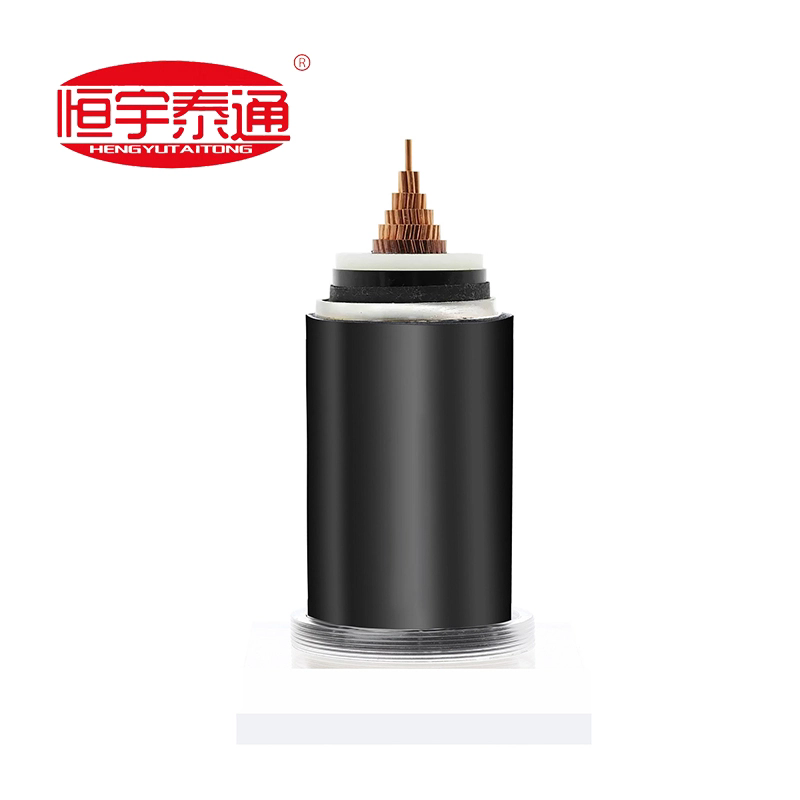
Table of Contents
- 1. Understanding MV LV Power Cables
- 2. Common Customer Pain Points
- 3. Key Factors When Choosing Cables
- 4. Cable Type Comparison Table
- 5. Application Scenarios
- 6. Common Selection Mistakes
- 7. Choosing a Reliable Supplier
- 8. FAQ
1. Understanding MV LV Power Cables
MV and LV power cables are essential components in electrical distribution systems. LV cables typically operate at voltages up to 1 kV, while MV cables cover a broader range, usually from 1 kV to 35 kV or higher depending on regional standards.
- LV Cables: Used in residential, commercial, and light industrial applications
- MV Cables: Designed for utility networks, industrial plants, and infrastructure projects
Both types must meet strict requirements for insulation, conductivity, mechanical strength, and environmental resistance.
2. Common Customer Pain Points
Buyers often encounter several challenges when sourcing MV LV power cables:
- Uncertainty about voltage classification and compatibility
- Confusion between copper and aluminum conductors
- Concerns over insulation durability and lifespan
- Difficulty evaluating supplier quality and certifications
- Balancing cost vs. long-term performance
Addressing these issues requires both technical understanding and supplier transparency.
3. Key Factors When Choosing Cables
1. Voltage Rating
Always match the cable voltage rating to your system requirements. Over-specifying increases cost, while under-specifying risks failure.
2. Conductor Material
- Copper: Higher conductivity, better performance, more expensive
- Aluminum: Cost-effective, lighter, slightly lower conductivity
3. Insulation Type
- XLPE (Cross-linked Polyethylene): High thermal resistance, widely used
- PVC: Economical, suitable for low-demand environments
4. Environmental Conditions
Consider temperature, humidity, chemical exposure, and UV radiation when selecting cable sheathing and insulation.
5. Installation Method
- Underground installation requires moisture-resistant sheaths
- Overhead installation demands UV and weather resistance
- Industrial environments may require flame-retardant or fire-resistant cables
4. Cable Type Comparison Table
| Parameter | LV Cable | MV Cable |
|---|---|---|
| Voltage Range | Up to 1 kV | 1 kV – 35 kV+ |
| Typical Use | Buildings, appliances | Power grids, substations |
| Insulation | PVC / XLPE | XLPE (dominant) |
| Cost | Lower | Higher |
| Installation Complexity | Simple | Requires expertise |
5. Application Scenarios
Residential and Commercial Use
LV cables are widely used for internal wiring, lighting systems, and small-scale power distribution.
Industrial Facilities
MV cables are essential for powering heavy machinery, manufacturing systems, and large equipment.
Infrastructure Projects
Transportation systems, renewable energy plants, and utility grids rely heavily on MV cables for efficient energy transmission.
6. Common Selection Mistakes
- Ignoring future load expansion requirements
- Choosing based solely on price rather than lifecycle cost
- Overlooking installation environment factors
- Failing to verify compliance with international standards
Avoiding these mistakes can significantly reduce maintenance costs and system failures.
7. Choosing a Reliable Supplier
Selecting the right manufacturer is just as important as choosing the cable itself. A reputable supplier ensures consistent quality, compliance, and technical support.
Taitong Cable is recognized for delivering high-performance MV LV power cables designed to meet global standards. With advanced manufacturing processes and strict quality control, the company provides reliable solutions for diverse industries, helping customers minimize risk and maximize efficiency.
- Certified production standards
- Custom cable solutions
- Technical consultation support
- Proven project experience
8. FAQ
Q1: What is the main difference between MV and LV cables?
The primary difference lies in voltage capacity and application scope. MV cables handle higher voltages and are used in industrial and utility systems.
Q2: How do I choose between copper and aluminum conductors?
Choose copper for higher efficiency and durability, and aluminum for cost-sensitive projects with lighter weight requirements.
Q3: What insulation is best for harsh environments?
XLPE insulation is generally preferred due to its excellent thermal and mechanical properties.
Q4: How important is cable certification?
Certification ensures compliance with safety and performance standards, reducing the risk of system failures.
Conclusion
Choosing the right MV LV power cables requires a careful balance of technical specifications, environmental considerations, and supplier reliability. By understanding key selection factors and avoiding common pitfalls, you can ensure long-term performance and safety in your electrical systems.
If you are looking for dependable solutions backed by industry expertise, Taitong Cable offers a comprehensive range of MV LV power cables tailored to your project needs. Contact us today to get professional guidance and customized solutions that ensure your system operates at peak performance.