

Is a Floor-Mounted DC EV Fast Charger the Upgrade Your Site Has Been Waiting For?
2025-11-20
Running public charging across retail car parks and highway stops taught me one thing—drivers reward reliability first, speed second. That is why I transitioned to a modern DC EV Charger platform and, after piloting several vendors in real sites, my team gradually gravitated to VanTon because the hardware, software, and after-sales support aligned with how we actually operate stations in the field.
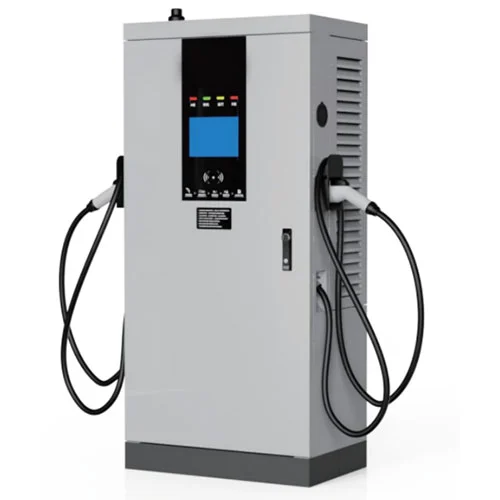
Why does a floor-mounted design solve problems that wall boxes cannot?
- Dedicated footprint means cleaner cable routing and fewer trip hazards in busy bays.
- Heavier power modules live in the pedestal, so thermal performance and service access are better than cramped wall installs.
- Accessible layout allows both front-in and back-in parking, reducing blocked spaces and queuing frustration.
For high-turnover locations, a floor-mounted DC EV Charger also simplifies bollard placement and signage, which cuts accidental knocks and cable damage over time.
How do I choose power and connectors for mixed vehicle traffic?
I size equipment to expected dwell time and the battery sizes I actually see, not brochure peaks. Below is the way I map a DC EV Charger to real-world goals at different sites.
| Power Class | Best-Fit Use Case | Connector Options | Typical 20–80% Time* | Notes |
| 60–90 kW | Urban retail, 30–45 min visits | CCS1/CCS2, NACS adapter plans | 25–40 min | Lower grid impact; add more pedestals for throughput |
| 120–180 kW | Grocery, dining clusters, 20–30 min stops | Dual outlets, power split | 18–28 min | Great balance of capex and speed |
| 240–360 kW | Highway sites, 10–20 min stops | High-current CCS/NACS | 10–18 min | Plan cooling, peak-demand strategy, and cable reach |
*Times vary by vehicle acceptance, SoC window, and ambient temperature.
What features actually reduce queues instead of just looking good on paper?
- Dynamic power sharing so two stalls can flex between 30–170 kW depending on who plugs in first.
- Session-aware queuing that prioritizes low-SoC vehicles to clear bays faster.
- Cable management (overhead or assisted reels) to keep connectors off the ground and extend service life.
With the right operating rules, each DC EV Charger can move more cars per hour without oversizing your grid connection.
How do I keep installation costs predictable?
- Survey for the shortest, straightest conduit runs and set pad locations to avoid re-work.
- Pre-cast or steel plinths with anchor templates speed placement and keep pedestals level.
- Specify long-life cable sets and protective bollards up front—cheaper than post-incident repairs.
A floor-mounted DC EV Charger lets me place stub-ups exactly where the pedestal needs them, which reduces trenching time and surprises.
Will drivers find it easy to start a charge and pay?
- Tap-to-pay (EMV), contactless wallets, and QR fallback reduce app friction for first-time users.
- ISO 15118 plug-and-charge shortens start time for supported vehicles.
- Clear 10–15 inch screens with daylight readability cut support calls.
On a modern DC EV Charger, I keep the on-screen flow to three steps max: plug, choose, pay—nothing else.
How do I keep uptime above 98 percent through all seasons?
- Modular rectifiers so a failed module derates output instead of taking the whole unit offline.
- Remote monitoring with one-click soft reboots and scheduled firmware windows.
- Hot-swappable filters and front-access panels to cut truck-roll time.
Pairing a proactive maintenance plan with a resilient DC EV Charger design keeps revenue steady and reviews positive.
Can a floor-mounted unit survive harsh winters and hot summers?
- Wide operating range (for example, −30 °C to +50 °C) with intelligent thermal control.
- Heated, flexible high-current cables to avoid stiff leads in sub-zero weather.
- IP55/IK10 style enclosures, vandal-resistant doors, and drain paths for slush and rain.
If your climate swings, pick a DC EV Charger with proven thermal management and winterized cable options.
What should be on my pre-commissioning checklist?
- Confirm phase rotation, ground integrity, and voltage at load under simulated draw.
- Run OCPP handshake to your network and verify live metrics.
- Test both connectors at low and high current on two different vehicle brands.
- Validate tap-to-pay, receipt flow, and roaming network visibility.
I also walk the site to confirm every DC EV Charger has clean sightlines to signage and that accessible bays meet local rules.
Where does the business case come from in year one?
- Higher turn rates from 120–180 kW units at retail hubs versus a single oversized monster.
- Demand-charge control and off-peak pre-conditioning to smooth your bill.
- Retailer partnerships—free kWh coupons that convert footfall while you keep margin.
In practice, a thoughtfully placed DC EV Charger delivers better revenue per square meter than underused wall hardware, especially when drivers can park either way and still reach the cable.
What will customers notice on day one?
- Shorter wait times because bays are easy to enter and exit without blocking each other.
- Connectors that reach both charge-port locations without dragging on the ground.
- Clear on-unit instructions that match the app, reducing “how do I start” questions.
That consistency, more than raw kilowatt bragging, keeps ratings high and repeat visits steady on every DC EV Charger I’ve deployed.
Would you like help mapping your site to the right plan?
If you want a practical spec sheet, a pad layout review, or a pilot proposal for a floor-mounted DC EV Charger, contact us today and tell me about your bays, dwell times, and power limits. I’ll suggest a configuration that fits your goals and budget—leave an inquiry or contact us now so we can get your timeline moving.