

What Are the Common Failures of a 33KV Oil Immersed Distribution Transformer
2026-09-11
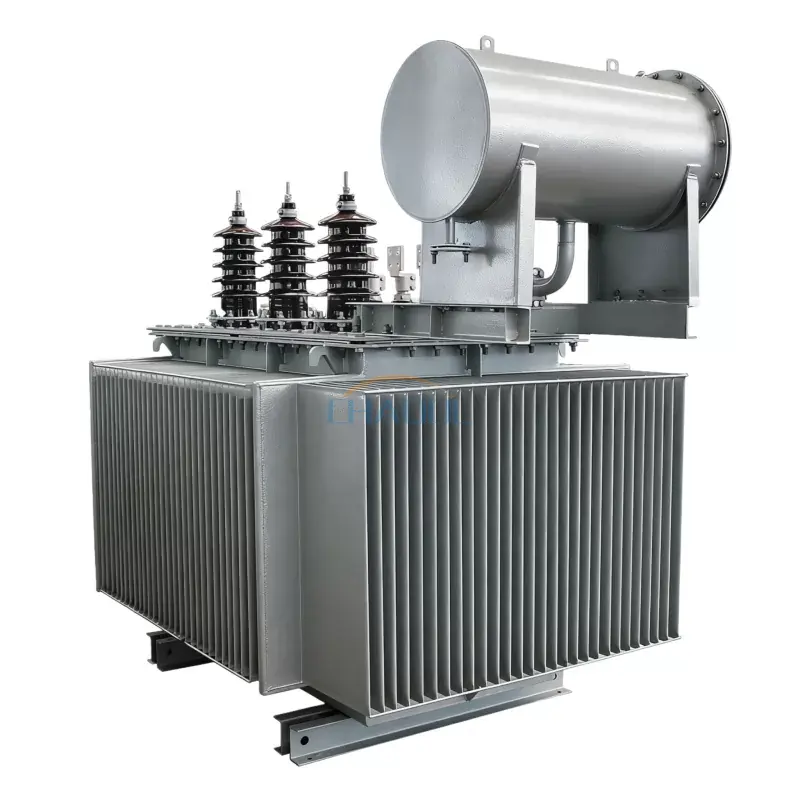
As a critical asset in medium-voltage power networks, the 33KV Oil Immersed Distribution Transformer plays a vital role in ensuring stable electricity delivery to industrial, commercial, and utility applications. Anqiang Power has manufactured and serviced thousands of these units across global markets, and our field data reveals that most failures are preventable when proper monitoring and maintenance protocols are followed. Understanding the root causes of common failures helps asset managers extend transformer lifespan, reduce downtime, and optimize total cost of ownership.
1. Winding and Core Failures
Winding insulation degradation is the leading cause of catastrophic failure in a 33KV Oil Immersed Distribution Transformer. Thermal aging, moisture ingress, and short-circuit stresses gradually weaken paper insulation, leading to turn-to-turn faults or phase-to-ground breakdown.
| Failure Type | Root Cause | Typical Symptom |
|---|---|---|
| Turn-to-turn short circuit | Insulation aging, overloading | Abnormal DGA, sudden pressure rise |
| Core lamination short | Insulation coating damage | Elevated no-load loss, overheating |
| Winding deformation | Repeated short-circuit forces | Winding resistance imbalance |
2. Oil Degradation and Contamination
Transformer oil serves both as insulation and coolant. In a 33KV Oil Immersed Distribution Transformer, oil breakdown accelerates when moisture, sludge, or dissolved gases accumulate.
-
Moisture ingress – reduces dielectric strength, promotes corrosion
-
Oxidation – forms sludge, restricts cooling ducts
-
Dissolved gas buildup – indicates arcing, partial discharge, or thermal faults
3. Bushing and Tap Changer Failures
Bushings and on-load tap changers (OLTC) are frequent failure points. Contaminated bushings cause flashover, while OLTC contact wear leads to voltage instability.
| Component | Common Failure | Detection Method |
|---|---|---|
| HV/LV Bushing | Cracking, contamination flashover | Visual inspection, tan delta test |
| OLTC | Contact erosion, motor failure | DGA, contact resistance measurement |
| Gasket/Seal | Oil leakage, moisture entry | Leak inspection, moisture test |
4. Cooling System and Overheating
Radiator blockage, fan failure, or oil pump malfunction causes thermal runaway. Anqiang Power recommends continuous top-oil and winding temperature monitoring to prevent insulation breakdown.
5. External and Environmental Factors
Lightning surges, grid faults, and rodent intrusion remain common external causes. Surge arresters and proper grounding are essential safeguards.
Frequently Asked Questions
Q: How often should oil testing be performed on a 33KV Oil Immersed Distribution Transformer?
A: Annual dissolved gas analysis (DGA) and oil quality tests are recommended; units operating under heavy load or in humid environments should be tested every six months.
Q: What are the early warning signs of failure in a 33KV Oil Immersed Distribution Transformer?
A: Elevated oil temperature, unusual noise, oil discoloration, gas relay alarms, and increasing DGA levels are key indicators requiring immediate investigation.
Q: Can a 33KV Oil Immersed Distribution Transformer be repaired after a major fault?
A: Yes, depending on fault severity. Rewinding, oil reclamation, and bushing replacement are feasible, but economic assessment against replacement is advised.
Conclusion
Most failures in a 33KV Oil Immersed Distribution Transformer stem from insulation aging, oil degradation, and component wear. With Anqiang Power's condition-based monitoring solutions and preventive maintenance programs, operators can significantly reduce failure risk and extend service life.
Contact us today to discuss your 33KV Oil Immersed Distribution Transformer inspection, testing, or replacement needs — our engineering team is ready to support your project.