

What Are the Key Safety Features of a Pad Mounted Transformer
2025-10-28
When it comes to electrical infrastructure, safety isn't just a feature—it's the foundation. For engineers, utility managers, and project developers, understanding the built-in safety mechanisms of a Pad Mounted Transformer is crucial for protecting personnel, the public, and valuable assets. A well-designed unit goes beyond basic functionality to create a secure and resilient system. At CONSO·china, we engineer every transformer with a multi-layered safety philosophy, ensuring reliability in even the most demanding commercial and industrial environments.
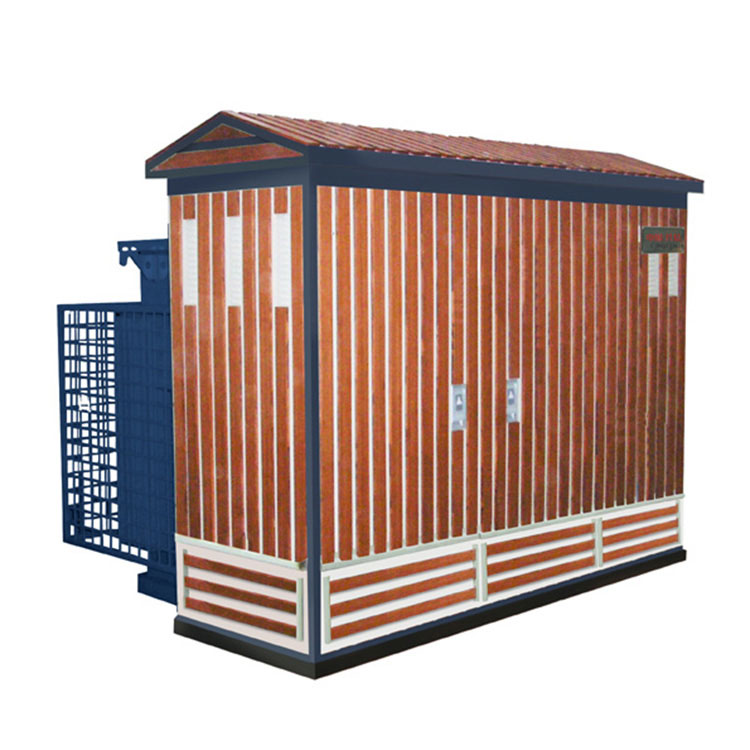
What Core Protections Are Built into the Enclosure
The first line of defense is a robust, tamper-resistant enclosure. This isn't just a box; it's a sophisticated barrier designed with several critical features:
-
Vented, Tamper-Proof Construction: Louvers allow for critical airflow while preventing the insertion of foreign objects, deterring vandalism and unauthorized access.
-
3-Point Locking System: Heavy-duty locks with a central mechanism secure all doors, requiring a specialized tool for entry. This ensures only qualified personnel can access internal components.
-
Corrosion-Resistant Finish: A powder-coated finish protects against rust and environmental degradation, maintaining structural integrity over decades.
-
Lifted Cable Entrance: Cables enter from the bottom, protected from water ingress and physical damage.
How Do Internal Systems Mitigate Operational Hazards
Inside the enclosure, a suite of systems works in concert to manage the inherent risks of high-voltage electricity. The key parameters of these systems are detailed below:
| Safety Feature | Technical Specification | Primary Safety Function |
|---|---|---|
| Fully Insulated Bushings | IEEE C57.12.00 Standard | Prevents external flashover and contains high-voltage connections. |
| Pressure Relief Device | Activates at <5 PSI | Vents excess internal pressure rapidly to prevent tank rupture during a fault. |
| Fail-Safe Fault Interrupter | 200A, 15.5kV Class | Automatically interrupts internal fault currents before they reach the primary system. |
| Grounding System | Low-Resistance <5 Ohms | Provides a safe path for fault current, stabilizing voltage and preventing shock hazards. |
Frequently Asked Questions About Pad Mounted Transformer Safety
How often should the safety features of a Pad Mounted Transformer be inspected
We recommend a visual external inspection quarterly and a comprehensive internal inspection by a qualified technician every 3-5 years. This ensures all mechanical and electrical safety devices, like the pressure relief valve and fault interrupter, are in optimal working condition.
What happens during an internal electrical fault
The Pad Mounted Transformer is designed to contain and manage internal faults. The pressure relief device will immediately activate to vent gases and prevent a tank explosion, while the fault interrupter cuts off the internal circuit, protecting the upstream network.
Are these units safe in public areas like parks or schools
Absolutely. The combination of the tamper-proof, locked enclosure and fully insulated bushings makes a modern Pad Mounted Transformer exceptionally safe for public spaces. The design prevents any public contact with live parts, making it a secure choice for community applications.
Safety is not an afterthought; it is engineered into the DNA of every product we build. Choosing a CONSO·china Pad Mounted Transformer means investing in peace of mind, backed by rigorous testing and proven performance.
Contact us today to discuss your project's specific safety requirements and receive a detailed specification sheet for our certified transformers.