

What Are the Key Safety Risks of a Containerized Energy Storage System
2026-06-26
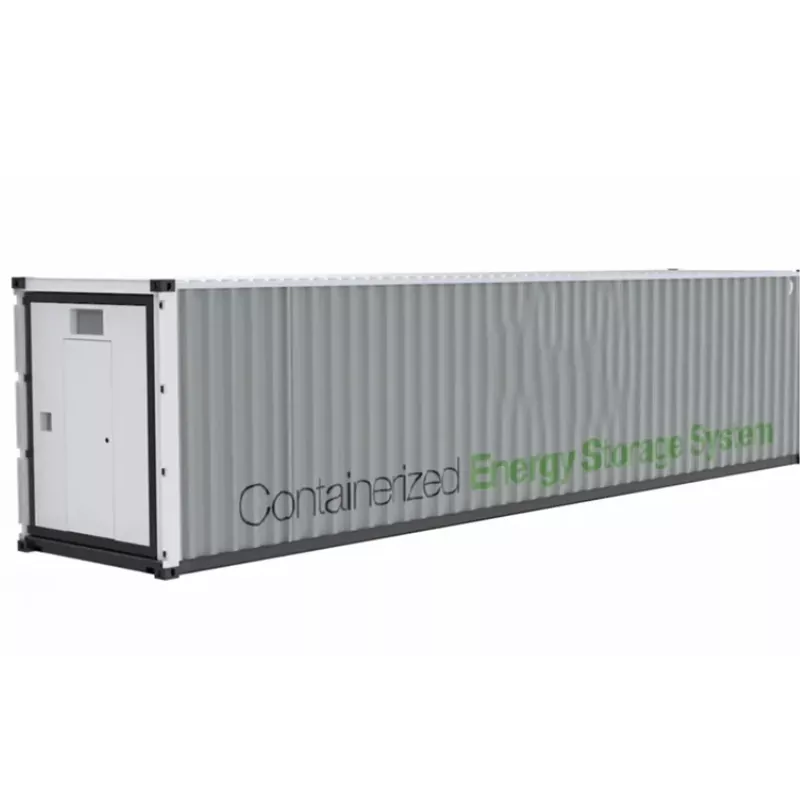
As global energy storage deployments surge, the Containerized Energy Storage System has become a cornerstone of modern grid resilience and renewable integration. However, packing high-density batteries, power electronics, and thermal management into a steel enclosure introduces unique safety challenges. Understanding these risks is not optional—it is essential for operators, insurers, and engineers. At TOONICE, we design our Containerized Energy Storage System solutions with multi-layer protection, but every project must start with a clear-eyed risk assessment.
Primary Safety Risk Categories
| Risk Domain | Specific Hazards | Typical Root Causes |
|---|---|---|
| Thermal | Thermal runaway, fire propagation, off-gas explosions | Cell defects, overcharging, internal short circuits, poor cooling |
| Electrical | Arc flash, DC shock, ground faults | Insulation failure, loose connections, water ingress, improper grounding |
| Structural | Collapse, lifting failures, seismic instability | Corrosion, uneven foundation, overloaded shipping frames |
| Environmental | Toxic gas release, electrolyte spill, flooding | Casing breaches, valve malfunctions, extreme weather |
| Operational | Human error during maintenance, remote control failures | Inadequate training, lack of interlocks, poor SOC/SOH monitoring |
Deep Dive: The Four Most Critical Risks
1. Thermal Runaway Propagation
Unlike open-rack systems, a Containerized Energy Storage System confines cells in a compact volume. If one cell enters thermal runaway, adjacent cells can cascade within seconds—especially with NMC chemistry. The confined space also traps flammable gases (H₂, CO, methane), creating explosion hazards if ventilation or deflagration panels fail.
2. DC Arc Flash and Shock Hazards
Most containers operate at 800V–1500V DC. Arc flash incident energy in DC is harder to interrupt than AC because there is no zero-crossing point. A single dropped tool or rodent-chewed cable can trigger a sustained arc that melts copper and ignites nearby materials.
3. Ingress of Water and Corrosive Agents
Containers are rated IP54 to IP67, but door seals, cable glands, and HVAC penetrations degrade over time. Salt spray in coastal sites or chemical fumes in industrial zones can corrode busbars and BMS connectors, leading to high-resistance joints that generate localized heat.
4. BMS and EMS Communication Failure
The brain of any Containerized Energy Storage System is its Battery Management System (BMS) and Energy Management System (EMS). A single corrupted CAN bus message can instruct chargers to push current beyond safe C-rates. Without redundant communication paths and hardware overcurrent relays, software bugs become physical dangers.
How TOONICE Mitigates These Risks
| Risk | TOONICE Engineering Control |
|---|---|
| Thermal runaway | Multi-zone temperature sensing + active liquid cooling + fire-resistant barrier panels (ASTM E84 Class A) |
| DC arc flash | Fast-acting DC breakers (≤2ms) + insulated busbar covers + ground-fault detection per string |
| Water ingress | Dual-seal gaskets + sloped roofline + corrosion-resistant marine-grade steel (Corten) |
| Communication failure | Redundant dual-EMS controllers + hardware watchdog timers + manual emergency stop at 4 access points |
FAQ – Common Questions About Containerized Energy Storage System Safety
Q: What is the most common cause of fire in a Containerized Energy Storage System?
A: The most common cause is cell manufacturing defects—specifically metallic particle contamination or separator thinning—that create micro-shorts during cycling. These micro-shorts gradually grow over 6–18 months until they trigger a localized hot spot. Once the hot spot exceeds 120°C, the SEI layer decomposes, releasing oxygen and flammable electrolytes. In our field data, over 60% of thermal events trace back to cell quality, not system design. That is why TOONICE only uses A-grade cells with 100% factory aging tests and partial discharge (PD) screening before container assembly.
Q: Can a Containerized Energy Storage System be safely installed in a densely populated urban area?
A: Yes, but with strict zoning and engineering controls. Urban installations require: (1) a 3-meter clearance from building walls and public pathways; (2) an active gas detection system (H₂, CO, VOC) that triggers forced dilution ventilation within 5 seconds of any abnormal reading; (3) a fire suppression system using aerosol or clean agent (not water, due to electrical conductivity); and (4) a 2-hour fire-rated enclosure between the container and any occupied structure. Many municipalities also mandate a remote shut-off valve for the DC disconnect. TOONICE provides a full urban-compliance package with third-party certified dispersion modeling reports.
Q: How often should safety inspections be performed on a Containerized Energy Storage System?
A: We recommend a three-tier schedule: (1) Daily visual inspections – check for unusual odors, swelling doors, or condensate leaks (5 minutes via checklist); (2) Monthly electrical tests – measure insulation resistance (≥1 MΩ per 100V), torque-check all power terminals, and verify BMS cell-voltage balancing (±5mV per cell); (3) Quarterly thermal imaging – scan every busbar connection and contactor while the system is under 50% load; any hotspot >15°C above ambient requires immediate re-torquing. Additionally, a full system function test (including forced fan failure and simulated overcurrent) must be run every 6 months. TOONICE supplies a digital logbook with automated reminders for each interval.
Regulatory and Insurance Implications
Insurance underwriters are increasingly requiring third-party certification (e.g., UL 9540, IEC 62619, NFPA 855) before issuing policies for any Containerized Energy Storage System. Non-compliance can raise premiums by 200–300% or result in outright denial of coverage. More importantly, OSHA and local fire marshals now mandate that operators submit a Hazard Mitigation Analysis (HMA) covering deflagration venting, egress paths, and emergency response plans.
Final Thought
The Containerized Energy Storage System is not inherently unsafe—but it is unforgiving of shortcuts. Every risk listed above has a proven engineering countermeasure. The difference between a safe installation and a hazardous one lies in design rigor, component quality, and ongoing maintenance discipline.
Ready to secure your energy storage project?
Contact TOONICE today for a customized risk assessment and a fully compliant Containerized Energy Storage System layout. Our engineers will walk you through our safety validation reports, on-site training modules, and 24/7 remote monitoring dashboard.