

What Common Failures Occur in Power Transformers and How to Prevent Them?
2025-12-15
Power transformers are critical components in electrical networks, and their reliable operation is essential to prevent downtime, equipment damage, and financial loss. Through our experience in designing and supplying industrial-grade power transformers, we understand that failures often arise from mechanical, electrical, thermal, and environmental factors. At our factory, we prioritize building transformers that maintain performance under demanding conditions while providing extended operational life. Zhejiang Deyan Electric Co., Ltd. focuses on integrating precise engineering, quality materials, and rigorous testing to minimize the risks of failure.
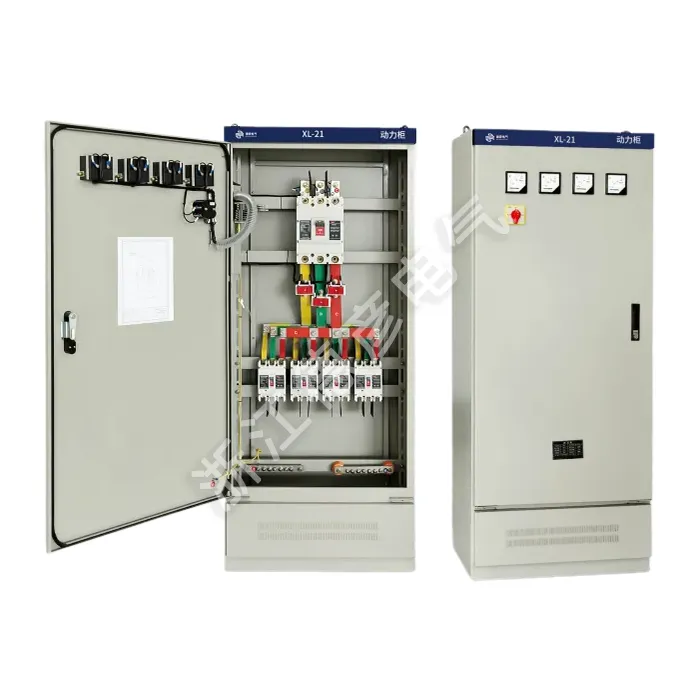
What Are the Most Frequent Electrical Failures in Power Transformers?
Electrical failures are among the most common issues in Power Transformers. They can result from insulation breakdown, winding short circuits, or overvoltage conditions. Insulation degradation occurs due to aging, moisture ingress, or prolonged exposure to thermal stress. Our design team carefully selects insulation materials that meet international standards and conduct routine testing to verify dielectric strength. For users, regular monitoring of insulation resistance, partial discharge, and oil quality is essential to prevent catastrophic failures.
Voltage surges and lightning strikes can also lead to electrical faults. Our engineers often recommend the use of surge arresters and grounding systems as protective measures. Additionally, correct transformer sizing and load balancing are essential preventive steps to avoid overcurrent conditions that could compromise winding integrity.
How Can Mechanical Failures Affect Power Transformer Performance?
Mechanical failures in Power Transformers are frequently caused by core deformation, loose windings, or structural fatigue. Vibrations from external sources or improper transportation can lead to coil displacement, which may cause internal short circuits. In our factory, we assemble each transformer with high-precision winding fixtures and conduct vibration tests to ensure stability. Customers often benefit from installing shock absorbers and vibration dampers when the transformer is placed in industrial environments.
Core assembly issues can reduce magnetic efficiency, resulting in increased losses and heating. Our engineers pay special attention to laminations alignment and clamping methods to minimize these risks. When users adopt proper installation practices and routine inspections, the likelihood of mechanical failure decreases significantly.
What Are Common Thermal Problems in Power Transformers?
Overheating is one of the leading causes of transformer failure. Excessive temperature can degrade insulation, accelerate aging, and cause oil deterioration. Our factory designs transformers with optimized cooling systems, including radiators, fans, and oil circulation pathways to maintain stable operating temperatures. For operators, monitoring oil temperature, ambient conditions, and load levels is crucial to prevent thermal stress.
Heat-related failures also occur due to overloading or uneven cooling. We recommend periodic thermal imaging inspections and load analysis to detect hotspots before they escalate. Proper ventilation and maintaining adequate spacing around the transformer contribute significantly to extending service life.
What Operational Practices Can Minimize Power Transformer Failures?
Human factors and operational practices play a major role in preventing transformer failures. Overloading, frequent switching, and irregular maintenance schedules can all contribute to degradation. Our engineering team recommends structured preventive maintenance programs, including periodic electrical testing, oil analysis, and thermal monitoring. These practices, combined with proper installation and operational training, significantly reduce failure risk.
Routine inspections and early detection are more effective than reactive repairs. Users who follow guidelines provided by our factory experience fewer unplanned outages and longer intervals between major maintenance cycles. Proper record keeping of operating parameters and load history also aids in predictive maintenance planning.
What Are the Critical Parameters of Power Transformers to Monitor?
Monitoring the correct parameters helps in early detection of potential failures. Voltage, current, temperature, oil quality, insulation resistance, and vibration levels are key indicators. At our factory, each power transformer is tested for these parameters before delivery. We provide technical guidance for installation sites to set up real-time monitoring systems, enabling operators to react promptly to anomalies.
The following table summarizes typical operational parameters and their recommended monitoring frequency for industrial transformers.
| Parameter | Recommended Range | Monitoring Frequency | Notes |
| Oil Temperature | Ambient + 50 degrees Celsius max | Continuous | Critical for avoiding thermal stress |
| Load Current | Within rated limits | Continuous | Overload increases risk of insulation failure |
| Insulation Resistance | Above 1 MΩ per kV rating | Monthly | Detects moisture and aging issues |
| Vibration Levels | Below 3 mm/s RMS | Quarterly | Ensures mechanical stability |
How Does Product Design Reduce Failure Rates in Power Transformers?
Design features such as high-quality core materials, reinforced windings, and efficient cooling systems directly influence reliability. Our factory focuses on optimizing these aspects during production to ensure consistent performance. By selecting superior grade insulation and using advanced assembly techniques, we reduce mechanical and thermal risks. Customers implementing these designs observe fewer faults and longer service life for their Power Transformers.
The table below presents key transformer specifications and their performance targets in our factory for reference.
| Specification | Typical Value | Performance Target | Notes |
| Rated Voltage | 110–220 kV | Stable operation under rated load | Ensures safe power distribution |
| Cooling Method | ONAN/ONAF | Maintain oil temperature below 90°C | Optimized for continuous operation |
| Insulation Class | F class | Withstand thermal and electrical stress | Prolongs service life |
| Load Loss | Below 1.5% | Minimized energy loss | Improves operational efficiency |
FAQ: What Common Failures Occur in Power Transformers and How to Prevent Them?
Q1: What causes insulation failure in Power Transformers?
Insulation failure is often caused by thermal aging, moisture ingress, and electrical surges. Regular testing of insulation resistance, monitoring oil quality, and avoiding overload conditions are effective preventive measures.
Q2: How can mechanical issues be detected early?
Mechanical problems such as core deformation or winding displacement can be detected through vibration analysis, visual inspections, and thermal imaging. Ensuring proper assembly and installing vibration dampers reduces the risk of mechanical failure.
Q3: What preventive measures help avoid thermal failures?
Thermal failures can be prevented by monitoring oil temperature, installing proper cooling systems, balancing loads, and scheduling regular maintenance. Using high-quality insulation and temperature-resistant materials also minimizes heat-related degradation.
Conclusion
Failures in Power Transformers can result from electrical, mechanical, thermal, and environmental factors. By understanding these risks and applying preventive strategies, industrial operators can significantly enhance reliability. Our team at Zhejiang Deyan Electric Co.,Ltd. develops high-performance Power Transformers with superior insulation, robust mechanical design, and efficient cooling systems. Our factory supports clients with installation guidance, monitoring recommendations, and tailored maintenance advice. If you are looking to reduce downtime, improve operational stability, and extend transformer life, contact our technical department today for expert consultation and solutions.