

What Is a Series Reactor and Why Is It Important in Modern Power Systems?
2026-03-11
In modern electrical power systems, ensuring stability, efficiency, and protection is essential for reliable operation. One of the key components used to achieve these goals is the Series Reactor. A Series Reactor is an inductive device installed in series with power circuits to limit fault currents, regulate voltage, and improve system stability. With the rapid expansion of power grids, renewable energy systems, and industrial automation, the demand for high-quality power control equipment continues to grow. Companies like Zhejiang Geyue Electric Technology Co., Ltd. have been actively developing advanced Series Reactor solutions that support safer and more efficient electrical infrastructure across industries.
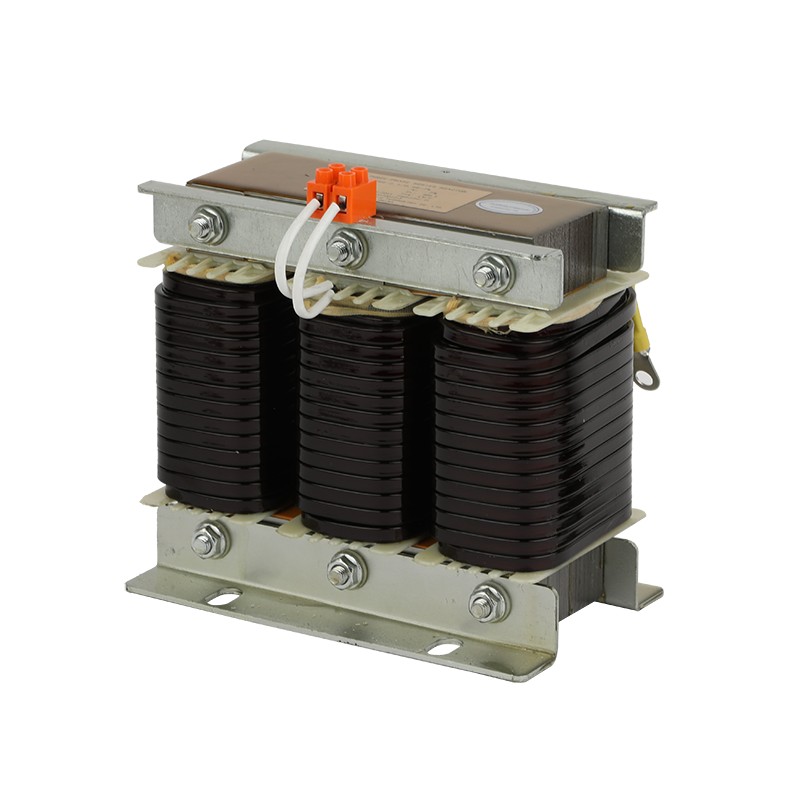
What Is a Series Reactor?
A Series Reactor is an electrical device with inductive reactance that is connected in series with transmission lines, capacitor banks, or other power system equipment. Its primary function is to control current flow and reduce excessive electrical stress on system components.
When current passes through a Series Reactor, the inductive impedance resists sudden changes in current. This characteristic helps stabilize the network and prevent damage caused by short circuits or switching operations.
Basic Working Principle
The operation of a Series Reactor is based on electromagnetic induction. When alternating current flows through the reactor coil, a magnetic field is generated, creating inductive reactance that opposes current variation.
Key electrical characteristic:
-
Inductive reactance increases with frequency
-
Current flow is controlled by the reactor impedance
-
Energy is temporarily stored in the magnetic field
Main Functions of a Series Reactor
Series Reactors play a vital role in ensuring electrical system reliability. Their functions can be summarized as follows:
1. Limiting Short-Circuit Current
During a fault condition, extremely high currents may flow through power equipment. A Series Reactor introduces additional impedance in the circuit, which effectively reduces fault current magnitude and protects transformers, circuit breakers, and cables.
2. Controlling Inrush Current
When capacitor banks or transformers are switched on, a large inrush current may occur. Series Reactors help suppress these transient currents, reducing stress on the system.
3. Improving Power System Stability
By adjusting line reactance, Series Reactors can improve voltage regulation and maintain power flow stability in transmission systems.
4. Harmonic Filtering Support
In systems with capacitor banks or power electronics, Series Reactors are often used together with filters to prevent harmonic resonance.
Typical Applications of Series Reactors
Series Reactors are widely used in many electrical systems and industries.
| Application Area | Function of Series Reactor |
|---|---|
| Power Transmission Lines | Control power flow and reduce fault current |
| Capacitor Banks | Limit switching surge current |
| Renewable Energy Systems | Stabilize grid connection |
| Industrial Power Distribution | Protect equipment from overload and faults |
| HV and MV Substations | Improve system reliability |
These applications demonstrate the importance of Series Reactors in both utility-scale and industrial electrical networks.
Types of Series Reactors
Different types of Series Reactors are designed to meet specific electrical requirements. Below are the most common categories:
Air Core Series Reactor
-
Uses air as the magnetic medium
-
No magnetic saturation
-
Suitable for high-current applications
Iron Core Series Reactor
-
Uses laminated iron core
-
Higher inductance with compact size
-
Common in medium voltage systems
Dry-Type Series Reactor
-
No oil insulation
-
Environmentally friendly
-
Low maintenance
Oil-Immersed Series Reactor
-
Oil provides insulation and cooling
-
Suitable for high-voltage systems
Each type has its own advantages depending on voltage level, current rating, and environmental conditions.
Series Reactor vs Shunt Reactor
Understanding the difference between a Series Reactor and a Shunt Reactor helps clarify their roles in power systems.
| Feature | Series Reactor | Shunt Reactor |
|---|---|---|
| Connection | Connected in series with circuit | Connected in parallel |
| Main Function | Limit current and control power flow | Absorb reactive power |
| Typical Application | Fault current limitation | Voltage control in long transmission lines |
| Location | Transmission lines, capacitor banks | Substations and power grids |
While both are inductive devices, their operational purposes are quite different.
Importance of High-Quality Series Reactors
The quality of a Series Reactor directly affects the reliability and safety of the entire power system. High-performance reactors provide several advantages:
-
Improved thermal stability
-
Lower power losses
-
Enhanced insulation reliability
-
Longer service life
-
Reduced maintenance costs
This is why utilities and industrial users prefer reliable manufacturers with strong engineering expertise.
Why Choose Zhejiang Geyue Electric Technology Co., Ltd.?
Zhejiang Geyue Electric Technology Co., Ltd. specializes in the design and manufacturing of high-performance power equipment, including Series Reactors for various voltage levels and industrial applications.
Key advantages include:
-
Advanced production technology
-
Strict quality control standards
-
Customizable reactor designs
-
Professional engineering support
-
Reliable performance in demanding environments
With years of experience in electrical equipment manufacturing, the company provides solutions that meet international technical standards and support modern power infrastructure development.
Future Development of Series Reactor Technology
As global power demand increases and renewable energy integration accelerates, Series Reactor technology continues to evolve. Future trends include:
-
Higher efficiency reactor materials
-
Compact modular designs
-
Smart monitoring systems
-
Improved thermal management technologies
These innovations will help power grids operate more efficiently and safely in increasingly complex electrical environments.
Conclusion
The Series Reactor is a critical component in modern electrical systems, playing a major role in current limitation, voltage regulation, and power system protection. From industrial facilities to large-scale power transmission networks, its presence ensures safe and stable operation. With advanced engineering and manufacturing capabilities, Zhejiang Geyue Electric Technology Co., Ltd. provides reliable Series Reactor solutions that support the growing demands of modern electrical infrastructure.
If you are looking for high-quality Series Reactor products or customized power solutions, contact us today to learn how our technology can support your electrical system needs. Our team is ready to provide professional guidance and reliable products tailored to your project requirements.