

What Is a Smart Storage Device and Why Does It Matter in Modern Industry?
2026-06-23
In today's fast-paced digital and industrial environment, data and physical resource management have become critical for operational efficiency. A Smart Storage Device is no longer just a passive container for information or materials—it is an intelligent system that integrates automation, sensing technology, connectivity, and data analytics to optimize storage, retrieval, and monitoring processes. From cloud data centers to industrial warehouses and even smart homes, this technology is reshaping how organizations handle storage challenges, reduce waste, and improve decision-making efficiency.
A Smart Storage Device typically combines IoT sensors, embedded processors, and cloud-based management systems. This allows real-time tracking of stored items, predictive maintenance, and automated inventory control. As industries move toward digital transformation, companies like Guangsheng Technology Wuxi Co., Ltd. are actively contributing to the development and integration of advanced storage solutions that improve both productivity and scalability.
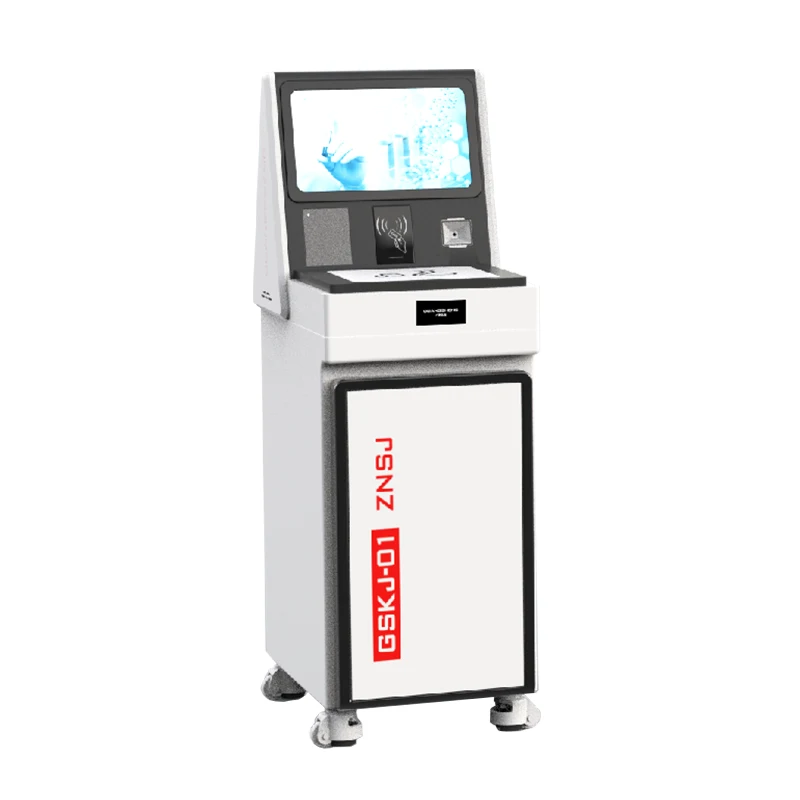
Core Functions of Smart Storage Device
A Smart Storage Device is designed to go beyond traditional storage by offering intelligent capabilities. Its main functions include:
- Real-time monitoring of inventory or data usage
- Automated sorting and retrieval systems
- Cloud synchronization and remote access
- Predictive maintenance alerts
- Energy-efficient operation and load balancing
These features help businesses minimize human error, reduce operational costs, and ensure higher system reliability.
Smart Storage Device vs Traditional Storage Systems
To better understand its advantages, the comparison below highlights key differences:
| Feature | Smart Storage Device | Traditional Storage System |
|---|---|---|
| Monitoring | Real-time IoT tracking | Manual inspection |
| Efficiency | Automated operations | Labor-dependent |
| Data Access | Cloud-based & remote | Local access only |
| Maintenance | Predictive alerts | Reactive repair |
| Scalability | Highly scalable | Limited flexibility |
As shown above, Smart Storage Device solutions provide a significant upgrade in efficiency and intelligence compared to conventional systems.
Key Benefits of Smart Storage Device
The adoption of Smart Storage Device technology brings multiple advantages across industries such as logistics, manufacturing, healthcare, and IT infrastructure.
1. Improved Operational Efficiency
Automation reduces manual handling and speeds up storage and retrieval processes.
2. Enhanced Data Accuracy
Real-time tracking ensures precise inventory records and minimizes discrepancies.
3. Cost Reduction
Lower labor costs, reduced waste, and optimized energy consumption lead to long-term savings.
4. Scalability and Flexibility
Systems can easily expand to meet growing business demands without major infrastructure changes.
5. Better Decision Making
Data analytics provide actionable insights for inventory planning and resource allocation.
Applications Across Industries
Smart Storage Device technology is widely used in multiple sectors:
- Logistics & Warehousing: Automated inventory management and fast order fulfillment
- Manufacturing: Smart component tracking and production material control
- Healthcare: Secure storage of medical supplies and pharmaceuticals
- IT & Data Centers: Efficient server and data storage optimization
- Retail: Smart shelf monitoring and stock replenishment systems
Each application benefits from improved accuracy, speed, and operational intelligence.
Challenges and Considerations
Despite its advantages, implementing Smart Storage Device systems may involve certain challenges:
- High initial investment costs
- Need for skilled technical personnel
- System integration with existing infrastructure
- Cybersecurity and data protection concerns
However, these challenges can be mitigated through proper planning and collaboration with experienced technology providers.
Why Smart Storage Device Is the Future
As global industries continue embracing automation and digital transformation, Smart Storage Device technology will play a central role in building efficient and sustainable systems. It not only enhances storage capabilities but also enables businesses to transition into data-driven operations. The integration of AI, IoT, and cloud computing ensures continuous improvement and long-term adaptability.
Companies like Guangsheng Technology Wuxi Co., Ltd. are at the forefront of this evolution, offering innovative storage technologies that align with modern industrial demands and global standards.
Summary of Key Features
- Intelligent automation
- Real-time monitoring
- Cloud connectivity
- Predictive maintenance
- High scalability
In conclusion, Smart Storage Device technology represents a major leap forward in how data and physical resources are managed. It provides efficiency, intelligence, and adaptability that traditional systems cannot match. Businesses that adopt this technology early will gain a strong competitive advantage in the evolving digital economy.
For more information about advanced Smart Storage Device solutions and customized industrial applications, please feel free to contact us today and explore how we can support your business growth.