

What Makes a European Type Substation the Smarter Choice for Modern Power Distribution?
2026-05-08
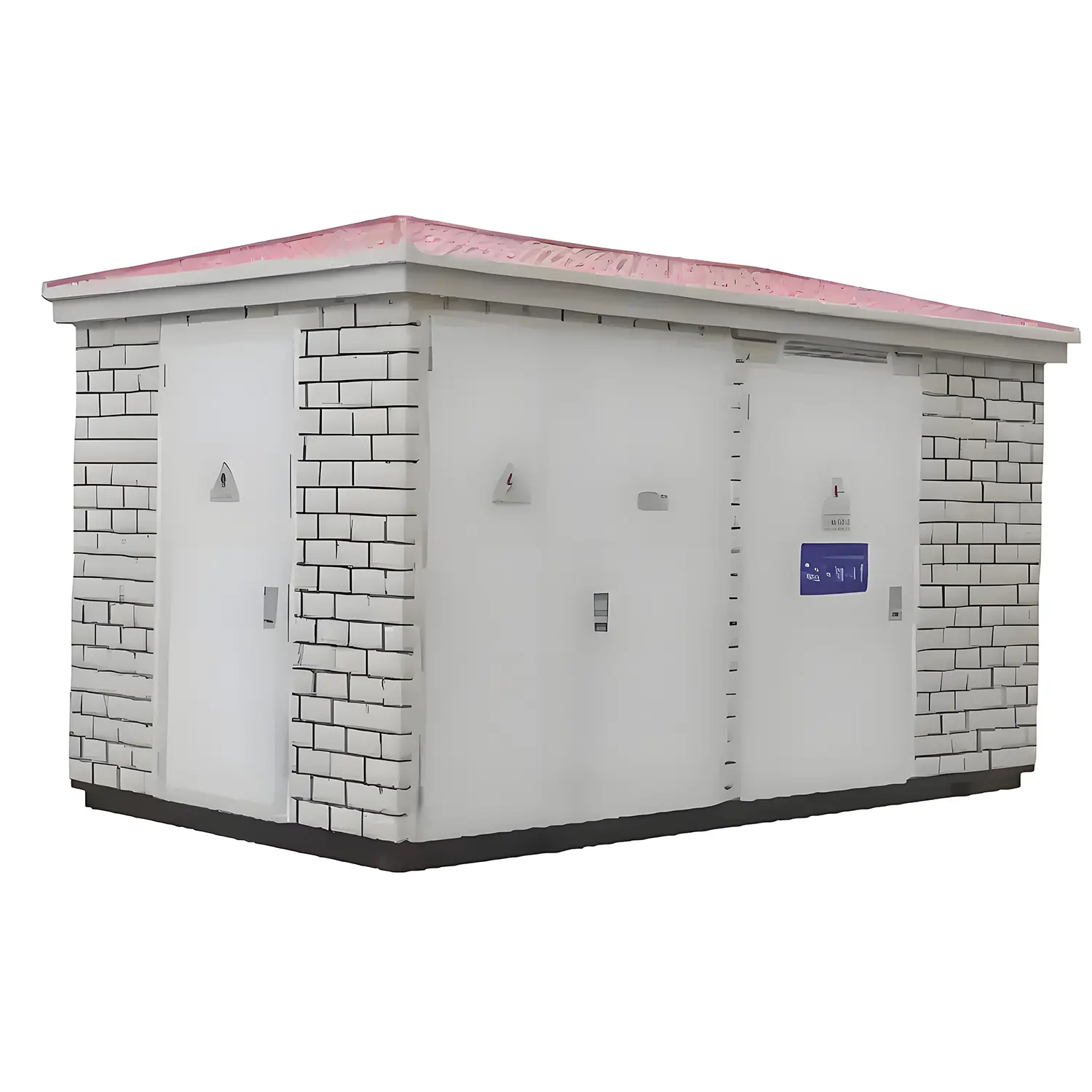
When I look at how distribution projects are changing, I see a clear shift toward equipment that saves space, simplifies installation, and reduces long-term operating pressure. That is exactly why Lugao Power Co.,Ltd gradually comes into the conversation when buyers, contractors, and project planners start comparing compact distribution solutions. In my view, a well-designed European Type Substation is not just a packaged product. It is a practical answer to the real problems people face on site, from limited installation space to schedule pressure, maintenance concerns, and the need for stable operation in changing environments.
Why Do So Many Buyers Struggle When Choosing a Distribution Solution?
I have noticed that many customers are not short of product options. What they are short of is confidence. They are often asked to choose between traditional site-built systems and pre-assembled units while balancing budget, footprint, safety, maintenance, and delivery time. On paper, many products look similar. In practice, the difference usually appears later, when the installation takes longer than expected, the layout wastes space, or routine maintenance becomes more complicated than the team planned for.
This is where a European Type Substation becomes easier to evaluate from a real project perspective. Instead of treating the substation as a collection of separate parts that need to be coordinated on site, I prefer to look at it as an integrated distribution solution. That shift matters because it reduces coordination risk and helps the buyer focus on outcomes rather than loose components.
- I can reduce on-site construction complexity
- I can shorten project delivery and commissioning cycles
- I can make equipment layout more predictable
- I can improve maintenance access through more organized internal arrangement
- I can support outdoor and urban installations where space is limited
How Does a European Type Substation Solve the Space Problem More Effectively?
Space is one of the first pain points I hear about from clients, especially in urban distribution networks, industrial parks, commercial developments, and renewable energy support projects. Land is expensive, civil works are time-sensitive, and bulky electrical systems create headaches long before the system goes live. A European Type Substation helps because it brings high-voltage equipment, transformer sections, and low-voltage distribution into a compact and coordinated enclosure.
From my perspective, this compactness is not only about saving square meters. It is also about making the project easier to plan. When the structure is more integrated, I can work with a clearer layout, a more controlled installation sequence, and fewer surprises during the final stages of deployment. That matters for EPC contractors, utility planners, and facility managers who do not want the electrical room or outdoor distribution point to become the slowest part of the schedule.
| Project Concern | Common Site Problem | How a European Type Substation Helps |
|---|---|---|
| Limited footprint | Traditional arrangement takes more area and requires more coordination | Compact integrated structure makes land use more efficient |
| Installation schedule | Too many separate components slow the process | Prefabricated design helps reduce field assembly pressure |
| Layout planning | Equipment placement is harder to standardize | Organized internal compartments improve planning consistency |
| Urban deployment | Large systems may be difficult to fit into developed areas | Compact station design is better suited for dense locations |
Which Advantages Matter Most When I Compare Long-Term Operating Costs?
Many buyers focus heavily on purchase price at the beginning, but I think the more useful question is what the system will cost over the next several years. The initial quote is only one part of the story. Maintenance workload, outage risk, replacement complexity, and service accessibility all affect the true cost of ownership.
A good European Type Substation supports lower operating pressure because the design is intended to keep the distribution system compact, orderly, and easier to inspect. I do not mean that maintenance disappears. No responsible supplier should pretend that. What I mean is that a more integrated structure often makes upkeep more manageable and helps site teams work more efficiently.
For buyers trying to justify procurement decisions internally, this point is important. A lower-friction design can support better lifecycle value, especially when the project involves multiple units, distributed installation points, or locations where service access is not especially convenient.
- Less dependence on complicated field assembly
- Better organization of electrical sections for inspection
- More convenient fit for standardized deployment plans
- Reduced pressure on civil engineering coordination
- Practical support for lower overall maintenance burden
What Should I Pay Attention to If Reliability Is My Top Priority?
Reliability is always where the conversation becomes serious. Buyers do not simply want a neat enclosure. They want confidence that the unit will perform steadily under daily operating conditions and remain manageable when exposed to outdoor temperature changes, dust, moisture, and routine electrical loads. In my experience, this is why serious customers look beyond appearance and focus on structure, material selection, internal compartment logic, and manufacturing consistency.
When I evaluate a European Type Substation, I pay attention to whether the design helps protect core electrical components, whether the internal layout supports safer operation, and whether the product is appropriate for the real environment where it will be used. Outdoor distribution equipment should never be chosen as if it were only a catalog image. It needs to match the field reality.
| Reliability Focus | Why It Matters to Me | Practical Value for the Buyer |
|---|---|---|
| Compartmentalized structure | It helps separate functional sections more clearly | Supports safer operation and easier management |
| Outdoor enclosure design | It affects resistance to environmental conditions | Improves suitability for external installation |
| Integrated assembly | It reduces mismatch between separate site-installed parts | Helps improve system consistency |
| Service accessibility | It influences inspection and maintenance efficiency | Reduces operational inconvenience over time |
Why Is Faster Installation Such a Big Deal for Real Projects?
I think this point is sometimes underestimated by people who are only comparing line-by-line specifications. In real projects, speed matters because delays affect more than one contractor. If the electrical package is late, commissioning shifts, labor schedules get disrupted, and the client starts asking harder questions. A European Type Substation is valuable because it supports a more streamlined installation path.
Instead of dealing with too many disconnected tasks on site, project teams can work with a more consolidated product approach. That helps reduce uncertainty and supports more predictable progress. For me, that is one of the strongest practical selling points, especially for clients who are under delivery pressure but still want a professional and durable distribution setup.
This advantage becomes even more important in the following situations:
- Projects with tight construction windows
- Remote or difficult installation locations
- Industrial expansions that cannot tolerate long power-related delays
- Commercial developments where opening schedules matter
- Infrastructure projects that need repeatable deployment
Is Customization Really Important or Do Most Buyers Need Standard Models?
In my experience, buyers often need both. Standardization is useful because it helps control cost and delivery expectations. At the same time, power distribution projects are rarely identical. Site conditions, voltage levels, capacity planning, switching arrangements, and local operating habits can all change the final specification. That is why flexibility still matters.
A strong supplier should be able to discuss the project clearly rather than forcing every buyer into a one-size-fits-all answer. I see value in a European Type Substation when it can align with the actual application instead of treating every installation as interchangeable. Buyers usually care about fit just as much as price, because poor fit becomes expensive later.
| Buyer Need | Why Standardization Helps | Why Customization Still Matters |
|---|---|---|
| Project budgeting | Standard structures improve quotation clarity | Custom adjustments avoid unsuitable overdesign or underdesign |
| Site conditions | Typical layouts speed up planning | Special environments may require adapted configurations |
| Operational habits | Common configurations are easier to compare | User-side preferences can affect maintenance and usage efficiency |
| Future expansion | Standard thinking keeps projects structured | Flexible design can better support long-term planning |
Which Applications Benefit Most From a European Type Substation?
I would not position this product as the answer to every power distribution problem, because serious buyers deserve a realistic discussion. What I can say is that a European Type Substation is especially attractive where compactness, integrated design, outdoor suitability, and installation efficiency are central concerns.
I find it particularly relevant in applications such as these:
- Urban power distribution points where land use must be controlled
- Industrial parks that need reliable medium- and low-voltage distribution support
- Commercial buildings and residential communities that need organized external distribution equipment
- Infrastructure projects where repeatable, compact deployment improves project management
- Energy and utility-related developments that value integrated outdoor solutions
In these scenarios, buyers are usually not looking for flashy language. They want stable design logic, practical installation benefits, and a supplier that understands project execution. That is why product positioning should stay grounded in real operating needs.
What Do I Think Buyers Should Compare Before Sending an Inquiry?
If I were comparing suppliers, I would not stop at appearance, general wording, or a low initial quote. I would compare how clearly the supplier explains the structure, how comfortably the product fits the intended use, and whether the overall solution sounds like it was built for real projects rather than just product listings.
Here is the comparison checklist I would actually use:
- Does the product structure match my installation environment?
- Is the layout suitable for the way my team operates and maintains equipment?
- Can the supplier discuss configuration in a practical and understandable way?
- Will the solution help me reduce field coordination pressure?
- Does the design support long-term operational convenience instead of only short-term purchase savings?
These questions help me avoid the most common procurement mistake, which is buying a product that looks acceptable in a brochure but creates avoidable friction after delivery.
Why Does the Right Supplier Matter Almost as Much as the Product Itself?
I do not separate product quality from supplier understanding. In power distribution projects, the product and the supplier are tied together. Even a well-positioned European Type Substation can become a difficult purchase if communication is vague, technical discussions are rushed, or the supplier does not understand how the unit will actually be used.
That is why I pay attention to how the company presents the solution, how logically the product is described, and whether the conversation stays focused on the buyer’s pain points. When a supplier can explain how compact design, installation efficiency, maintenance convenience, and application fit work together, I usually trust that discussion more than generic sales language.
From that angle, buyers who are exploring options related to European Type Substation solutions often want more than a catalog. They want a workable answer that aligns with project timing, site conditions, and long-term reliability expectations.
What Is the Real Reason More Buyers Are Moving Toward This Solution?
To me, the answer is simple. Buyers are under pressure to do more with less space, less time, and fewer avoidable risks. They want distribution equipment that is easier to plan, easier to install, and easier to manage over time. A European Type Substation fits that direction because it combines compact structure, practical deployment value, and strong application flexibility in one solution.
If you are reviewing options and want a distribution setup that supports project efficiency instead of adding hidden complications, this is the kind of solution worth serious consideration. If you would like to discuss your project requirements, operating environment, or preferred configuration in more detail, contact us today and leave your inquiry. The team at Lugao Power Co.,Ltd can help you explore a more suitable European Type Substation solution for your application.