
What Makes a Multifunction Meter Worth Choosing for Modern Power Monitoring?
2026-05-09
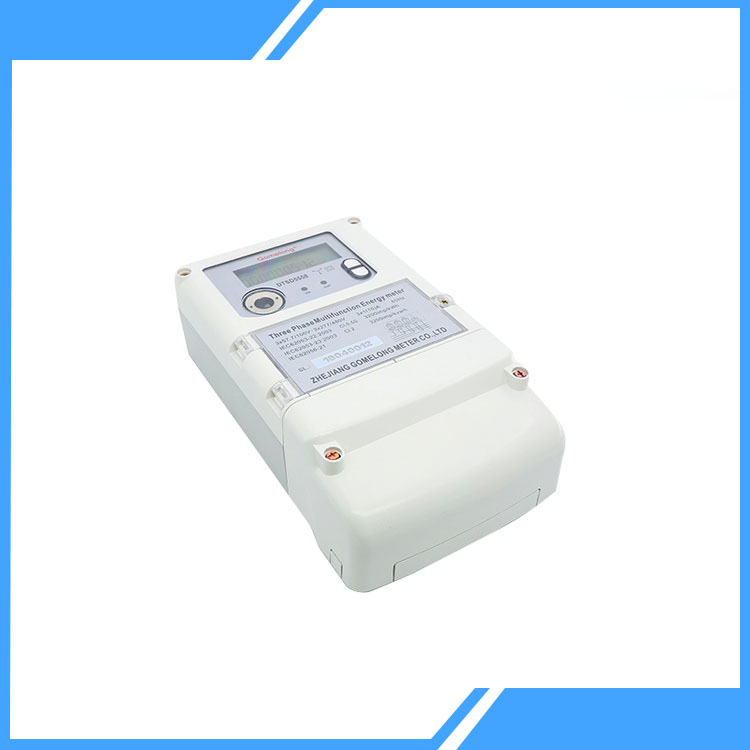
When I look at electrical projects today, I rarely see buyers asking for a meter that only records basic energy consumption. Most engineers, contractors, panel builders, and utility buyers want clearer data, easier communication, and a device that can support long-term operation without adding unnecessary complexity. That is why I paid attention to Zhejiang Gomelong Meter Co., Ltd. and its experience in developing the Multifunction Meter for three-phase power measurement, energy management, and industrial electrical monitoring.
In many projects, a meter is not just a small component inside a cabinet. It becomes the point where energy data, system safety, maintenance decisions, and cost control meet. If the meter cannot provide reliable readings, the whole power management process becomes harder. In this article, I want to explain how I evaluate a Multifunction Meter, what problems it helps solve, and why it matters for buyers who care about both technical performance and practical installation value.
Why Do Buyers Pay More Attention to Power Data Than Before?
I have noticed a clear change in the way many companies purchase electrical meters. In the past, some buyers only checked whether the product could record active energy. Now, they ask more detailed questions. Can the meter communicate with a system? Can it show real-time data? Can it support three-phase four-wire networks? Can it keep time records accurately? Can it continue working steadily for years?
These questions are practical, not theoretical. Factories, commercial buildings, charging facilities, distribution panels, and energy-saving projects all need accurate power information. Without reliable measurement, managers may only discover abnormal consumption after energy bills rise. Maintenance teams may miss early warning signs. Procurement teams may end up replacing meters too often because the first choice was too simple.
- I need active energy data to understand real consumption.
- I need stable communication to connect the meter with monitoring systems.
- I need long service life because electrical cabinets are not designed for frequent replacement.
- I need readable information for field technicians and remote operators.
- I need a product that fits actual grid conditions, not just ideal test conditions.
A well-designed Multifunction Meter helps answer these needs in one device, which is why it has become a common choice in power distribution and energy management projects.
What Should I Expect from a Multifunction Meter in Real Applications?
I do not judge a meter only by the name printed on the product page. The real value comes from how it performs after installation. A good Multifunction Meter should measure electricity accurately, support communication, store or display useful information, and remain stable under daily operating conditions.
For three-phase systems, accuracy and stability are especially important. Many industrial and commercial users work with 50Hz or 60Hz AC networks, and their load conditions may change throughout the day. If the meter cannot track energy use clearly, the data becomes less useful for billing analysis, energy audits, or equipment management.
| Buyer Concern | Practical Meaning | How a Multifunction Meter Helps |
|---|---|---|
| Energy visibility | Users need to know where electricity is being consumed. | It records key power and energy data for clearer monitoring. |
| System communication | Data should not stay only on the meter screen. | RS485 communication can support connection with monitoring platforms. |
| Time-based records | Operators may need accurate time and date information. | Real-time clock functions support better data organization. |
| Field maintenance | Technicians need easier reading and setting methods. | Infrared or handheld unit support can make operation more convenient. |
| Long-term operation | Replacement costs rise when meters fail too early. | A built-in lithium battery can support long service life for clock-related functions. |
Which Problems Can a Multifunction Meter Solve for Contractors and Panel Builders?
From the contractor’s point of view, a meter is valuable when it reduces trouble after installation. Nobody wants a project where the cabinet looks complete but the customer keeps calling because the meter cannot communicate, cannot display the expected data, or does not match the site’s electrical system.
A reliable Multifunction Meter can help contractors deliver a cleaner and more professional solution. It can be used in distribution boxes, control cabinets, energy monitoring systems, and other three-phase power applications where accurate measurement and communication are both needed.
I usually see the following pain points in real procurement:
- Unclear specifications because buyers may not know whether a basic meter is enough.
- Communication mismatch when the selected meter cannot connect with the planned system.
- Maintenance pressure when operators must manually collect readings from too many locations.
- Project delays caused by meters that do not match grid type or installation requirements.
- Weak data support when managers need energy analysis but only have simple consumption readings.
This is where I think a multifunction design makes sense. It gives project teams more room to work with current and future requirements. Instead of choosing a meter that only meets today’s minimum need, buyers can select a device that supports broader monitoring and management.
Is a Multifunction Meter Better Than a Basic Energy Meter?
I would not say every project needs the most complex meter. For small, simple applications, a basic energy meter may still be enough. But when a project involves three-phase measurement, remote data reading, industrial panels, commercial distribution, or long-term energy management, a Multifunction Meter usually provides stronger value.
The difference is not only about adding more functions. It is about giving users better control. When a facility manager can see useful power information, compare consumption over time, and connect data to a management system, electricity becomes easier to manage. That matters because energy cost is not a one-time expense. It repeats every month.
| Comparison Point | Basic Energy Meter | Multifunction Meter |
|---|---|---|
| Main purpose | Records basic energy consumption. | Measures energy and supports broader power monitoring. |
| Data use | Usually suitable for simple reading. | More suitable for analysis, system connection, and management. |
| Communication | May be limited or unavailable. | Can support RS485 or related reading methods depending on model. |
| Application range | Small or simple metering points. | Industrial, commercial, and three-phase power projects. |
| Long-term flexibility | Limited when project requirements grow. | Better for users who may expand monitoring functions later. |
If I were selecting meters for a project where future data management matters, I would rather choose a product with more practical functions from the beginning. Retrofitting later often costs more than choosing properly at the procurement stage.
What Features Should I Check Before Buying a Multifunction Meter?
Before I recommend or purchase a Multifunction Meter, I prefer to check the product from several angles. Price matters, of course, but the lowest price does not always reduce the total project cost. A meter that causes communication problems, reading errors, or replacement work can become more expensive in the long run.
Here is the checklist I would use when comparing suppliers and models:
- Grid compatibility including whether the meter matches three-phase four-wire AC networks.
- Frequency support such as 50Hz or 60Hz use in different markets.
- Communication method including RS485 or infrared reading support when required.
- Clock and date function for projects that need time-related records or system alignment.
- Battery design because clock-related functions may rely on stable backup power.
- Manufacturing experience since electrical meters require consistency, accuracy, and quality control.
- Supplier response because clear technical communication can prevent wrong model selection.
In my view, buyers should not treat technical confirmation as a formality. A short conversation before ordering can prevent many problems after delivery. The right supplier should be able to explain product use, application range, and customization possibilities in a clear way.
How Does Communication Function Improve Daily Energy Management?
Manual meter reading still works in some places, but it is not efficient for larger systems. If a facility has many electrical cabinets or distributed metering points, manual reading takes time and creates room for mistakes. That is why communication function has become one of the key reasons buyers choose a Multifunction Meter.
RS485 communication is widely used in industrial and building electrical systems because it allows meters to transmit data to a central system. When the meter can communicate with monitoring software or a data collection device, operators can reduce field work and improve data accuracy.
I see three direct benefits:
- Faster data access because operators do not need to check every meter manually.
- Better energy analysis because data can be collected regularly and compared over time.
- Easier fault awareness because abnormal data can be noticed earlier when monitoring is systematic.
This does not mean communication alone makes a meter excellent. The meter still needs accurate measurement, stable hardware, and proper installation. But communication turns the meter from a passive reading device into part of an active energy management system.
Why Should Long Service Life Matter in Meter Selection?
Some buyers focus heavily on the first purchase price and overlook service life. I understand the pressure to control budgets, but electrical meters are usually installed inside cabinets, panels, or metering boxes where replacement is not always convenient. A meter with poor stability can create labor costs, downtime, and customer complaints.
A good Multifunction Meter should be built for long-term operation. For example, a real-time clock and date function becomes more useful when supported by a dependable internal battery design. If a meter is expected to support records, communication, and daily readings over many years, its internal components must be considered carefully.
I also value suppliers that have long-term manufacturing experience. Meter production is not only assembly. It involves design control, calibration, testing, production consistency, and after-sales communication. This is one reason buyers often prefer manufacturers that focus on energy meters rather than general trading companies with limited technical depth.
Do Industrial and Commercial Users Need Different Meter Priorities?
Yes, and this is where a flexible product range becomes useful. Industrial users usually care more about load changes, three-phase stability, cabinet integration, and system communication. Commercial users may pay closer attention to energy cost allocation, tenant billing support, and easy maintenance. Utility-related projects may have stricter expectations for accuracy, durability, and reading methods.
| Application Area | Main Buyer Need | Meter Value |
|---|---|---|
| Industrial factories | Monitor equipment and production-related energy use. | Helps track power data across key operating areas. |
| Commercial buildings | Manage electricity use for floors, shops, or tenants. | Supports clearer energy allocation and reporting. |
| Distribution cabinets | Integrate metering into electrical control systems. | Provides compact and practical monitoring support. |
| Energy management systems | Collect data for analysis and optimization. | Communication functions make data easier to centralize. |
| Infrastructure projects | Require durable and stable electrical measurement. | Long-term meter reliability supports project operation. |
This is why I prefer to understand the project scenario before choosing a model. The best meter is not always the one with the longest function list. It is the one that fits the site, the system, and the buyer’s future plan.
Which Supplier Qualities Make a Multifunction Meter Purchase Safer?
Product features matter, but supplier capability matters just as much. When I evaluate a meter manufacturer, I look beyond the product image. I want to know whether the company understands meter applications, whether it can provide consistent production, and whether it can support customers with clear technical communication.
For buyers comparing overseas suppliers, the following points are worth checking:
- Focused product category because energy meter manufacturing requires specialized experience.
- Stable production process because consistency matters in large or repeat orders.
- Technical communication because buyers need help matching the meter to the actual project.
- Customization awareness because different markets may have different installation or reading needs.
- Export service mindset because international buyers need clear quotation, delivery, and documentation support.
Zhejiang Gomelong Meter Co., Ltd. has built its product line around electric meters, including multifunction meters, DIN rail meters, prepaid electricity meters, single phase meters, three phase meters, and digital power meters. For buyers, this kind of focused product structure can make communication easier because the supplier is not treating meters as a random side product.
How Can a Multifunction Meter Support Better Purchasing Decisions?
Purchasing decisions become easier when the buyer can connect product features with real business value. A Multifunction Meter is not only about measurement. It can support better electricity cost control, improve maintenance visibility, and make system data more usable.
When I explain this to a buyer, I usually frame it in simple terms:
- If you only need a number on a display, a basic meter may work.
- If you need data that supports management, choose a multifunction model.
- If the project may expand later, choose a meter with communication capability.
- If replacement is difficult, pay attention to durability and supplier reliability.
- If your team needs remote reading, confirm the communication method before ordering.
This approach helps prevent overbuying and underbuying. Overbuying wastes budget on unnecessary functions. Underbuying creates technical limits that may appear only after installation. The right choice sits between these two mistakes.
What Makes Zhejiang Gomelong Meter Co., Ltd. Relevant for Multifunction Meter Buyers?
I would consider Zhejiang Gomelong Meter Co., Ltd. relevant because the company works directly in the electrical meter field and offers products for multiple metering scenarios. Its multifunction meter range is designed for users who need more than simple consumption recording, especially in three-phase electrical environments where communication, time setting, and reliable measurement can improve daily operation.
The company’s Multifunction Meter products are suitable for buyers looking for practical power measurement equipment rather than decorative technical claims. Features such as real-time clock and date support, RS485 or infrared-related setting options, built-in lithium battery design, and three-phase four-wire measurement capability are all connected to actual user needs.
I also like that the product direction is easy to understand. It is not trying to sound complicated just for the sake of sounding advanced. The value is clear. Buyers can use the meter to measure power consumption, support data communication, and improve electrical monitoring in industrial and commercial environments.
How Should I Choose the Right Multifunction Meter for My Project?
My advice is to start from the project, not from the catalog. Before choosing a Multifunction Meter, I would prepare the basic project information first. This makes supplier communication faster and helps avoid wrong recommendations.
| Information to Prepare | Why It Matters |
|---|---|
| Single-phase or three-phase system | The meter must match the electrical network type. |
| Voltage and current requirements | Correct electrical parameters help ensure safe selection. |
| 50Hz or 60Hz frequency | Different markets may use different power frequencies. |
| Communication requirement | RS485 or other reading needs should be confirmed early. |
| Installation environment | Cabinet space, wiring, and operation conditions affect model choice. |
| Order quantity and customization needs | These details help the supplier provide a more accurate quotation. |
Once these details are clear, it becomes much easier to choose the right model. A professional supplier can then recommend suitable specifications instead of giving a general answer that may not fit the site.
Why Do I See Multifunction Meter Demand Growing in Energy Projects?
I see demand growing because electricity management is becoming more data-driven. Companies want to know how energy is used, where waste happens, and how electrical systems perform over time. A simple meter can tell part of the story, but a multifunction model can provide a more useful foundation for decision-making.
This trend is especially clear in factories, smart buildings, renewable energy support systems, commercial complexes, and electrical distribution projects. As buyers pay more attention to energy efficiency and maintenance planning, the meter becomes more important than before.
A practical Multifunction Meter gives users a better way to connect field measurement with management needs. It helps turn electrical data into information that can be checked, compared, and used.
What Is My Final View on Choosing a Multifunction Meter?
If I were choosing a meter for a serious electrical project, I would not stop at the cheapest option or the most basic function. I would look for a product that can measure accurately, communicate reliably, support long-term use, and come from a supplier that understands real power monitoring applications.
A Multifunction Meter is valuable because it helps buyers solve several problems at the same time. It supports accurate electricity measurement, improves access to useful data, reduces manual reading pressure, and gives projects more flexibility for future energy management. For contractors, distributors, and end users, that combination can make the purchasing decision more secure.
If you are comparing multifunction meter options for an industrial, commercial, or power distribution project, Zhejiang Gomelong Meter Co., Ltd. can help you review the right specifications and select a suitable solution. Leave your inquiry today or contact us to get product details, pricing information, and technical support for your next metering project.