

What Makes a Water Heater Thermostat Essential for Reliable Temperature Control?
2026-10-26
A reliable hot water supply is essential for residential comfort, commercial facilities, and various industrial applications. Behind consistent water heating performance is a small but important component: the Water Heater Thermostat. By monitoring water temperature and controlling the heating cycle, it helps maintain the desired temperature, reduce unnecessary energy consumption, and support safe operation. For water heater manufacturers, distributors, and component buyers, selecting a suitable thermostat is an important step toward improving product reliability and customer satisfaction. Ningbo Ram Electric Material Co., Ltd. focuses on electric heating components and provides solutions for manufacturers seeking dependable temperature control components for their applications.
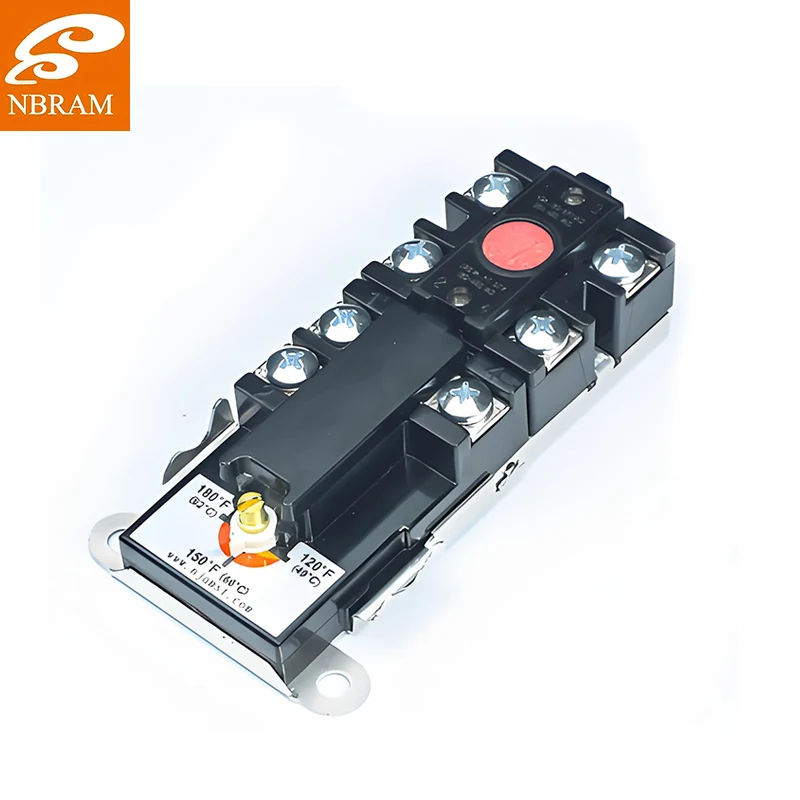
How Does a Water Heater Thermostat Work?
A Water Heater Thermostat is designed to detect temperature changes and regulate the operation of a water heater. When the water temperature falls below the preset level, the thermostat activates the heating system. Once the target temperature is reached, it interrupts the heating cycle to prevent continued heating.
This automatic process helps maintain a more consistent hot water supply without requiring constant manual adjustment. Depending on the water heater design, the thermostat may control an electric heating element directly or work with other control components.
Its basic operating process includes:
-
Temperature sensing: Detects changes in the water heater's temperature.
-
Heating activation: Signals the heating element or heating system when additional heat is required.
-
Temperature regulation: Stops the heating cycle when the preset temperature is reached.
-
Safety support: Works with appropriate high-limit protection to help reduce overheating risks.
A properly matched thermostat helps the water heater operate more predictably, making it an essential component in modern temperature control systems.
Why Is a Water Heater Thermostat Important?
1. Maintaining Consistent Hot Water
Unstable water temperatures can affect everyday activities, including bathing, cleaning, and washing. A Water Heater Thermostat helps regulate heating cycles so the water heater can maintain a suitable temperature range.
For manufacturers, dependable temperature regulation can improve the overall user experience and help reduce complaints associated with inconsistent hot water performance.
2. Supporting Energy Efficiency
Heating water unnecessarily can increase energy consumption and operating costs. By switching the heating system on and off according to temperature requirements, a thermostat helps avoid continuous heating when it is not needed.
Although actual energy savings depend on insulation, usage patterns, heater design, and temperature settings, accurate temperature control can contribute to more efficient system operation.
3. Helping Protect Equipment
Excessive temperatures can place additional stress on water heater components. A suitable thermostat helps control normal heating cycles, while a separate high-limit safety device can interrupt operation when abnormal overheating occurs.
These functions serve different purposes. Correct component selection, installation, and maintenance are essential for dependable performance and safe operation.
Which Water Heater Thermostat Should Manufacturers Choose?
Different water heaters require different temperature control solutions. Before selecting a Water Heater Thermostat, buyers should consider the equipment's electrical specifications, operating temperature range, installation structure, and intended application.
| Selection Factor | What Buyers Should Check |
|---|---|
| Voltage and current | Compatibility with the electrical system and heating load |
| Temperature range | Suitability for the required operating conditions |
| Switching performance | Reliable response during repeated heating cycles |
| Installation design | Compatibility with the heater's mounting structure |
| Safety features | Appropriate protection against abnormal temperatures |
| Product quality | Consistency, durability, and applicable compliance requirements |
Choosing a thermostat based only on appearance or price may lead to compatibility problems. Manufacturers should verify technical specifications and application requirements before placing bulk orders.
Where Are Water Heater Thermostats Commonly Used?
Water Heater Thermostats are used in various water heating systems where automatic temperature regulation is required.
Common applications include:
-
Residential water heaters: Support everyday domestic hot water requirements.
-
Commercial water heating equipment: Help regulate hot water systems in hotels, offices, and other facilities.
-
Electric storage water heaters: Control heating elements according to preset temperature requirements.
-
Water heating equipment manufacturing: Serve as essential control components in assembled heating products.
The specific thermostat design depends on the equipment configuration. Buyers should confirm whether the component is intended for a single-element or dual-element electric water heater and ensure that its ratings match the application.
What Should Buyers Know About Quality and Reliability?
For B2B buyers, thermostat quality affects more than the performance of an individual component. It can also influence assembly efficiency, product consistency, after-sales service requirements, and long-term customer confidence.
When evaluating suppliers, manufacturers and distributors should pay attention to several factors:
-
Technical compatibility: Confirm that product specifications match the intended water heater.
-
Manufacturing consistency: Look for stable production quality and clearly defined inspection procedures.
-
Safety and compliance: Verify relevant testing documentation and applicable market requirements.
-
Supply capability: Evaluate production capacity, lead times, and the supplier's ability to support repeat orders.
-
Technical communication: Choose a supplier that can clearly explain specifications and help identify suitable components.
A reliable sourcing process can help buyers reduce avoidable procurement risks and maintain consistent product standards across production batches.
Why Consider Ningbo Ram Electric Material Co., Ltd.?
Ningbo Ram Electric Material Co., Ltd. serves customers looking for electric material and heating-related components. For water heater manufacturers, component distributors, and OEM buyers, establishing clear technical requirements is an important part of finding a suitable Water Heater Thermostat.
When evaluating products for your application, consider compatibility, temperature control requirements, electrical ratings, and quality documentation. These details help ensure that the selected component meets the needs of your equipment and target market.
Whether you are developing a new water heater, sourcing replacement components, or evaluating options for bulk procurement, communicating your technical requirements early can make the selection process more efficient.
Conclusion: Make Temperature Control a Priority
A Water Heater Thermostat plays an important role in regulating heating cycles, maintaining a suitable water temperature, and supporting efficient equipment operation. Selecting the right component requires careful attention to electrical ratings, temperature range, installation requirements, and safety considerations.
For manufacturers and distributors, working with a suitable component supplier can help simplify sourcing and support consistent product quality. Contact us at Ningbo Ram Electric Material Co., Ltd. to discuss your water heater component requirements, explore suitable product options, and learn more about solutions for your application.