
What Makes Lithium Polymer Battery a Better Choice for Modern Portable Devices?
2026-09-02
Article Summary:
Lithium Polymer Battery technology has become one of the most important rechargeable power solutions for modern electronic products. From wearable devices and medical equipment to drones, smart terminals, and portable energy systems, manufacturers require batteries that are lightweight, flexible, safe, and capable of delivering stable performance. This article explains how Lithium Polymer Battery technology works, why it solves common power challenges, and how businesses can select the right battery solution for their applications.
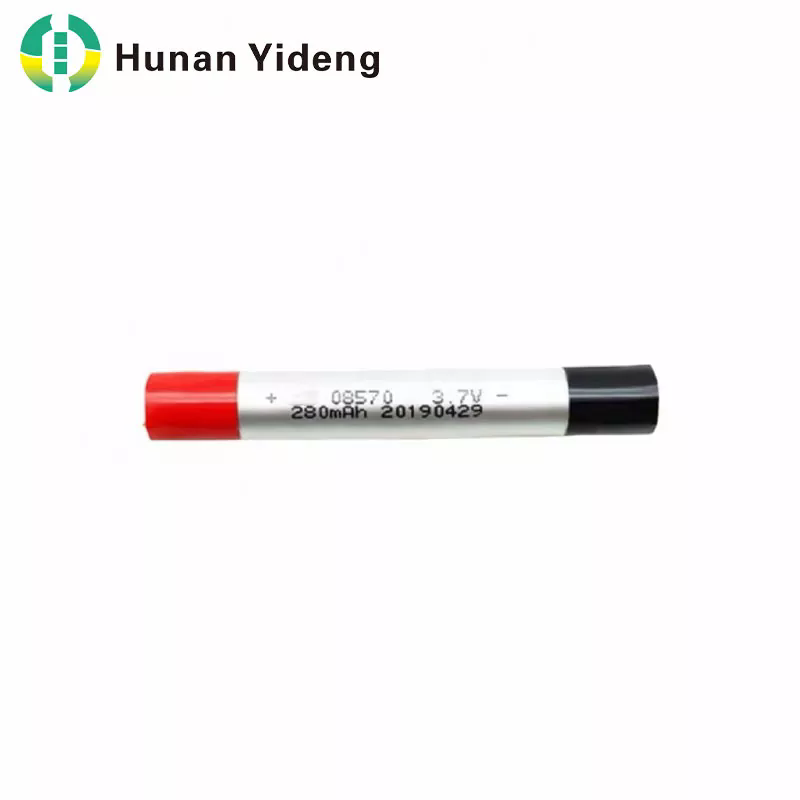
With advanced manufacturing capabilities and customized battery solutions, Yideng provides reliable lithium polymer battery products designed for different industries. Understanding battery structure, advantages, applications, and selection methods can help product developers reduce design risks and improve overall device performance.
Table of Contents
- What Is a Lithium Polymer Battery?
- How Does Lithium Polymer Battery Technology Work?
- Why Choose Lithium Polymer Battery?
- Lithium Polymer Battery Compared with Other Battery Types
- Where Are Lithium Polymer Batteries Used?
- How to Select the Right Lithium Polymer Battery?
- How Yideng Ensures Lithium Polymer Battery Quality?
- Frequently Asked Questions About Lithium Polymer Battery
What Is a Lithium Polymer Battery?
A Lithium Polymer Battery is a rechargeable battery that uses a polymer-based electrolyte instead of traditional liquid electrolyte technology. This structure allows manufacturers to create thinner, lighter, and more flexible battery designs while maintaining high energy efficiency.
Unlike conventional rigid battery designs, lithium polymer cells usually adopt a soft pouch structure. This design provides greater freedom for engineers who need batteries that can fit into compact or uniquely shaped electronic products. For devices where internal space is limited, such as smart watches, wireless headphones, medical monitors, and IoT equipment, Lithium Polymer Battery solutions provide significant advantages.
Modern lithium polymer batteries combine high energy density, stable voltage output, low self-discharge characteristics, and customizable dimensions. These features make them suitable for manufacturers developing next-generation portable products.
| Feature | Description | Customer Benefit |
|---|---|---|
| Polymer Electrolyte Design | Uses polymer-based electrolyte materials to improve structural flexibility. | Supports thinner and customized battery designs. |
| Soft Pouch Structure | Flexible aluminum laminate packaging instead of heavy metal casing. | Reduces product weight and saves installation space. |
| High Energy Density | Stores more energy within a smaller volume. | Extends device operating time. |
| Custom Manufacturing | Available in different sizes, shapes, capacities, and connectors. | Helps manufacturers optimize product design. |
How Does Lithium Polymer Battery Technology Work?
A Lithium Polymer Battery operates through the movement of lithium ions between the positive electrode and negative electrode during charging and discharging cycles. When charging, lithium ions move from the cathode to the anode and are stored inside the battery structure. During discharge, these ions move back to the cathode, releasing electrical energy that powers the connected device.
The internal structure normally includes several key components:
- Positive Electrode: Stores and releases lithium ions during battery operation.
- Negative Electrode: Receives lithium ions during charging.
- Polymer Electrolyte: Provides a pathway for lithium ion movement.
- Separator: Prevents direct contact between electrodes while allowing ion transfer.
- Pouch Packaging: Protects internal components while maintaining lightweight construction.
The combination of these components allows Lithium Polymer Battery technology to deliver stable power output while maintaining a compact structure. This is especially important for manufacturers facing challenges such as limited product space, increasing customer expectations for longer battery life, and demand for lightweight designs.
Why Choose Lithium Polymer Battery?
Many product developers choose Lithium Polymer Battery technology because traditional battery formats cannot always meet modern device requirements. Consumers expect smaller devices with longer operating times, while manufacturers need reliable batteries that support flexible product development.
| Challenge | Traditional Battery Limitation | Lithium Polymer Battery Solution |
|---|---|---|
| Limited Product Space | Rigid structures restrict internal design. | Flexible shapes allow better space utilization. |
| Weight Reduction | Metal casing increases overall weight. | Soft pouch design reduces unnecessary weight. |
| Longer Runtime | Lower energy density limits operation time. | Higher energy density supports longer usage. |
| Customized Products | Standard sizes may not fit special devices. | OEM customization supports unique requirements. |
Key Advantages of Lithium Polymer Battery
- Lightweight Construction: The soft pouch structure reduces battery weight, making it ideal for portable electronics.
- Flexible Shape Options: Manufacturers can develop batteries in different dimensions according to product requirements.
- High Energy Efficiency: More energy can be stored in a compact package, improving device endurance.
- Low Self-Discharge: Batteries maintain stored power effectively during periods of non-use.
- Stable Performance: Consistent discharge characteristics support reliable device operation.
- OEM Customization: Battery capacity, size, connector, protection circuit, and packaging can be adjusted.
Lithium Polymer Battery Compared with Other Battery Types
| Battery Type | Energy Density | Design Flexibility | Main Limitation |
|---|---|---|---|
| Lithium Polymer Battery | High | Excellent | Requires professional battery management. |
| Nickel Metal Hydride Battery | Medium | Low | Heavier and larger design. |
| Lead Acid Battery | Low | Poor | Large size and heavy weight. |
| Traditional Lithium Ion Battery | High | Limited | Usually requires fixed shapes. |
Compared with other rechargeable battery technologies, Lithium Polymer Battery provides a better balance between energy density, weight, and design flexibility. This makes it especially valuable for industries where every millimeter and gram matters.
Where Are Lithium Polymer Batteries Used?
Lithium Polymer Battery technology has become widely adopted across multiple industries because modern products increasingly require compact size, lightweight structures, and dependable energy performance. From consumer electronics to industrial equipment, lithium polymer solutions help manufacturers create more efficient and user-friendly products.
The flexible design and customizable characteristics of Lithium Polymer Battery make it suitable for applications where traditional batteries cannot provide enough design freedom.
| Industry | Application Examples | Why Lithium Polymer Battery Is Suitable |
|---|---|---|
| Consumer Electronics | Smartphones, tablets, smart watches, wireless headphones | Provides lightweight design and longer operating time. |
| Medical Equipment | Portable monitors, wearable medical devices, diagnostic tools | Supports compact structures and stable power supply. |
| Drone and Robotics | Unmanned aerial vehicles, robotic systems, smart devices | Offers high energy density with reduced weight. |
| IoT Equipment | Smart sensors, connected terminals, tracking devices | Enables small-size battery integration. |
| Industrial Products | Portable instruments and intelligent control devices | Provides reliable rechargeable energy solutions. |
For manufacturers, choosing the right battery technology directly affects product reliability, user experience, and market competitiveness. A properly designed Lithium Polymer Battery can help reduce product thickness, improve portability, and extend operational cycles.
How to Select the Right Lithium Polymer Battery?
Selecting a suitable Lithium Polymer Battery requires careful consideration of application requirements, operating conditions, and product design goals. Choosing only based on battery capacity may lead to performance issues if other factors are ignored.
Important Factors to Consider
- Battery Capacity: Capacity determines how much electrical energy the battery can store. Products requiring longer operating time usually need higher-capacity solutions.
- Voltage Requirement: The battery voltage must match the device's electrical system to ensure safe and stable operation.
- Physical Dimensions: The battery size and shape should fit the available installation space inside the product.
- Discharge Rate: High-power applications may require batteries capable of providing higher current output.
- Charging Performance: Charging speed, charging cycles, and battery management functions influence long-term usability.
- Safety Protection: Protection circuits and quality control processes help prevent overcharging, over-discharging, and abnormal conditions.
| Selection Requirement | Recommended Consideration |
|---|---|
| Compact Electronic Devices | Choose thin and lightweight Lithium Polymer Battery designs. |
| High Power Equipment | Select batteries with suitable discharge capability. |
| Long-Term Operation Products | Focus on cycle life and stable charging performance. |
| Customized Industrial Applications | Work with experienced manufacturers for tailored solutions. |
Working with a professional battery supplier can significantly reduce development risks. Experienced manufacturers can provide technical support regarding battery structure, capacity calculation, safety requirements, and customized production.
How Yideng Ensures Lithium Polymer Battery Quality?
Battery quality directly influences product safety, reliability, and customer satisfaction. Yideng focuses on providing Lithium Polymer Battery solutions that meet different application requirements through strict production management and continuous improvement.
A reliable lithium polymer battery manufacturer should consider every stage of the battery production process, including material selection, cell manufacturing, assembly, testing, and quality inspection.
| Quality Control Stage | Purpose |
|---|---|
| Raw Material Inspection | Ensures battery materials meet required performance standards. |
| Cell Manufacturing Control | Maintains consistent battery performance during production. |
| Electrical Testing | Checks capacity, voltage, charging, and discharge performance. |
| Safety Evaluation | Reduces risks caused by abnormal operating conditions. |
| Final Product Inspection | Ensures finished batteries meet customer specifications. |
Yideng understands that different industries have different battery requirements. Whether customers need customized dimensions, specific capacity levels, or application-focused battery designs, professional technical support can help achieve better results.
What Problems Can Lithium Polymer Battery Solve for Businesses?
Many product manufacturers face challenges such as limited internal space, increasing power demands, and strict weight requirements. Lithium Polymer Battery technology provides practical solutions to these common problems.
-
Problem: Product designs are becoming smaller.
Solution: Flexible battery structures allow better use of limited internal space. -
Problem: Users expect longer battery life.
Solution: Higher energy density provides longer operating periods. -
Problem: Standard batteries cannot match unique designs.
Solution: Customized battery sizes and specifications support specialized products. -
Problem: Portable products require lighter components.
Solution: Soft pouch construction reduces unnecessary weight.
By selecting the appropriate Lithium Polymer Battery solution, businesses can improve product design flexibility while meeting modern market expectations.
Future Development Trends of Lithium Polymer Battery
As electronic products continue to evolve, battery technology must provide higher efficiency, improved safety, and greater adaptability. Lithium Polymer Battery development is moving toward improved energy density, faster charging capabilities, longer cycle life, and smarter battery management systems.
Future applications in wearable technology, smart transportation, automation equipment, and portable medical solutions will continue increasing demand for advanced lithium polymer battery solutions.
Manufacturers that adopt reliable battery technology early can create products with better performance and stronger market competitiveness.
Frequently Asked Questions About Lithium Polymer Battery
What is the lifespan of a Lithium Polymer Battery?
The lifespan of a Lithium Polymer Battery depends on usage conditions, charging methods, operating temperature, and battery management systems. Under proper conditions, many lithium polymer batteries can support hundreds of charge and discharge cycles while maintaining stable performance.
Why is Lithium Polymer Battery widely used in portable devices?
Lithium Polymer Battery is popular because it combines lightweight construction, high energy density, and flexible design options. These advantages make it suitable for devices where size and weight are important factors.
Can Lithium Polymer Battery be customized?
Yes. Lithium Polymer Battery products can usually be customized according to capacity, voltage, dimensions, connector type, and application requirements. Customized solutions help manufacturers achieve better product integration.
Is Lithium Polymer Battery safe?
When produced and used correctly with appropriate protection systems, Lithium Polymer Battery provides reliable and safe performance. Quality manufacturing processes and proper battery management are important for maintaining safety.
How should Lithium Polymer Battery be maintained?
Proper charging habits, avoiding extreme temperatures, preventing deep discharge, and using suitable charging equipment can help extend battery service life.
Conclusion
Lithium Polymer Battery technology provides an effective solution for modern products requiring lightweight design, high energy efficiency, and flexible installation options. Its advantages make it valuable for consumer electronics, medical devices, industrial equipment, and intelligent products.
For companies looking for dependable battery solutions, selecting an experienced manufacturer is essential. Yideng focuses on developing reliable Lithium Polymer Battery products that support different application needs with professional manufacturing capabilities and customized services.
Whether you need a standard battery solution or a customized design for your next project, Yideng can provide professional support and suitable lithium polymer battery solutions. Contact us today to discuss your requirements and discover how our battery technology can help improve your products.