

Which Distribution Transformer Helps Me Keep Power Projects Stable Without Overspending?
2026-05-12
When I evaluate electrical equipment for a commercial site, industrial facility, residential compound, or utility-side distribution project, I do not look at price alone. I look at whether the equipment can carry daily load safely, reduce avoidable losses, simplify installation, and keep the project running with fewer service interruptions. That is why I pay close attention to experienced manufacturers such as Conso Electrical Science and Technology Co., Ltd., a company involved in medium-voltage electrical distribution equipment, while choosing a reliable Distribution Transformer for practical field use.
A Distribution Transformer may look like one part of a larger power system, but in real operation, it often decides whether the entire low-voltage side receives stable and usable electricity. If the transformer is poorly selected, the buyer may face overheating, voltage fluctuation, energy waste, noise complaints, unexpected maintenance, and replacement costs far earlier than planned. From my perspective, the best transformer is not simply the largest or the cheapest one. It is the one that matches the load profile, installation environment, efficiency target, voltage requirement, and long-term maintenance plan.
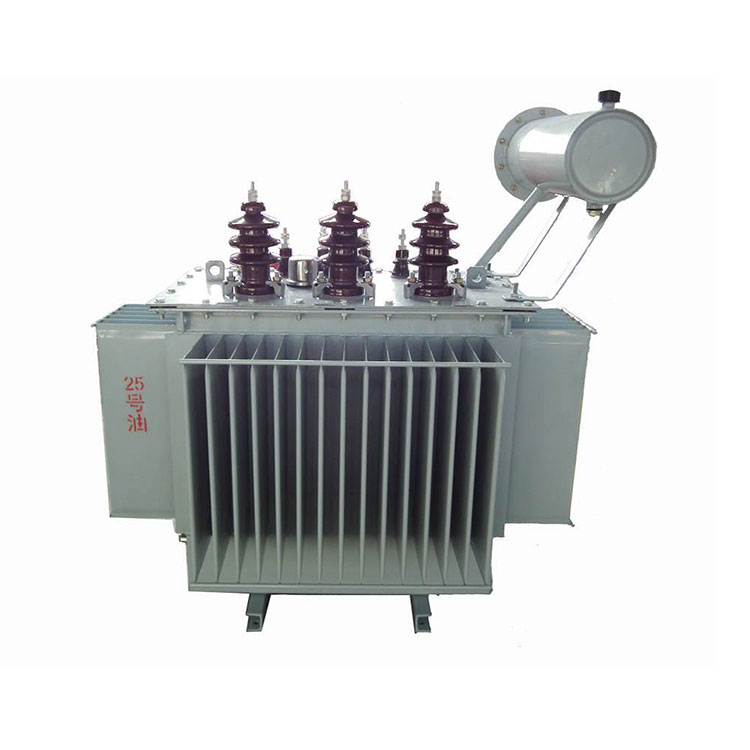
What Makes A Distribution Transformer So Important In A Power Project?
I consider a Distribution Transformer the final bridge between medium-voltage supply and daily electrical consumption. It steps voltage down to a practical level for factories, buildings, communities, agricultural facilities, charging stations, and other end-use systems. If this bridge is unstable, everything behind it becomes unstable as well.
In many purchasing discussions, buyers focus on switchgear, cables, cabinets, or protective devices first. Those components matter, of course, but the transformer carries a continuous thermal and electrical burden. It works for long hours, often under changing loads, weather influence, harmonic disturbance, and space limitations. A good transformer helps the whole system operate more quietly and predictably, while a weak one becomes a hidden cost center.
- It supports stable voltage for downstream equipment.
- It helps reduce transmission loss at the final distribution stage.
- It affects operating temperature, safety margin, and service life.
- It influences installation planning, maintenance access, and total project cost.
- It plays a direct role in energy efficiency and long-term power quality.
How Do I Know If A Distribution Transformer Fits My Real Load Conditions?
The first mistake I try to avoid is choosing a Distribution Transformer only by rated capacity. A 630 kVA transformer, for example, may be suitable for one project and unsuitable for another if the load pattern, peak demand, ambient temperature, and expansion plan are different. I usually start by asking how the site actually consumes electricity.
For a residential project, the load may rise during evening hours. For a workshop, the load may fluctuate with motors, welding equipment, compressors, or production lines. For a commercial building, air conditioning, elevators, lighting, and office equipment can create different daily peaks. In each case, the transformer should have enough capacity without forcing the buyer to pay for unnecessary oversizing.
| Selection Point | What I Check | Why It Matters |
|---|---|---|
| Rated Capacity | Current load, future expansion, and peak demand | Prevents overload while avoiding wasteful oversizing |
| Voltage Level | Medium-voltage input and low-voltage output requirements | Ensures the transformer matches the local distribution network |
| Installation Site | Indoor, outdoor, pole-mounted, pad-mounted, or substation layout | Affects enclosure, cooling, protection, and space planning |
| Efficiency | No-load loss, load loss, and long-term energy consumption | Reduces operating cost over the transformer’s service life |
| Operating Environment | Temperature, humidity, dust, altitude, and corrosion exposure | Improves safety and durability under real field conditions |
| Quality Testing | Routine factory tests and inspection before delivery | Helps reduce installation risk and early performance issues |
Which Transformer Features Help Me Reduce Long Term Operating Costs?
When I compare transformer options, I always separate purchase cost from ownership cost. A low initial price may look attractive, but if the transformer has higher losses, weaker short-circuit resistance, poor temperature control, or limited customization, the project may pay more later through energy waste and maintenance work.
A practical Distribution Transformer should be designed with efficiency, mechanical strength, insulation performance, and production consistency in mind. For many buyers, the most valuable product advantage is not a dramatic claim. It is the quiet confidence that the transformer can keep working under daily pressure.
- Efficient core and winding design can help lower no-load and load losses.
- Strong short-circuit resistance supports safer operation during fault conditions.
- Reliable insulation structure helps protect the transformer during long service cycles.
- Compact design can make installation easier in limited spaces.
- Stable temperature performance helps reduce aging risk and maintenance frequency.
- Customized engineering support makes it easier to match project-specific voltage, capacity, and layout requirements.
This is where a manufacturer’s production background matters. If a supplier understands transformer design, electrical testing, and project adaptation, I can communicate more clearly about capacity, voltage ratio, impedance, cooling method, installation method, and delivery expectations before the order moves forward.
Why Do I Prefer A Distribution Transformer Built Around Project Conditions?
I prefer a Distribution Transformer that is selected around the project rather than a project forced to adapt to a generic transformer. In real procurement, different buyers care about different outcomes. A utility buyer may focus on grid reliability and standard compliance. A factory owner may care about energy cost, production stability, and quick replacement. A contractor may care about installation schedule, drawing confirmation, and transport convenience.
For outdoor projects, weather resistance and enclosure suitability become important. For compact substations, the transformer must coordinate with switchgear, protection devices, and the enclosure layout. For industrial facilities, the transformer may need to handle more demanding load changes. For residential and commercial applications, low noise, stable voltage, and space efficiency often become stronger priorities.
I also look at whether the supplier can support communication before production. Drawings, technical parameters, testing plans, and packing details are not small things. They determine whether the transformer arrives ready for installation or creates delays at the project site.
How Can A Distribution Transformer Improve Reliability For Industrial And Commercial Users?
From my experience, reliability is not built by one feature. It comes from the combination of material control, engineering design, manufacturing discipline, and proper testing. A Distribution Transformer used in industrial or commercial power supply should handle continuous operation while maintaining stable electrical performance.
For factories, an unexpected transformer issue may stop equipment and delay production. For commercial buildings, unstable power can affect lighting, elevators, HVAC systems, and tenant operations. For infrastructure projects, transformer failure can create service pressure and public complaints. Because of that, I do not treat transformer procurement as a simple product purchase. I treat it as a risk-control decision.
- I check whether the transformer is suitable for the expected duty cycle.
- I review whether the design allows safe heat dissipation.
- I consider whether the transformer has enough margin for future load growth.
- I confirm whether the supplier can provide technical documentation clearly.
- I prefer factory-tested equipment that reduces uncertainty before shipment.
What Should I Ask Before Buying A Distribution Transformer?
Before I send an inquiry, I try to prepare the key project information. This makes communication faster and helps the supplier recommend a better solution. A professional inquiry does not need to be complicated, but it should include enough details to avoid wrong selection.
- What is the required rated capacity?
- What are the primary and secondary voltage levels?
- Will the transformer be installed indoors or outdoors?
- Is the project for a factory, building, substation, rural grid, or renewable energy site?
- Are there special requirements for loss level, impedance, temperature rise, or noise?
- Does the project need oil-immersed, dry-type, pole-mounted, or compact substation integration?
- What standards, drawings, or testing documents are required?
- Is there a target delivery time or packing requirement?
Once these questions are clear, the supplier can respond with a more accurate technical proposal instead of a vague quotation. This saves time for both sides and reduces the possibility of redesign or replacement later.
Do I See Value In Working With Conso Electrical Science And Technology Co., Ltd.?
Yes, especially when I need a transformer solution that connects manufacturing experience with practical project needs. Conso Electrical Science and Technology Co., Ltd. works in electrical distribution equipment, including transformers and related medium-voltage products. For buyers comparing suppliers, this broader product background can be helpful because transformer projects often involve more than one piece of equipment.
What I value most is the ability to discuss the Distribution Transformer as part of a complete distribution scenario. A buyer may need a transformer for a standalone application, or the transformer may be part of a compact substation, switchgear arrangement, or larger electrical supply system. When the manufacturer understands these connections, communication becomes more practical.
I would not choose a transformer only because a catalog says it is available. I would choose it because the technical parameters, production process, test control, and application fit all make sense together. That is the kind of buying logic that protects a project after installation, not just before payment.
Which Distribution Transformer Choice Gives Me More Confidence After Installation?
The best choice is the one that continues to make sense after the transformer is energized. I want a Distribution Transformer that supports stable output, reasonable energy consumption, suitable capacity, safe operation, and easy project coordination. I also want a supplier that can respond to technical questions instead of leaving the buyer to guess.
If I am preparing a new power distribution project, replacing aging equipment, upgrading a facility, or planning a compact substation, I would rather confirm the transformer solution carefully at the beginning than fix avoidable problems later. A well-selected transformer can help the project run more smoothly, reduce hidden costs, and give operators greater confidence in daily use.
If you are looking for a dependable Distribution Transformer for your electrical project, you can share your voltage, capacity, installation environment, and application details with Conso Electrical Science and Technology Co., Ltd. To get a suitable proposal, leave an inquiry today or contact us for technical support, product selection guidance, and project-based quotation assistance.