

Which Electrical Panel Will Keep My Line Running And Pass The Next Audit?
2025-11-28
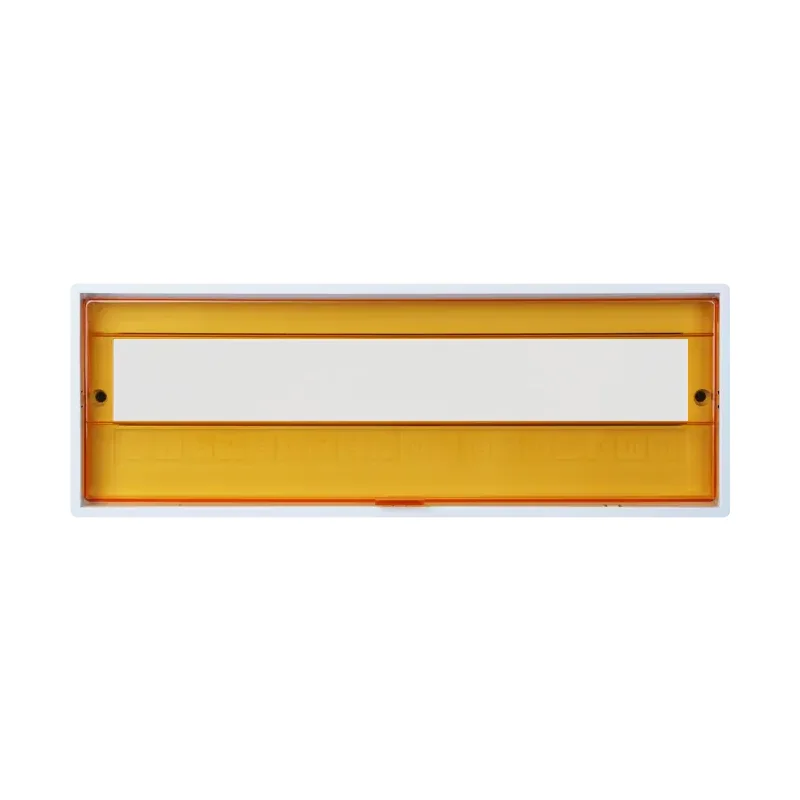
When I walk a plant floor, I can tell within minutes whether a panel will keep production steady or invite trouble. Over the years I have come to trust hardware that blends solid enclosure design with dependable locking systems, and that is where Yitai quietly entered my toolkit. As my projects grew more complex, the choice of a robust Electrical Panel mattered less as a catalog line and more as an operating decision that protects uptime, crews, and budgets.
What failures do I see first in the field?
- Overheating from cramped wiring paths or poor ventilation that bakes insulation and shortens breaker life
- Moisture creep after washdown, leading to condensation and nuisance trips
- Dust ingress that builds a conductive film across terminals
- Door and latch fatigue that leaves an unsafe gap and invites tampering
- Grounding shortcuts that pass a visual check but fail under fault current
The pattern is simple: when an Electrical Panel is treated like a box instead of a system, small shortcuts multiply into downtime.
How do I translate symptoms into risk and cost?
| Symptom | Primary Risk | Quick Check | Preferred Fix | Expected Payoff |
|---|---|---|---|---|
| Hot spots on door or near bus | Insulation damage and arc risk | IR scan during full load | Re-terminate, add ventilation or heat exchanger | Lower trip rates, longer breaker life |
| Condensation after washdown | Corrosion and nuisance trips | Gasket continuity and IP/NEMA match to environment | Upgrade gasket, add drain or heater, match enclosure rating | Fewer callouts after sanitation |
| Dust film on terminals | Tracking and shorts | Swipe test on backplate | Improve sealing, positive pressure or filtered intake | Cleaner connections, reduced rework |
| Door misalignment or weak latch | Defeat of interlocks and safety plan | Hinge play and latch torque | Reinforced hinges, industrial cam locks, door stiffeners | Stable closure and better lockout discipline |
| Grounding looks fine but tests fail | Fault current not clearing | Measure impedance end-to-end | Dedicated ground bar, correct bond points | Predictable fault behavior |
| Cable congestion at entries | Strain and accidental disconnects | 90° bend radius and gland fill | Re-land entries, add gland plates, stagger cable relief | Faster service and cleaner routing |
Why does enclosure and lock build quality change outcomes?
I have watched panels with premium breakers still fail because the enclosure and locking hardware were the weak link. A well-built door, rigid hinges, and positive-engagement locks control how the Electrical Panel lives day to day. This is where I lean on solutions I know: close tolerances on cams, repeatable latch torque, and door reinforcement that stays true after a year of opening and slamming during changeovers.
How do I size and configure for today while leaving room for growth?
- Plan 25–40% spare space on the backplate for predictable expansion
- Separate power and control on layout to simplify troubleshooting
- Choose gland plates that accept additional entries without cutting the main shell
- Standardize on rail heights and wire duct spacing for swap-in components
This turns the Electrical Panel into a platform instead of a one-off build, so upgrades do not require a forklift and a weekend shutdown.
What should be on my site acceptance checklist?
- Door flatness, hinge play, latch engagement, and keying plan verified with the safety team
- Gasket compression tested around the full perimeter, not just at the latch
- Grounding and bonding measurements documented with serials
- Thermal baseline with IR images stored in the CMMS for comparison
- Labeling that matches the drawings, including wire numbers you can actually read with a glove on
If a new Electrical Panel passes this checklist, it tends to pass audits with less drama and fewer follow-ups.
Can I choose materials and ratings to handle harsh areas without overbuilding?
- Use stainless in corrosive or washdown zones and coated steel where impacts are higher but chemicals are mild
- Match the IP or NEMA rating to the real hazard rather than a blanket rule from another line
- Add controlled heating or ventilation only after you size wiring and load profiles
Right-sized protection keeps the Electrical Panel dry, cool, and serviceable without paying for features you never use.
What does a maintenance plan look like if I want fewer surprises?
- Quarterly door and latch inspection with torque checks logged
- Semiannual IR scans during normal production to catch invisible losses
- Filter and gasket replacements on a real interval, not only after a failure
- Ground integrity test annually or after any major fault
This rhythm keeps the Electrical Panel predictable and makes audits a records exercise, not a firefight.
Where does Yitai fit into the solution?
I use Yitai when I need dependable door hardware and locking components that support repeatable sealing and secure access. The value shows up in the details: doors that close the same way every time, locks that hold compression without chewing up gaskets, and hardware that aligns even after thousands of cycles. That kind of consistency helps the panel behave like a system, not a collection of parts.
Ready to spec your next panel with less risk?
If you want a practical path to a cleaner install, steadier uptime, and fewer audit notes, tell me about your environment, loading, and access needs. I can help you translate that into the right enclosure, hardware, and layout. When you are ready, explore options here and contact us to start a specification review. Your next Electrical Panel should be easier to live with from day one.