

Why Amorphous Alloy Transformer Matters in Modern Power Distribution?
2026-01-08
Article Abstract
As global power systems face rising energy costs, stricter environmental expectations, and increasing load variability, traditional transformer solutions are being reevaluated. The Amorphous Alloy Transformer has emerged as a practical response to long-standing challenges such as high no-load losses, operational inefficiency, and long-term maintenance concerns. This article provides a comprehensive analysis of how this transformer technology works, the problems it solves, where it is best applied, and what decision-makers should consider before adoption. The content is designed to support engineers, utility planners, procurement managers, and industrial users seeking reliable, efficient, and future-ready power distribution solutions.
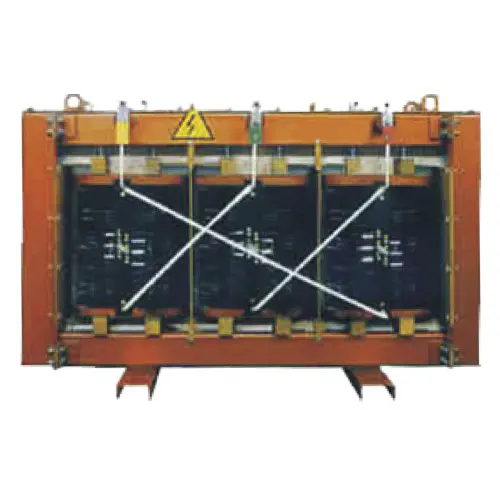
Table of Contents
- Understanding the Core Technology
- Key Customer Pain Points in Power Distribution
- How Amorphous Alloy Transformers Address These Challenges
- Technical Characteristics and Performance Overview
- Application Scenarios Across Industries
- Economic and Operational Considerations
- Comparison with Conventional Silicon Steel Transformers
- Selection Guidelines for Buyers
- Frequently Asked Questions
- Conclusion and Next Steps
Understanding the Core Technology
An Amorphous Alloy Transformer is distinguished primarily by its core material. Unlike conventional transformers that rely on crystalline silicon steel, this design uses an amorphous metal alloy with a disordered atomic structure. This structure significantly reduces magnetic domain resistance, which directly lowers hysteresis and eddy current losses.
Because the core loss occurs continuously whenever the transformer is energized, regardless of load, reducing this loss delivers measurable efficiency gains throughout the entire lifecycle. This characteristic is particularly valuable in distribution networks where transformers remain energized 24 hours a day.
Key Customer Pain Points in Power Distribution
Many power system operators and industrial users encounter recurring challenges when relying on traditional transformer technologies. These issues often impact operating costs, reliability, and compliance requirements.
- Excessive no-load energy losses during long idle periods
- Rising electricity costs driven by inefficient equipment
- Thermal stress caused by continuous magnetic losses
- Difficulty meeting modern energy efficiency standards
- Long-term maintenance and replacement expenses
Over time, these factors can significantly increase total ownership cost, even if initial procurement prices appear lower.
How Amorphous Alloy Transformers Address These Challenges
The fundamental advantage of the amorphous alloy core lies in its ability to minimize energy loss at the source. By reducing magnetic resistance, the transformer operates with lower excitation power, resulting in:
- Substantially reduced no-load losses
- Lower operating temperatures under continuous operation
- Improved long-term stability of insulation materials
- Consistent performance in fluctuating load environments
For utilities and facilities that operate large transformer fleets, these improvements accumulate into significant energy savings over time.
Technical Characteristics and Performance Overview
| Parameter | Typical Performance |
|---|---|
| Core Material | Amorphous metal alloy strip |
| No-load Loss | Up to 70% lower than conventional designs |
| Operating Temperature | Reduced thermal rise under continuous energization |
| Service Life | Extended due to lower thermal and magnetic stress |
| Noise Level | Lower core vibration compared to traditional cores |
Application Scenarios Across Industries
Amorphous Alloy Transformers are particularly well-suited for environments where equipment remains energized for extended periods, regardless of load variation.
- Urban and rural power distribution networks
- Renewable energy integration systems
- Industrial manufacturing facilities
- Commercial buildings and data centers
- Infrastructure and public utility projects
In these applications, reduced idle losses directly translate into improved operational efficiency and lower environmental impact.
Economic and Operational Considerations
Although amorphous alloy transformers typically involve a higher initial investment, lifecycle analysis often reveals a favorable cost balance. Reduced energy waste lowers utility expenses year after year, while cooler operating conditions reduce maintenance frequency.
For large-scale deployments, the cumulative savings achieved through loss reduction can exceed the initial cost difference, making this technology a strategic long-term investment rather than a short-term expense.
Comparison with Conventional Silicon Steel Transformers
| Aspect | Amorphous Alloy Transformer | Silicon Steel Transformer |
|---|---|---|
| No-load Loss | Very low | Relatively high |
| Energy Efficiency | Optimized for continuous operation | Moderate efficiency |
| Thermal Performance | Lower heat generation | Higher core temperature |
| Long-term Cost | Lower total ownership cost | Higher cumulative energy cost |
Selection Guidelines for Buyers
When evaluating whether an Amorphous Alloy Transformer is suitable, decision-makers should consider:
- Daily energization duration
- Local electricity pricing structure
- Load fluctuation patterns
- Regulatory and efficiency compliance requirements
- Expected service lifespan of the equipment
A clear understanding of these factors ensures that the selected transformer aligns with both operational needs and financial objectives.
Frequently Asked Questions
-
Is an amorphous alloy transformer suitable for low-load conditions?
Yes. Its low no-load loss makes it especially effective in applications where transformers remain energized with variable or light loads. -
Does this technology require special maintenance?
Maintenance requirements are similar to conventional transformers, though reduced thermal stress often extends service intervals. -
Can it be integrated into existing distribution systems?
In most cases, it can be directly integrated with minimal system modification, provided specifications are properly matched.
Conclusion and Next Steps
The Amorphous Alloy Transformer represents a mature and reliable solution to persistent inefficiencies in power distribution systems. By addressing energy loss at the core level, it offers tangible benefits in efficiency, durability, and long-term cost control. For organizations seeking to modernize infrastructure without compromising reliability, this technology delivers measurable value.
As an experienced manufacturer in this field, DAYA electrical provides tailored transformer solutions designed to meet diverse operational requirements. For detailed specifications, application support, or customized configurations, please feel free to contact us to explore how advanced transformer technology can support your power distribution goals.