

Why Choose a Step-Up Transformer for Stable and Efficient Power Conversion?
2025-12-08
A Step-Up Transformer plays a crucial role in modern electrical systems by elevating lower input voltages to higher, stable output levels.
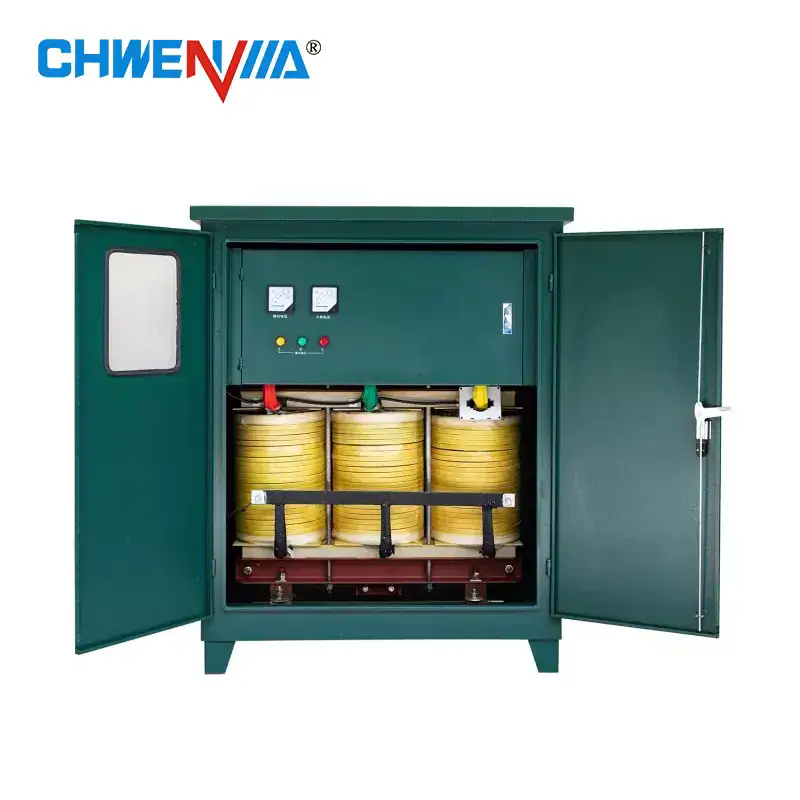
How Does a Step-Up Transformer Deliver Reliable Voltage Conversion?
A Step-Up Transformer increases voltage from a lower level to a higher level through electromagnetic induction. The device contains primary and secondary windings, where the secondary coil has more turns than the primary coil. When AC current passes through the primary coil, magnetic flux induces a higher voltage in the secondary coil.
For industries requiring stable high-voltage outputs—such as manufacturing, power distribution, renewable energy systems, laboratories, and overseas equipment adaptation—a Step-Up Transformer ensures consistent performance, reduced power loss, enhanced safety, and optimized energy utilization.
Key Product Parameters
The following table outlines the standardized specifications commonly associated with high-performance Step-Up Transformers designed for industrial and commercial applications:
| Parameter | Description / Specification |
|---|---|
| Input Voltage Range | 110V / 120V / 220V (custom options available) |
| Output Voltage | 220V / 230V / 240V |
| Power Capacity | 500W – 20,000W (varies by model) |
| Frequency | 50Hz / 60Hz compatible |
| Efficiency | 95% – 98% depending on load |
| Coil Material | 100% copper coil or copper–aluminum hybrid |
| Protection Features | Overload, overcurrent, temperature control, short-circuit protection |
| Cooling Method | Air-cooled or forced-fan cooling |
| Insulation Grade | Class B / Class F |
| Application Uses | Heavy machinery, medical equipment, precision electronics, industrial control systems |
These parameters define how effectively the transformer manages heat, prevents voltage fluctuations, and maintains long-term stability.
How Do Functionality and Design Features Improve Performance?
High-quality Step-Up Transformers offer not only voltage elevation but also value-added operational functions designed to enhance stability and safety in demanding environments. Several performance-enhancing factors influence how the device operates under varying load conditions and environmental circumstances.
Core Functional Advantages
A. High Conversion Efficiency
A transformer’s efficiency directly influences power consumption and operating costs. By using premium-grade copper windings and optimized magnetic cores, a Step-Up Transformer minimizes energy loss during conversion, improving output stability.
B. Heat Management System
Thermal buildup is a major cause of transformer failure. Enhanced cooling systems—either air-based or forced-fan—ensure prolonged usage under continuous load without overheating.
C. Broad Compatibility
Designed to support international voltage standards, Step-Up Transformers enable the safe operation of imported machinery and equipment across global markets.
D. Safety Protection System
Modern units integrate multiple protection layers:
-
Overcurrent shutdown
-
Overload detection
-
Over-temperature alarm
-
Short-circuit protection
These features significantly reduce fire hazards and equipment damage risk.
E. Noise Reduction and Stable Output
High-density coil structures and vibration-damping materials ensure low operational noise and minimal voltage ripple, essential for precision instruments and laboratory equipment.
How Is the Future of Step-Up Transformer Technology Evolving?
Market demand for Step-Up Transformers continues to grow alongside industrial automation, renewable energy adoption, and global equipment mobility. Several emerging trends point toward a technologically advanced future.
A. Intelligent Monitoring and Smart Control
IoT integration will allow real-time monitoring of performance data such as:
-
Load current
-
Temperature
-
Efficiency rates
-
Voltage fluctuations
Smart diagnostics will predict failures before they occur, improving operational continuity.
B. Enhanced Energy Efficiency Standards
Future transformers will utilize:
-
Nanocrystalline cores
-
High-purity copper
-
Advanced cooling algorithms
These improvements aim to reduce energy waste and comply with stricter global efficiency regulations.
C. Compact and Lightweight Design
Modern materials and optimized coil geometry allow for significant reductions in:
-
Weight
-
Size
-
Installation footprint
This trend is critical for portable or space-limited applications.
D. Expanded Compatibility for Renewable Energy Systems
As solar and wind systems grow, Step-Up Transformers will support:
-
Grid-tied conversion
-
Battery voltage balancing
-
Off-grid stabilization
Their role in clean energy infrastructure will continue to strengthen.
What Are the Most Common Questions About Step-Up Transformers?
Below are two frequently asked questions that appear in product research, purchasing decisions, and user setup scenarios.
Q1: How should the correct wattage capacity be chosen for a Step-Up Transformer?
A: Selecting the proper wattage requires calculating the total power consumption of all connected devices, then adding a safety margin of 20%–30% to handle power surges. For example, if a device consumes 1000W, a transformer rated at 1300W or higher is recommended. This margin prevents overheating, extends equipment lifespan, and supports stable performance under peak load conditions.
Q2: Why does a Step-Up Transformer need overload and over-temperature protection?
A: Overload protection prevents the transformer from drawing more power than its design allows, which could trigger internal coil damage or voltage collapse. Over-temperature protection monitors heat accumulation; when temperatures exceed safe thresholds, it automatically shuts down the system to prevent fires, insulation damage, or permanent component failure. These protections ensure safe, long-term operation in both industrial and household environments.
Why Do Leading Industries Rely on High-Quality Step-Up Transformers?
A Step-Up Transformer plays an essential role in stabilizing voltage, optimizing energy usage, and protecting sensitive equipment. Its advanced safety systems, high conversion efficiency, and durable construction make it indispensable across manufacturing facilities, laboratories, renewable energy systems, and global power conversion applications.
As technology progresses, innovations such as IoT monitoring, nanocrystalline cores, and compact architecture will continue to elevate the transformer’s performance and reliability. Businesses seeking dependable and long-lasting power solutions consistently choose manufacturers with proven craftsmanship and strict quality control.
Among these manufacturers, Wenma stands out for producing precision-engineered Step-Up Transformers built to meet international standards with dependable long-term durability.
If additional product details, technical parameters, or customization options are needed, contact us for tailored support and professional guidance.