

Why Is a Galvanized Steel Distribution Box Enclosure Essential for Reliable Electrical Protection?
2026-10-10
Electrical distribution systems require dependable protection to maintain safe, stable, and efficient operation. From commercial buildings and industrial facilities to power distribution projects, the enclosure surrounding electrical components plays a vital role in protecting equipment from environmental exposure and physical damage. A Galvanized Steel Distribution Box Enclosure combines the structural strength of steel with the corrosion-resistant properties of a zinc coating, making it a practical choice for many electrical installations. For buyers seeking durability, cost efficiency, and flexible application options, selecting the right enclosure can help reduce maintenance requirements and support long-term system reliability.
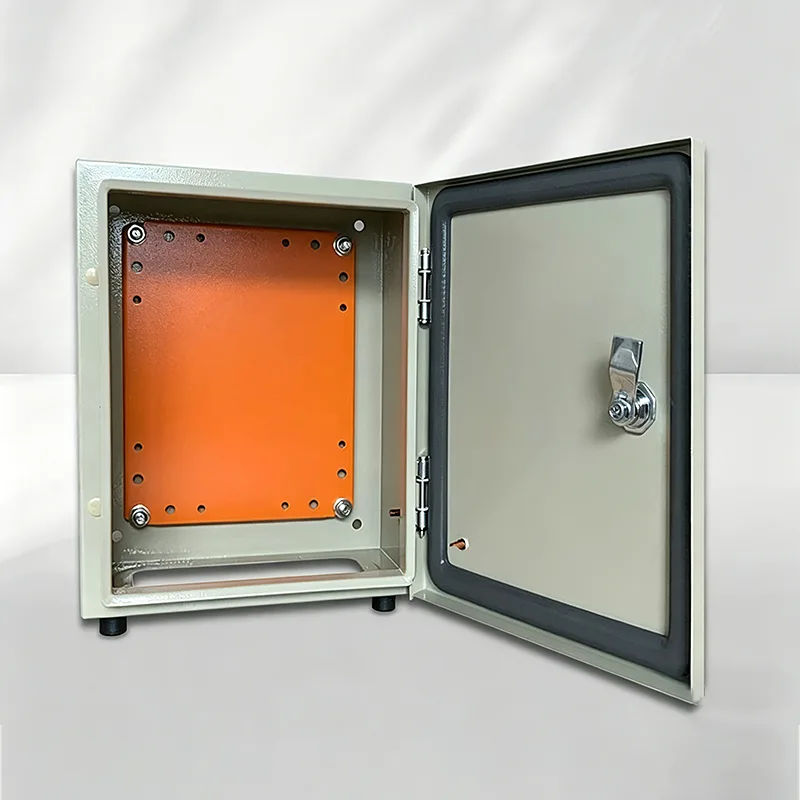
1. What Makes a Galvanized Steel Distribution Box Enclosure Different?
A galvanized steel distribution box enclosure is a protective housing manufactured from steel coated with zinc. This coating helps prevent corrosion by creating a barrier between the steel substrate and the surrounding environment. Zinc can also provide sacrificial protection against corrosion when minor surface damage occurs.
Unlike unprotected steel enclosures, galvanized models offer additional resistance to rust and environmental wear. Their rigid structure also helps protect internal electrical components from accidental impacts and everyday operating conditions.
Key Features and Benefits
-
Corrosion resistance: The zinc coating helps slow rust formation in humid and moderately corrosive environments.
-
Mechanical strength: Steel construction provides structural stability for electrical components and mounting accessories.
-
Practical cost control: Galvanized steel offers a balance between protective performance and material cost.
-
Flexible fabrication: Different dimensions, mounting arrangements, openings, and door configurations can be specified according to project requirements.
-
Maintenance convenience: A durable surface and well-designed enclosure can reduce the need for frequent repairs and replacement.
The actual performance depends on the steel grade, zinc coating, fabrication quality, finishing process, and installation environment.
2. Why Is Corrosion Protection Important for Electrical Distribution Boxes?
Electrical enclosures are often exposed to humidity, airborne contaminants, temperature changes, and handling during installation. Without appropriate protection, corrosion can weaken the enclosure, damage its finish, and complicate maintenance.
A Galvanized Steel Distribution Box Enclosure helps address these risks through two complementary mechanisms.
First, the zinc layer acts as a physical barrier that limits direct contact between the steel and corrosive elements. Second, zinc can corrode preferentially to the underlying steel when small areas become exposed, providing sacrificial protection under suitable conditions.
These properties make galvanized steel suitable for many indoor industrial environments, commercial installations, utility facilities, and selected outdoor applications.
However, highly saline coastal locations, aggressive chemical environments, and continuously wet conditions may require additional coatings or alternative materials. Appropriate material selection should always reflect the actual operating environment.
3. How Does the Enclosure Improve Electrical System Safety and Performance?
An electrical distribution box enclosure does more than cover wires and components. Its design influences equipment protection, installation efficiency, accessibility, and maintenance.
Physical Protection for Internal Components
Circuit breakers, terminals, busbars, and other electrical devices need a suitable housing to reduce exposure to accidental contact, impact, dust, and environmental contaminants. A properly designed enclosure provides a physical boundary around these components and supports organized installation.
Better Installation and Maintenance
A practical enclosure design allows technicians to access electrical components when inspection, troubleshooting, or replacement is necessary. Appropriate mounting plates, door arrangements, cable entry points, and internal clearances can simplify installation and reduce unnecessary modification work.
Support for Long-Term Reliability
By helping protect internal components from external damage, the enclosure contributes to the overall reliability of the electrical distribution system. Its effectiveness, however, depends on the complete design, including seals, cable glands, grounding arrangements, ventilation, and correct installation.
An enclosure should never be assumed to provide a particular level of dust or water protection solely because it is made from galvanized steel. Any required IP rating must be verified for the complete assembled configuration.
4. Where Can Galvanized Steel Distribution Box Enclosures Be Used?
Their combination of structural strength, corrosion protection, and fabrication flexibility makes galvanized steel enclosures suitable for a wide range of applications.
| Application | Typical Function | Main Consideration |
|---|---|---|
| Commercial buildings | Housing distribution and protective devices | Space efficiency and accessibility |
| Industrial facilities | Protecting control and power distribution components | Mechanical strength and operating conditions |
| Infrastructure projects | Supporting electrical distribution installations | Environmental exposure and serviceability |
| Solar power systems | Housing selected distribution or control equipment | Weather protection and thermal management |
| Utility installations | Protecting electrical connections and equipment | Corrosion resistance and installation requirements |
For outdoor projects, buyers should pay particular attention to rain protection, sealing performance, temperature fluctuations, and UV exposure affecting nonmetallic accessories. Where water ingress is a concern, the enclosure's doors, gaskets, seams, and cable entries must be designed and validated as a complete system.
5. Which Specifications Should Buyers Evaluate Before Purchasing?
Choosing the right enclosure requires more than comparing dimensions and unit prices. A clear specification helps prevent installation problems and unnecessary procurement costs.
Consider the following factors before placing an order:
-
Material and coating: Confirm the steel specification, galvanizing method, and coating requirements.
-
Dimensions and thickness: Ensure that the enclosure provides sufficient space and structural support for the intended equipment.
-
Protection requirements: Define the necessary IP rating or other applicable enclosure requirements based on the installation environment.
-
Mounting and cable entry: Specify mounting plates, holes, cable glands, cutouts, and access arrangements.
-
Thermal management: Assess internal heat generation and determine whether ventilation or other cooling measures are required.
-
Finish and appearance: Consider powder coating, color requirements, and additional surface protection where appropriate.
-
Quality inspection: Check dimensional accuracy, coating consistency, workmanship, door alignment, and sealing details.
Providing drawings, quantities, operating conditions, and required standards during the quotation stage helps suppliers evaluate the project more accurately.
6. How Does Galvanized Steel Compare with Other Enclosure Materials?
Different materials suit different environments. Galvanized steel is not universally superior, but it can provide a practical balance of durability and cost for many general-purpose applications.
| Material | Main Advantage | Potential Limitation |
|---|---|---|
| Galvanized steel | Strong structure and zinc-based corrosion protection | May need additional protection in aggressive environments |
| Painted carbon steel | Flexible finishing and economical fabrication | Protection depends heavily on coating integrity |
| Stainless steel | Strong corrosion resistance in many demanding environments | Generally higher material cost |
| Plastic | Lightweight and electrically insulating | Mechanical performance depends on material and design |
For many commercial and industrial projects, galvanized steel offers an effective middle ground between structural performance and purchasing cost. For marine, chemical, or hygiene-sensitive applications, stainless steel or a specialized protective system may be more appropriate.
7. Why Choose Jiaxing Qijia Imp&Exp Co., Ltd. for Your Enclosure Requirements?
Selecting a suitable supplier is an important part of electrical equipment procurement. Buyers need clear specifications, consistent product quality, and solutions that match their installation requirements.
Jiaxing Qijia Imp&Exp Co., Ltd. can be introduced as a sourcing contact for buyers exploring galvanized steel distribution box enclosure solutions. When evaluating a potential order, purchasers should confirm available sizes, material specifications, coating options, customization capabilities, production lead times, and applicable quality documentation.
For project-based purchasing, clearly communicating the intended application and technical requirements can help establish a more suitable product configuration and reduce avoidable changes during production or installation.
A well-selected enclosure supports more than equipment protection. It also contributes to efficient installation, manageable maintenance, and dependable electrical infrastructure over its service life.
Conclusion
A Galvanized Steel Distribution Box Enclosure is a practical solution for electrical distribution projects that require structural strength, corrosion protection, and adaptable design. Its zinc coating helps protect the underlying steel, while its rigid construction provides a dependable housing for electrical components. By evaluating environmental conditions, dimensions, coating specifications, sealing requirements, and installation details, buyers can select an enclosure that meets their operational needs and budget.
Jiaxing Qijia Imp&Exp Co., Ltd. welcomes inquiries from buyers seeking suitable enclosure solutions for commercial, industrial, and infrastructure projects. Contact us to discuss your project requirements, explore available specifications, and request a quotation for your next electrical enclosure procurement project.