

Why is Regular Oil Analysis Critical for Power Transformers
2025-12-15
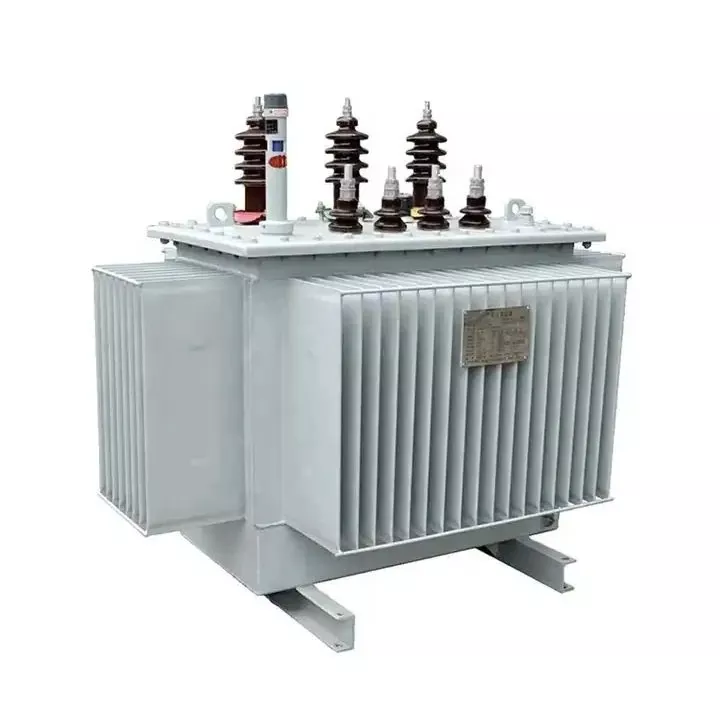
For any facility relying on an Oil Immersed Transformer, proactive maintenance isn't just an option—it's a necessity for reliability and safety. At the heart of this preventive strategy lies a powerful diagnostic tool: regular transformer oil analysis. Think of the insulating oil as the lifeblood of your power transformer; its condition reveals the complete health story of the unit. LUGAO understands that consistent oil testing is the most cost-effective way to prevent catastrophic failures, extend asset life, and ensure operational continuity. Our advanced LUGAO transformers are engineered for durability, but their longevity depends on a disciplined analysis regimen.
A comprehensive oil analysis program monitors key parameters that signal developing issues:
-
Dielectric Strength: Indicates the oil's ability to withstand electrical stress.
-
Acid Number (Neutralization Value): Measures acidic by-products from oil degradation, which corrode internal components.
-
Water Content: Even minor moisture contamination severely compromises insulation integrity.
-
Dissolved Gas Analysis (DGA): The most critical test. It detects and quantifies gases (like Hydrogen, Methane, Ethylene) generated by internal faults such as arcing, overheating, or partial discharge.
Typical Oil Analysis Parameters and Their Implications
| Parameter | Test Method | Warning Indicator | Potential Issue in Transformer |
|---|---|---|---|
| Dielectric Strength | ASTM D877/D1816 | < 30 kV | Moisture ingress, particle contamination |
| Acid Number | ASTM D974 | > 0.2 mg KOH/g | Oil oxidation, active paper insulation aging |
| Water Content | ASTM D1533 | > 25 ppm (for 69kV systems) | Reduced dielectric strength, paper degradation |
| Dissolved Gas Analysis | IEC 60567 | Specific gas ratios & totals | Overheating, arcing, partial discharge faults |
Oil Immersed Transformer FAQ
Q: How often should oil analysis be performed on an Oil Immersed Transformer?
A: For critical power transformers, annual testing is a baseline. New units should be tested after installation and within the first year. After a fault or before returning to service, analysis is mandatory. LUGAO recommends a risk-based schedule, increasing frequency for older units or those operating under heavy load cycles.
Q: Can oil analysis predict imminent transformer failure?
A: Absolutely. Dissolved Gas Analysis (DGA) is particularly predictive. By tracking the types, quantities, and generation rates of dissolved gases, experts can identify developing thermal and electrical faults—such as winding hotspots or arcing—weeks or even months before they cause an outage.
Q: What actions result from a poor oil analysis report?
A: Findings dictate the response. High moisture may trigger vacuum drying. Elevated acids could lead to oil reclamation or replacement. Specific DGA patterns necessitate internal inspection, load reduction, or immediate planning for replacement. Using LUGAO-certified oil and components ensures compatibility during any remedial process.
Regular oil analysis is a small investment that safeguards your large capital investment in Oil Immersed Transformer assets. It transforms maintenance from a reactive cost-center into a strategic, predictive operation. Don't wait for a failure to look inside your transformer; let the oil tell its story first.
Protect your critical infrastructure with data-driven insights. Contact the LUGAO engineering support team today to schedule a consultation or to learn about our tailored transformer monitoring and oil analysis partnership programs.