

Why Is the Compound Switch Becoming a Key Component for High-Reliability Electrical Systems?
2025-12-05
A compound switch is engineered to deliver stable, safe, and efficient switching performance across demanding electrical environments. It integrates multi-layered conductive and insulating materials to achieve enhanced durability, extended lifecycle, and consistent electrical contact.
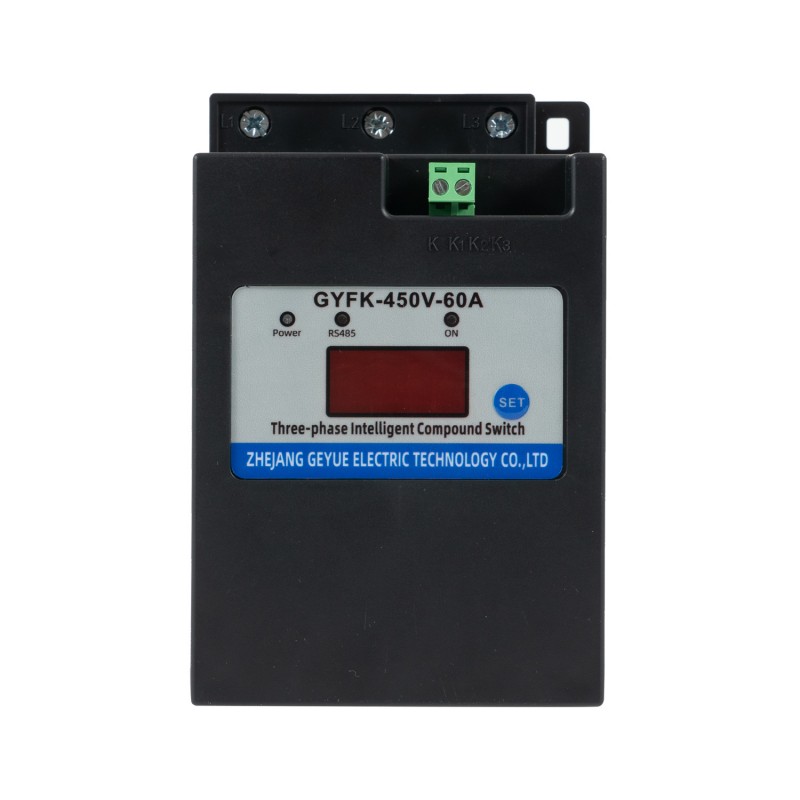
A compound switch enhances electrical stability by optimizing conductive pathways, heat dissipation, and mechanical endurance. Its internal architecture balances contact pressure, switching torque, and insulation strength to maintain consistent current flow even in harsh conditions. Unlike standard switches, a compound switch uses composite materials that reduce arcing, resist oxidation, and minimize wear over repeated cycles.
These engineered materials allow the switch to maintain a stable connection with minimal voltage drop. In systems that require continuous operation—such as industrial controllers, communication equipment, and precision automation—a compound switch mitigates electrical noise and improves the reliability of the overall circuit.
Key Technical Parameters
Below is a summary of representative product parameters commonly used in high-performance compound switches:
| Parameter | Specification Range | Technical Notes |
|---|---|---|
| Rated Voltage | 12V–600V | Supports both low-voltage and high-voltage systems |
| Rated Current | 1A–200A | Configurable for consumer, industrial, and automotive uses |
| Contact Resistance | ≤ 50mΩ | Ensures stable conduction and reduced energy loss |
| Insulation Resistance | ≥ 100MΩ | Enhances safety and prevents leakage under high humidity |
| Operating Temperature | -40°C to +125°C | Suitable for outdoor and high-heat environments |
| Mechanical Lifespan | 50,000–1,000,000 cycles | Supports long-term repetitive switching |
| Material Composition | Composite polymer + alloy contact | Provides resistance to corrosion and mechanical deformation |
These parameters highlight how compound switches achieve precise control, reduced failure rates, and stable current delivery, making them vital in applications where reliability is a priority.
How Do the Functional Advantages of a Compound Switch Influence System Performance?
The performance advantages of a compound switch directly impact system efficiency, longevity, and safety. By optimizing switching mechanisms and material composition, it provides measurable improvements compared to traditional single-material switches.
Improved Electrical Conductivity
The use of advanced alloy contacts reduces resistance and prevents micro-sparking, resulting in cleaner electrical delivery. This ensures that sensitive electronics receive stable power without fluctuations.
Enhanced Heat Management
Compound structures distribute thermal load more evenly. This prevents overheating in high-current environments, reducing the risk of thermal fatigue and electrical failures.
Long-Term Mechanical Durability
The combination of reinforced polymers and alloy materials enables repetitive mechanical use without degradation. This makes the compound switch ideal for heavy-cycle applications such as automated production lines.
Greater Safety Under Harsh Conditions
Resistance to corrosion, moisture, and dust ensures uninterrupted function. Even under high humidity or outdoor installation, insulation reliability remains intact.
Noise and Vibration Reduction
The compound body dampens physical vibration, reducing operational noise and protecting internal components.
Together, these advantages demonstrate how the compound switch strengthens system performance, reduces maintenance costs, and supports high-precision environments where downtime is unacceptable.
How Are Industries Applying Compound Switches to Achieve Higher Efficiency?
Across sectors, compound switches support applications that demand stability, long lifecycle, and stable electrical delivery.
Industrial Automation
Automated machinery requires continuous electrical switching for sensors, actuators, and controllers. Compound switches withstand rapid cycling without performance degradation, ensuring uninterrupted production.
Telecommunications
Stable, low-resistance switching prevents signal interruption in communication equipment. This makes the compound switch useful for antennas, data centers, and transmission modules.
Automotive and EV Systems
Electric vehicles rely on switches that endure high temperatures, vibration, and heavy currents. The compound switch provides consistent performance for motor control, battery management, and entertainment systems.
Renewable Energy Infrastructure
Wind turbines, solar inverters, and energy storage units operate in outdoor conditions. Compound switches maintain insulation strength and prevent moisture-related failures.
Consumer Electronics
In household devices, compound switches ensure smooth tactile response and long-term reliability. Their stable electrical contact prevents device malfunction caused by oxidation or dust accumulation.
Through these applications, industries leverage compound switches to optimize system reliability, maintain energy efficiency, and reduce operational risks.
How Will Compound Switch Technology Evolve in the Future?
As electrical systems continue advancing, compound switch technology is expected to evolve in several key directions.
Higher Energy Efficiency
Future designs will aim to reduce contact resistance even further, improving energy conservation and reducing heat loss.
Integration with Smart Control Systems
Compound switches will be used in combination with intelligent monitoring modules, enabling automated detection of wear, temperature anomalies, and switching frequency.
Use of Environmentally Friendly Materials
As sustainability becomes a priority, compound switches will incorporate recyclable polymers and low-impact alloys.
Miniaturization for Compact Electronics
Growing demand for compact, multifunctional devices will push manufacturers to develop smaller yet more powerful switch designs.
Increased Durability for Extreme Conditions
Advances in composite science will lead to switches capable of withstanding extreme temperatures, corrosive environments, and heavy vibration without performance loss.
These trends indicate that compound switches will continue to grow in importance as industries depend more on reliable, long-lasting components.
Common Questions About Compound Switches
Q1: How does a compound switch maintain stable performance over long-term use?
A compound switch maintains stability through its composite structure, which combines metal contacts for conduction and reinforced polymers for insulation and mechanical strength. This combination reduces wear, prevents oxidation, and minimizes heat accumulation, allowing it to perform consistently across thousands of switching cycles.
Q2: What factors determine the lifespan of a compound switch?
The lifespan is influenced by contact material quality, environmental exposure, switching frequency, heat management, and assembly precision. When high-grade alloys and durable composite materials are used, the switch can exceed several hundred thousand cycles without performance degradation, making it ideal for applications requiring long-term reliability.
The compound switch plays a pivotal role in modern electrical systems by enhancing stability, safety, and long-term performance. With its optimized conductive pathways, durable composite construction, and adaptability across industries—from automotive systems to industrial automation—it provides a level of reliability that traditional switches cannot match. As technology continues advancing, demand for high-quality compound switches is expected to grow, driven by needs for greater energy efficiency, smart integration, and extended operational lifespan.
Geyue continues to focus on delivering precision-engineered compound switches built with advanced materials and optimized structural design. For detailed specifications, customized solutions, or technical support, contact us to explore how Geyue can support your project’s requirements.