

Why is the Mobile Phone Display Stand becoming a must-have for modern retail and home use?
2025-10-24
In a world where mobile devices dominate both our personal and commercial environments, the demand for effective display and support solutions has never been higher. The Mobile Phone Display Stand offers a practical, ergonomic and aesthetic way to showcase, charge, secure and use smartphones in a variety of settings.
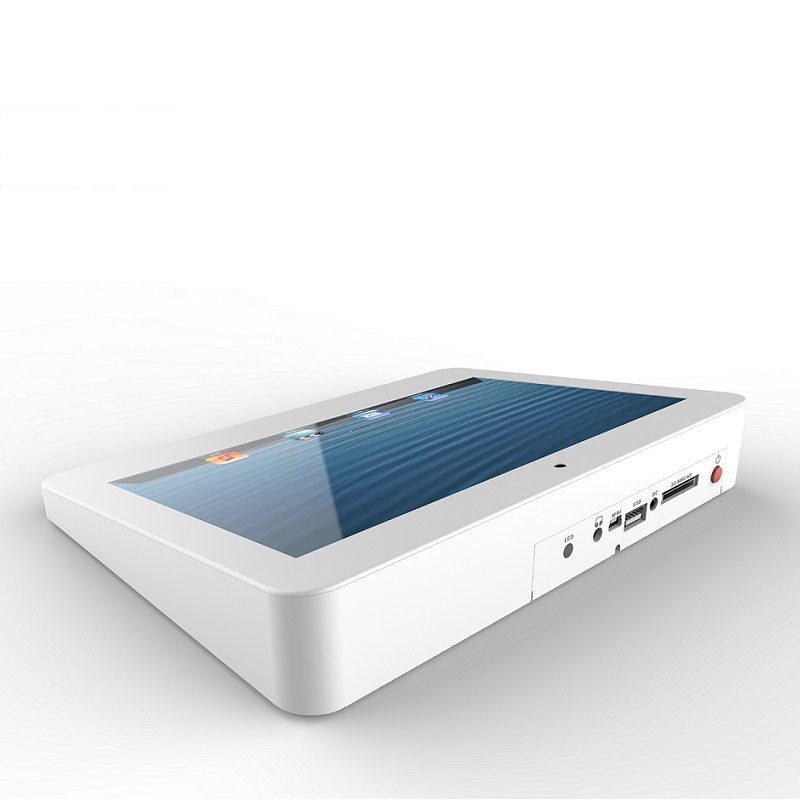
What is a Mobile Phone Display Stand?
What: The definition and key features
A Mobile Phone Display Stand is a fixture or accessory designed to hold a smartphone in a stable upright or angled position for viewing, charging, demonstration or display. It can be used on desktop surfaces, retail counters, exhibition stands or as part of point-of-sale installations.
Key functional aspects include:
-
Stable base and angled support to allow comfortable viewing of screen content (videos, demos, calls)
-
Secure hold or mounting (e.g., cradle, clip, magnet, adjustable arms)
-
Compatible with charging cables or built-in charging features
-
Suitable materials (metal/aluminium, plastic, acrylic, wood) and finishes to match environment
-
Optional features for retail/security environments: anti-theft alarms, lock mechanisms, modular display platforms
Why: Importance and value
There are several reasons why such display stands are becoming essential:
-
Retailers and showrooms: with smartphones often on display for customers to try, a stand allows optimal viewing angle, while also enabling security or charging integration. Market research shows that the global market for mobile phone stand devices is projected to grow significantly.
-
Ergonomic and usability benefits: for home or office use, a stand elevates the phone to a comfortable view height, improves posture, reduces strain and allows hands-free use during calls, video chats, streaming or productivity tasks.
-
Aesthetic and branding considerations: a well-designed stand complements modern device aesthetics and can reinforce brand presentation (especially in retail environments).
-
Trend alignment: The broader mobile accessories market is evolving toward multi-functional, sustainable, smart design stands—so investing in a high-quality phone display stand aligns with future accessory trends.
How: Typical deployment scenarios
-
Retail display: Mounting multiple phones on stands across a counter, allowing customers to pick up and inspect devices, while the stand provides security (if anti-theft built-in) and charging.
-
Home/office desktop: Using a stand beside the computer so the phone screen is at eye-level for notifications or video calls.
-
Exhibition or trade-show booth: Using stands that can highlight new models or features, often integrated with signage or lighting.
-
Multimedia use: Using the stand to prop the phone for video streaming, gaming, or digital signage applications.
Technical Specifications
Below is a representative specification table for a quality mobile phone display stand suitable for versatile use:
| Parameter | Value/Specification |
|---|---|
| Material | Aluminium alloy + ABS plastic base |
| Dimensions (HxWxD) | 160 mm × 80 mm × 120 mm |
| Phone Support Size | Width: 65-90 mm (fits most 5″-7″ smartphones) |
| Viewing Angle | Adjustable: 0° to 60° tilt |
| Base Type | Weighted base with non-slip rubber feet |
| Charging Integration | Cable slot or USB-C pass-through optional |
| Security Option | Lock-in cradle or alarm-tether option |
| Finish | Brushed aluminium / black matte / clear acrylic |
This table gives a clear idea of what to look for in a premium stand offering both functional and aesthetic benefits.
Why the Mobile Phone Display Stand is trending now
What: Market drivers and trends
Several key market drivers are pushing the adoption and evolution of mobile phone display stands:
-
The global stand/accessory market: The market for mobile phone stands and holders is growing strongly. For example, the mobile phone stand market size was valued at USD 2.81 billion in 2024 and is expected to grow with a compound annual growth rate (CAGR) of around 7.2% to 2032.
-
Security-display demand: For retail display environments especially, the subset of mobile phone security display stands is experiencing robust growth, driven by smartphone proliferation and the need for secure display solutions.
-
Accessory innovation: Trends such as eco-friendly materials, smart features (wireless charging, magnetic mounting, adaptive grips) and modular designs are influencing the stand accessory market.
Why: Why this matters for retailers, home users and brands
-
Retailers: The stand enables phones to be displayed attractively and securely, facilitating user engagement and trial while protecting product. This helps conversion and brand presentation.
-
Home/office consumers: As remote working, video conferencing and content consumption increase, a stable phone stand enhances ergonomics, ease of use and aesthetics for desk setups.
-
Brands and manufacturers: Offering or recommending high-quality stands adds value to device ecosystems, creates accessory sales opportunities and strengthens brand perception.
-
Sustainability and smart design: As consumer awareness of materials and functionality grows, stands made with recyclable materials or featuring built-in charging are more attractive.
How: Real-world implications and best practices
-
Retail layout optimization: Use modular stands that can be reconfigured quickly, integrate cable management and optionally security tethers. Combine with lighting for highlight displays.
-
Home workspace design: Position the stand within line-of-sight of the user, ensure cable routing is clean, choose a tilt angle to avoid glare and reduce neck strain.
-
Brand packaging & promotion: Highlight stand compatibility with device models, mention adjustability, material choice, and integrate as part of the accessory ecosystem.
-
Future-proofing: Look for stands that accommodate evolving device sizes and functionalities (e.g., foldables, larger screens) so the accessory does not become obsolete quickly.
How to select and use a Mobile Phone Display Stand
What: Key considerations when selecting a stand
When choosing a mobile phone display stand, the following criteria should be considered:
-
Compatibility with phone size and weight: Ensure the stand supports the width and thickness of current and future devices.
-
Stability and materials: A weighted base and anti-slip feet help prevent tipping; materials should be durable and visually appropriate.
-
Adjustability: The ability to tilt, rotate or height-adjust improves versatility (e.g., for video calls vs browsing).
-
Charging and cable management: Ensure the stand supports cable routing or includes wireless-charging integration.
-
Aesthetic and branding alignment: The finish, color and design should align with environment (retail, home office, event).
-
Extra features for display context: For retail, anti-theft capabilities, locking mechanisms, secure cable management; for home, perhaps minimal footprint and premium finish.
-
Future-proofing: With evolving phone form-factors (foldables, larger displays) and accessory trends (wireless charging, magnets), pick stands that remain relevant.
Why: Why each selection criterion matters
-
If the stand is unstable or incompatible, the phone may tip or appear unprofessional in a retail setting—risking damage or negative user perception.
-
A non-adjustable stand may force undesirable viewing angles, causing user discomfort or reducing the phone’s perceived performance.
-
Poor cable management or lack of charging options reduces convenience, especially for demonstration or constant-use scenarios.
-
In retail display, lacking security features may expose devices to theft or damage.
-
If the visual design of the stand clashes with the environment or brand, the display may look inconsistent or cheap, reducing brand value.
-
Choosing a stand that becomes obsolete with device changes wastes investment; future-proofing helps extend usable life.
How: Steps to deploy and use effectively
-
Measure device and surface – Ensure phone width/weight and surface stability are acceptable for the stand.
-
Positioning – Place the stand at eye-level or slightly below for ergonomic viewing. For desktops, place to the side of primary monitor to reduce neck strain; for retail counters, face the customer zone.
-
Secure cable management – Route charging cables unobtrusively through or behind the stand so they don’t interfere with display aesthetics or user experience.
-
Adjust viewing angle – Set the tilt/angle to optimize for the primary usage: ~25-35° for browsing, ~45° for video calls.
-
Maintain clean and branded look – For retail: Keep the stand clean, align with store lighting, ensure locks/tethers (if any) are discreet yet secure. For home: Choose finishes that match desk décor, keep cables tidy.
-
Monitor usage and feedback – In retail, track how often stands are used or adjusted, and ensure the stands are durable under high-traffic. At home or office, observe if the stand improves posture or device usage comfort.
-
Upgrade when needed – If device sizes or usage habits change (e.g., new model with larger screen or wireless charging), consider upgrading to a stand with added features (e.g., wireless charging pad, magnetic mount).
Frequently Asked Questions
Q: Can a mobile phone display stand support large smartphones or foldables?
A: Yes, many high-quality stands are designed to accommodate wider and heavier devices, often specifying support for widths of 65-90 mm and weights up to around 300 g or more (depending on design). It is important to check manufacturer specifications to confirm compatibility with foldables or extra-wide phones.
Q: Does the stand interfere with wireless charging or device sensors?
A: In well-designed stands, charging cables are routed to allow connection to the phone without obstruction, and wireless charging stands include an embedded charging pad at the correct alignment. Some stands use magnetic or metal materials, so it is important to verify that the materials and design do not block wireless charging coils or interfere with sensors (e.g., for face recognition or proximity).
What the future holds for Mobile Phone Display Stands
What: Emerging trends and innovations
-
Smart integration: Accessory trends indicate an increasing number of stands will incorporate smart features such as adaptive grips, voice-activated adjustment, wireless charging and sensor-based security.
-
Eco-friendly materials: Demand is growing for stands made with recycled plastics, aluminium and biodegradable or low-impact materials in line with sustainability priorities.
-
Customisation and modularity: Stands designed for flexibility in tilt, rotation, device size and even branded aesthetic modules are becoming more common.
-
Retail experience integration: In-store display stands will increasingly integrate digital signage, sensors to track interactions, anti-theft mechanisms and charging stations — turning the stand into part of the broader retail ecosystem.
-
Hybrid usage environments: With mobile usage continuing to expand across home, office, retail and exhibitions, stands will be designed for multi-context deployment — e.g., adjustable for desktop use and removable for travel or event booths.
-
Enhanced user experience: For consumers, stands will evolve to offer seamless switching from viewing to phone-to-desktop hubs, wireless connectivity, and ergonomic design improvements tied to remote work and content creation use cases.
Why: Why this future matters
-
Accessory differentiation: As smartphones converge in performance, accessories like display stands become differentiators in user experience and brand ecosystem.
-
Retail competitiveness: In a showroom or store, display solutions that offer charging, security and flexibility provide an edge in customer engagement.
-
Sustainability alignment: Brands and consumers alike are increasingly aligning purchases with environmental values — stands made of eco-materials can be a selling point.
-
Multi-use efficiency: With devices used for work, play and communication more than ever, a stand that transitions seamlessly between roles (office, content creation, home leisure) adds value.
-
Investment protection: Future-ready stands reduce the need for frequent replacement and help companies or individuals get better value over time.
How: How to prepare and capitalise on future trends
-
For retailers and brands: Incorporate stands that support charging, movement tracking and modular upgrades, so you can respond to evolving device form-factors and user behaviour.
-
For accessory manufacturers: Focus on material innovation (recycled aluminium, sustainable plastics), smart features (wireless charging, magnetics, adaptable grips) and modular design that works across contexts.
-
For consumers/home users: When purchasing a stand consider not only current device dimensions but also future devices (e.g., foldables, larger screens). Look for stands that offer upgradeable or modular features, wireless charging and aesthetic longevity.
-
For workplace/office environments: As remote/hybrid work persists, investing in a premium stand that enhances ergonomics and integrates seamlessly with desk setups (monitor arms, dual screens) becomes more justified.
-
For trade-shows/exhibitions: Use display stands that can quickly adapt to different devices, integrate signage or lighting, and feature cable-free wireless charging to reduce setup complexity.
Closing & Brand Mention
A high-quality Mobile Phone Display Stand is no longer just an optional accessory—it has become a strategic part of how smartphones are presented, used and integrated into both retail and personal environments. With parameters such as weight-balanced bases, adjustable viewing angles, cable management, device compatibility and future-ready design, the right stand can elevate the user experience and support long-term value. The trends toward sustainability, smart integration and modular functionality further underline the importance of selecting a stand that meets both current and emerging needs. The Pyetsi offers a range of stands designed with these features in mind—combining high-grade materials, ergonomic design and future-proof compatibility. For more information or to explore the product range, please contact us.